en
en English
 中文简体
中文简体 Español
 Deutsch
Fresh salads are no longer served only inside restaurants. More cafés, supermarkets, and takeaway businesses now prepare meals that travel across town before reaching the customer. As delivery becomes part of everyday dining, food packaging is being evaluated in a different way. Businesses are paying closer attention to how containers perform from the kitchen to the dining table instead of looking only at appearance.
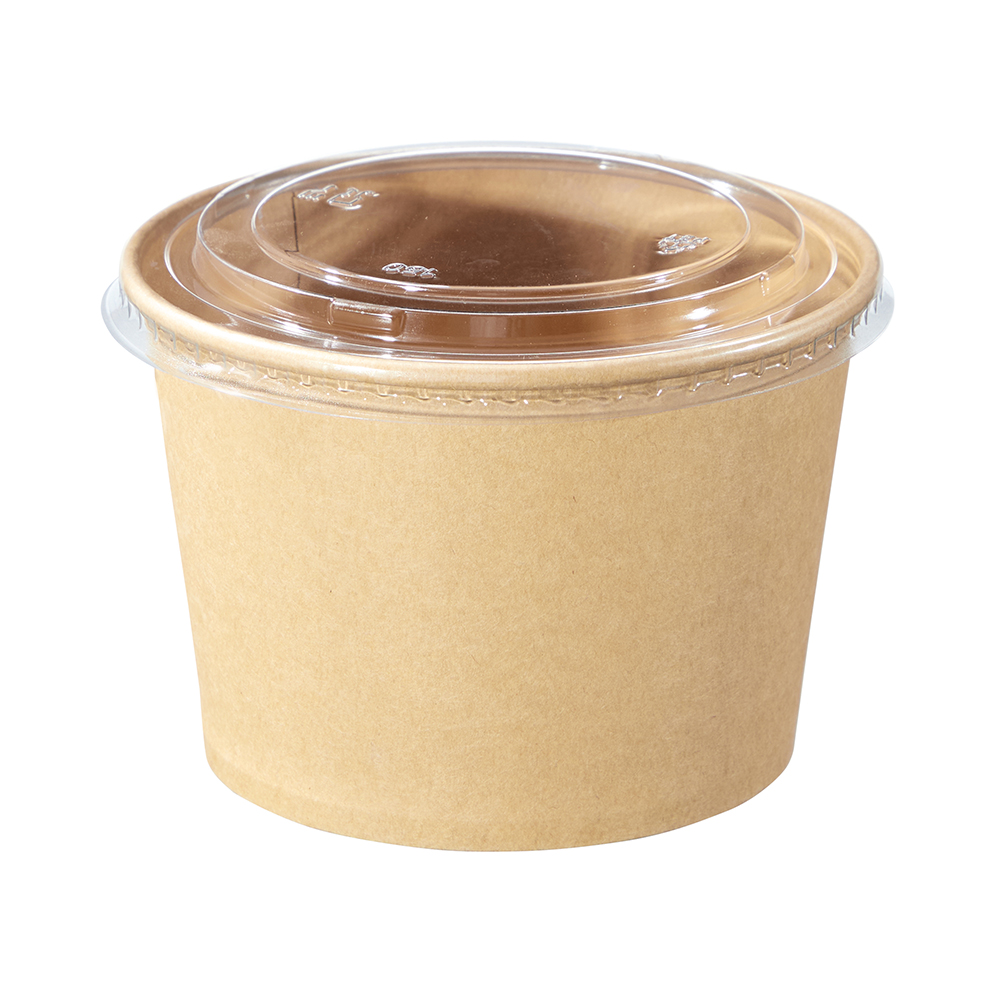
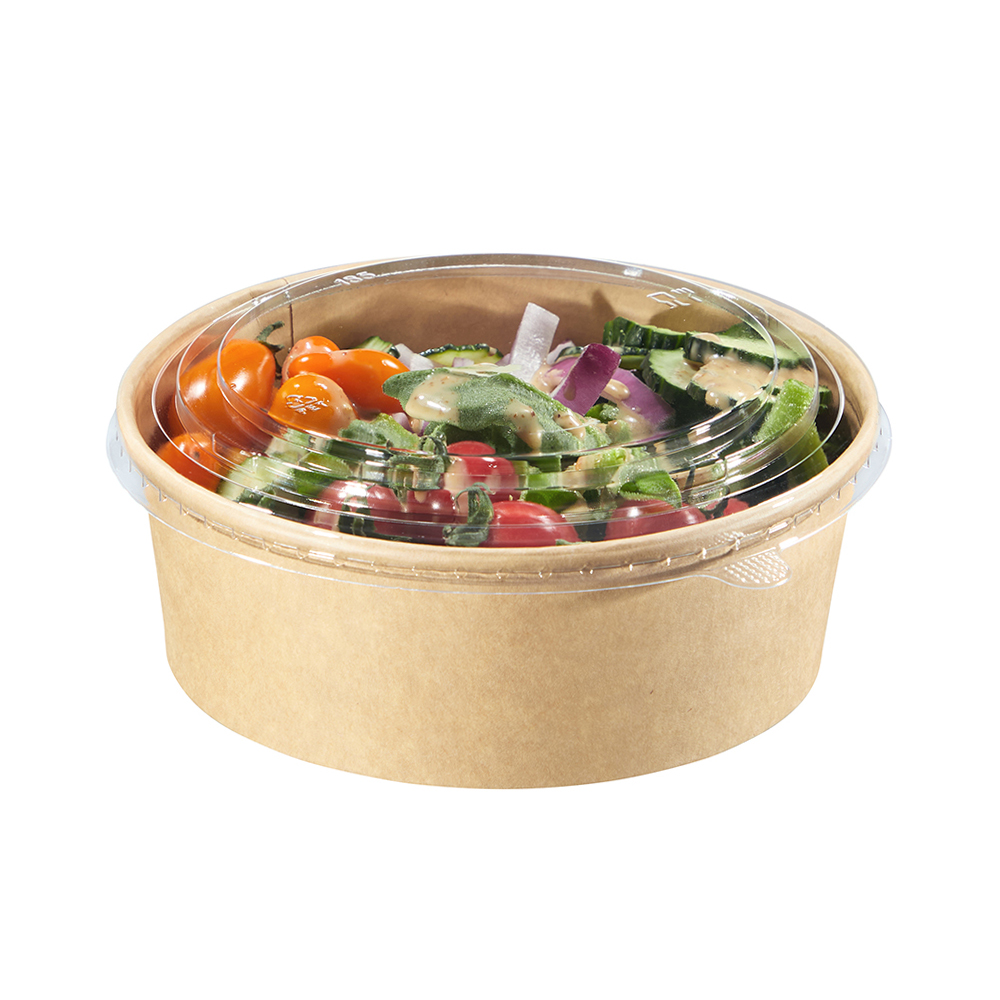
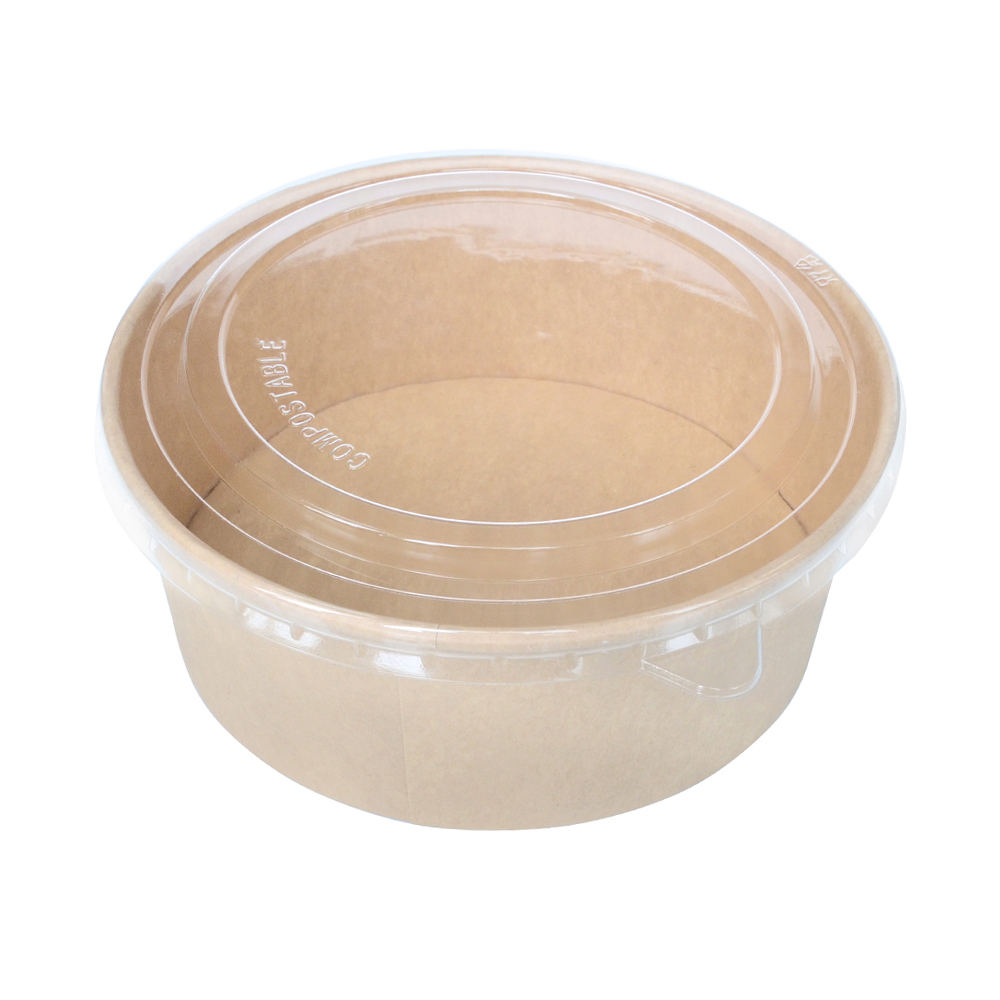
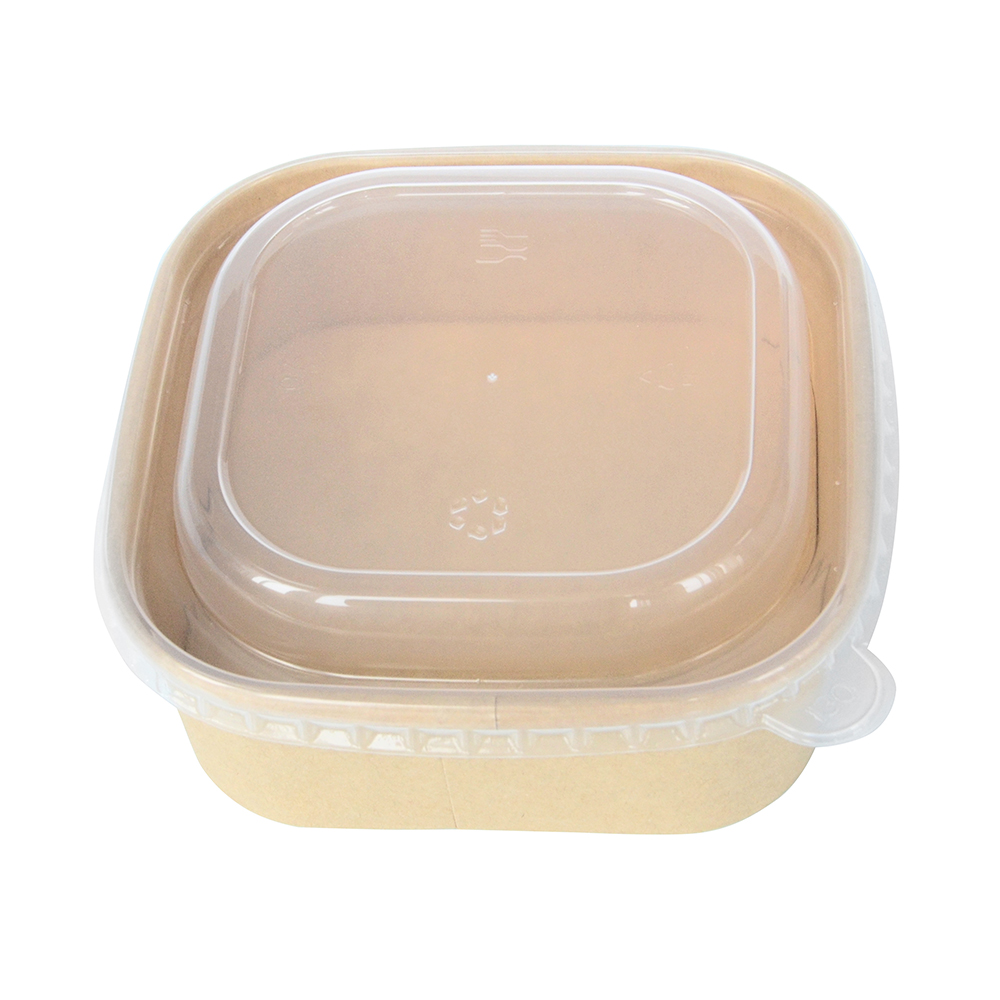
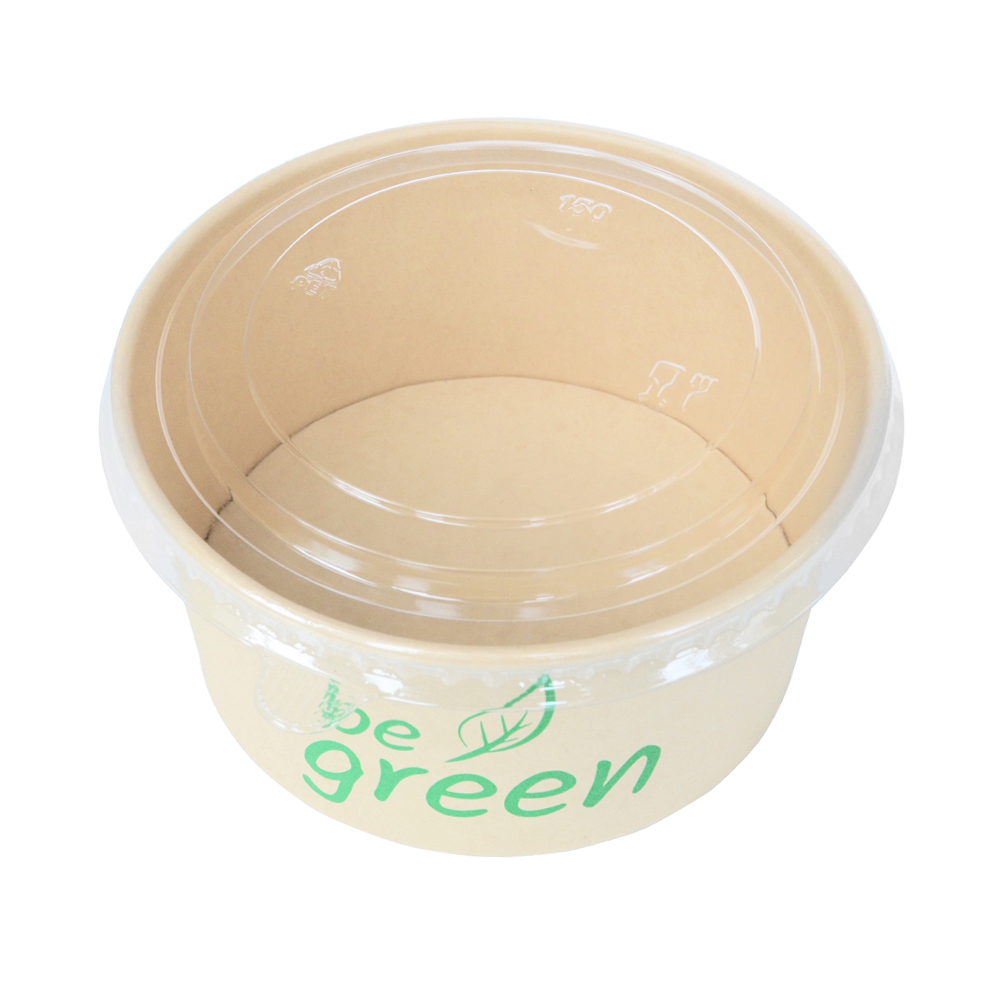
Within this trend, the kraft salad bowl with lid has become a common choice for cold meals, grain bowls, and ready-to-eat salads. At the same time, the paper salad bowl is increasingly discussed as businesses look for packaging that fits changing takeaway and delivery habits.
The Journey Begins Before Delivery
A prepared salad rarely goes straight to the customer.
It may spend several minutes at the preparation counter.
Then it moves to a collection shelf.
Next comes transportation.
Finally, it reaches the customer after another waiting period.
Each stage places different demands on the packaging.
Because of this, many food businesses evaluate a kraft salad bowl with lid according to the entire delivery process rather than the moment it leaves the kitchen.
Packaging Now Supports Food Presentation
Customers often open takeaway meals at home or in the office.
The impression is no longer created by restaurant tableware.
It comes from the packaging itself.
Fresh vegetables, grains, and toppings are expected to remain neatly arranged during transport.
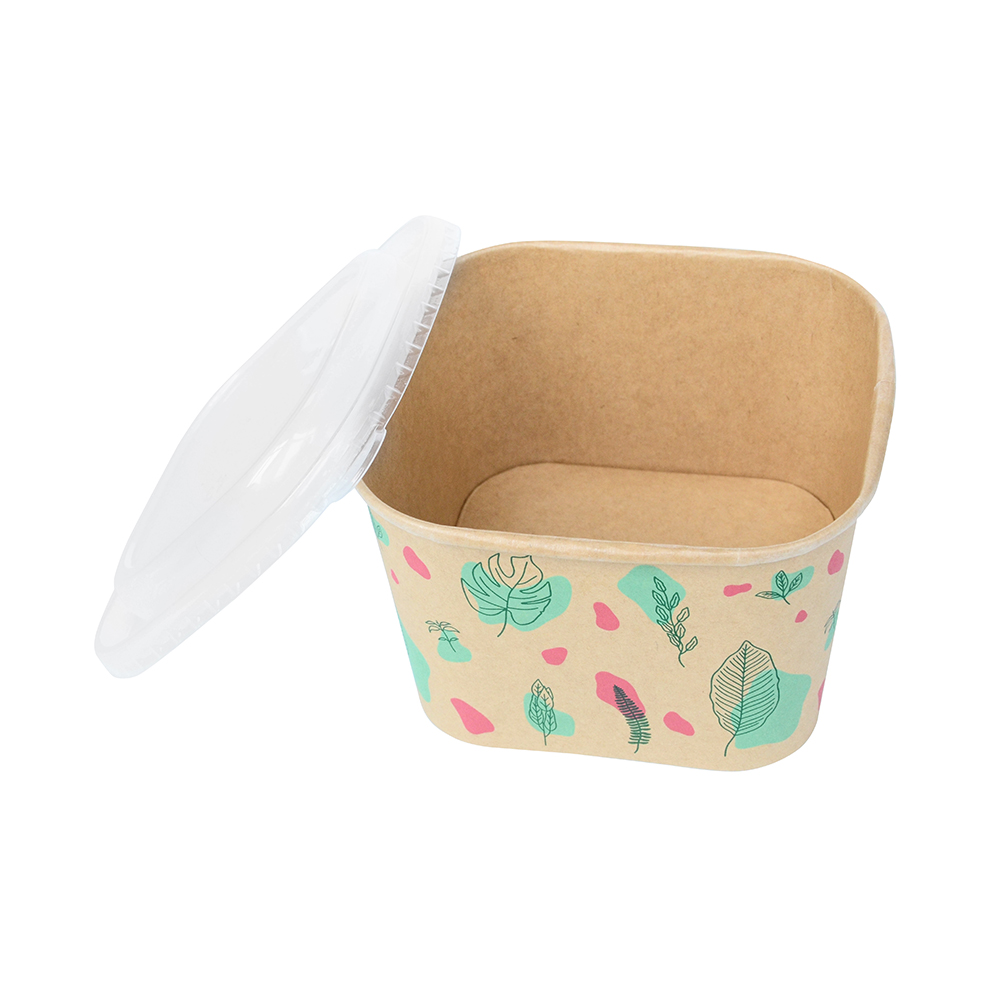
For this reason, cafés increasingly compare different paper salad bowl designs when planning takeaway menus.
The goal is to deliver a meal that looks as carefully prepared as it did before leaving the kitchen.
Different Menus Require Different Packaging
Not every salad is prepared in the same way.
Some include warm ingredients.
Others contain fruit, pasta, or grains.
Portion size also varies from one menu to another.
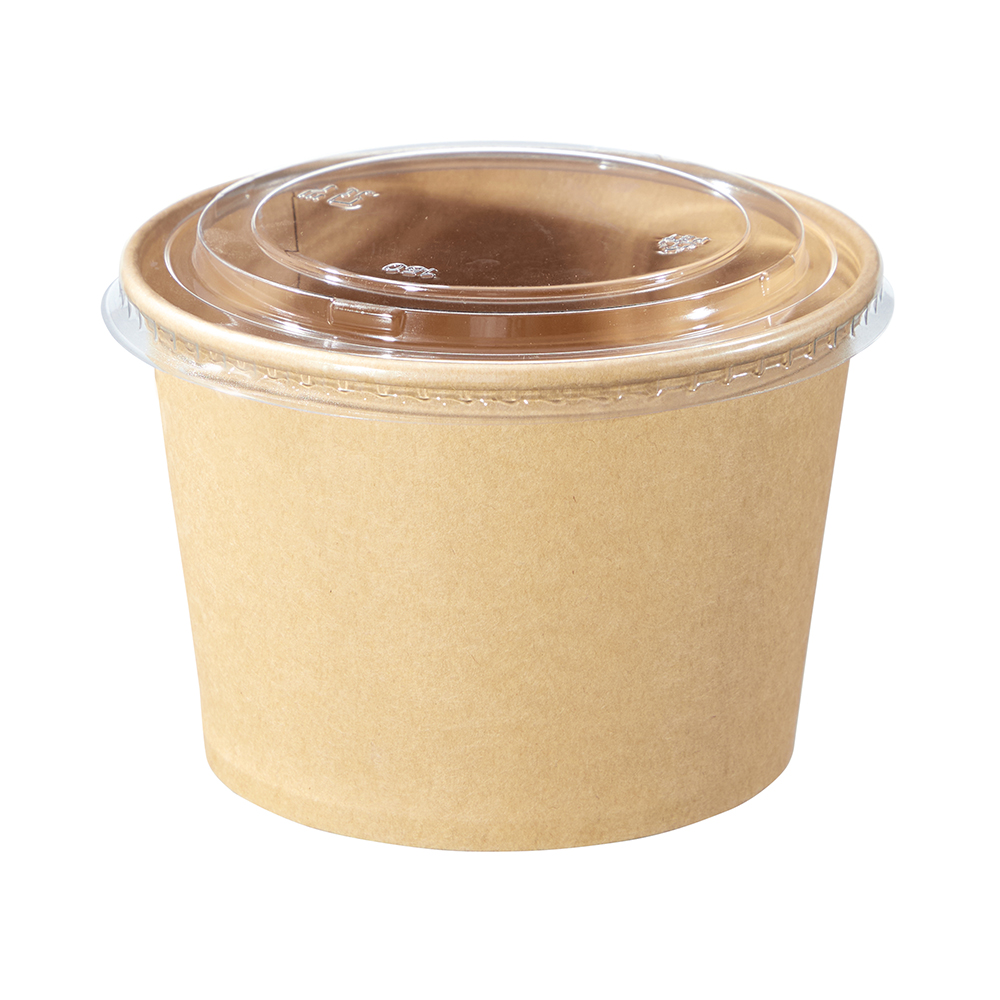
These differences influence how businesses select a kraft salad bowl with lid.
Instead of using one container for every dish, many restaurants match packaging to the characteristics of each menu item, making food preparation and delivery easier to manage.
Meal Preparation Has Expanded Beyond Restaurants
Prepared meals are becoming common in supermarkets, office cafés, and convenience stores.
Many customers purchase lunch hours before eating it.
Others prepare meals in advance for the following day.
This shift has increased interest in packaging that works throughout storage, transport, and serving.
As a result, the kraft salad bowl with lid is appearing in a wider range of food service environments than traditional takeaway outlets alone.
Daily Operations Influence Packaging Choices
Restaurant managers often review more than material specifications.
They also consider how packaging fits into daily operations.
Is it easy to stack?
Can staff prepare orders efficiently?
Does it fit existing shelving?
These practical questions have encouraged many businesses to compare paper salad bowl options according to workflow as well as appearance.
Packaging has become part of kitchen organisation instead of remaining only a serving container.
Packaging Continues To Evolve With Food Service
Takeaway dining has changed how prepared meals are presented, transported, and enjoyed.
Containers are expected to support convenience while fitting naturally into modern food service operations.
Within this changing market, the kraft salad bowl with lid is becoming part of a broader conversation about meal preparation, delivery, and customer experience.
As restaurants and retailers continue refining their takeaway services, the paper salad bowl is increasingly evaluated not only by its material, but also by how well it supports food quality throughout the complete journey from kitchen to customer.