en
en English
 中文简体
中文简体 Español
 Deutsch
The demand for convenient, sustainable, and functional single-use food packaging is visibly shifting, with the paper salad bowl emerging as a prominent choice for restaurants, cafes, and grocery chains. This evolution responds to increasing regulatory pressure on traditional plastics and a growing consumer preference for environmentally conscious alternatives. The paper salad bowl represents a practical attempt to balance the needs of durability, food safety, and compostability in the fresh food sector.
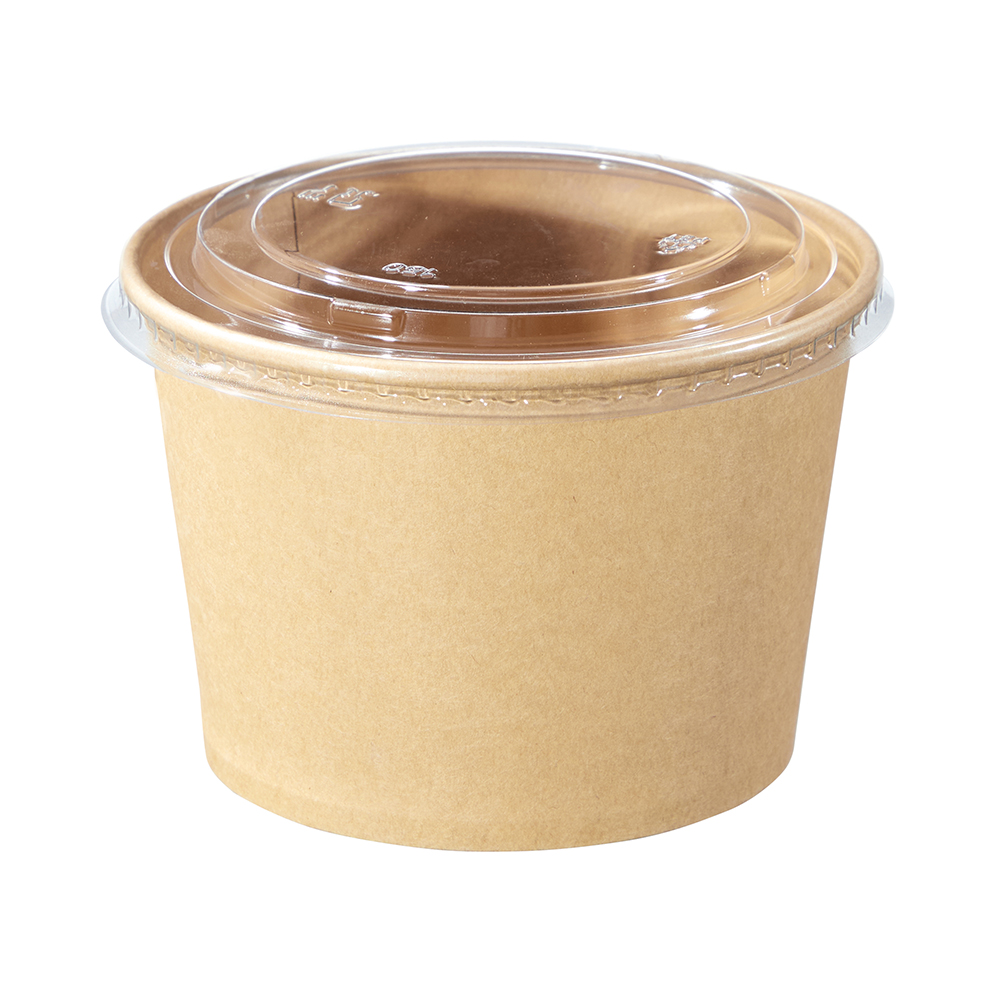
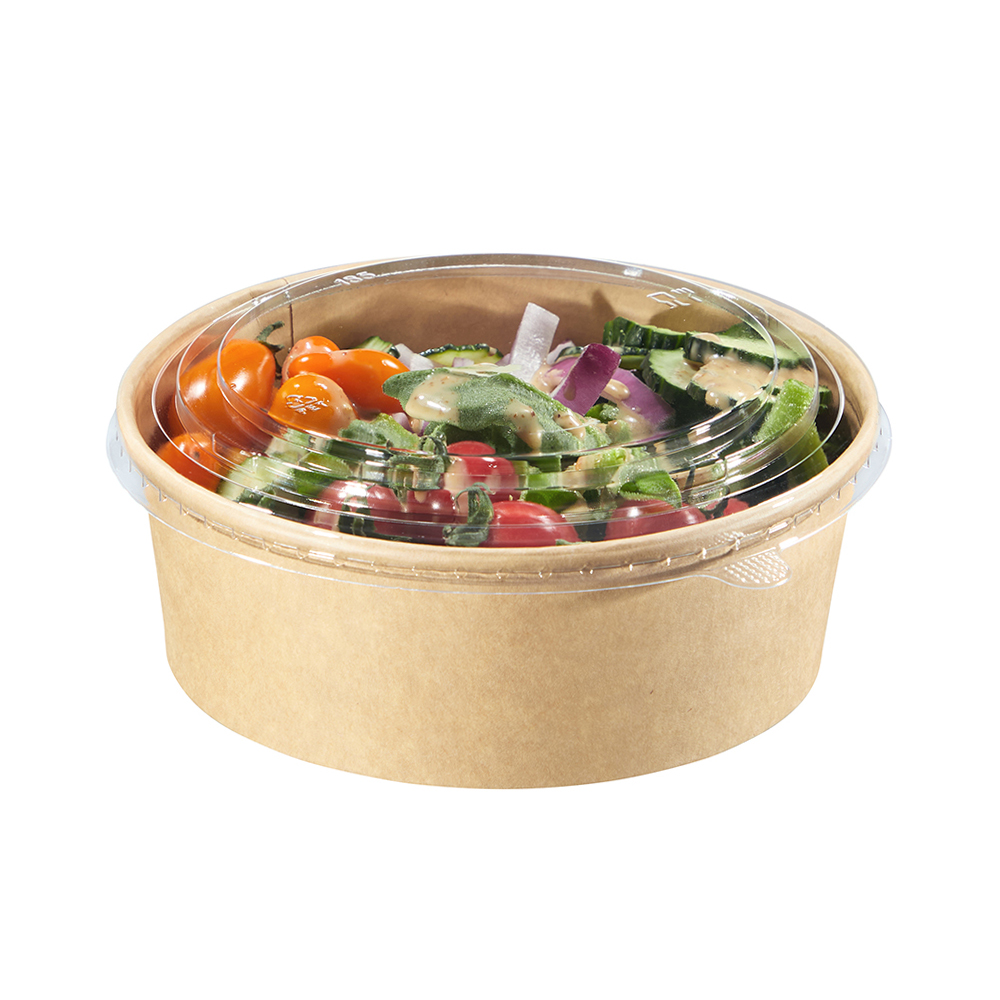
Constructed primarily from molded pulp or sturdy paperboard, a typical paper salad bowl is designed to hold both dry and moist ingredients without becoming soggy or losing its structural integrity. Modern manufacturing processes often include a thin, food-safe barrier coating, sometimes derived from plant-based materials, to prevent oil and dressing from penetrating the paper fibers. This technical development is crucial, as it allows the paper salad bowl to perform effectively with a wide variety of salad compositions, from simple leafy greens to grain-based salads with dressings, without compromising the user experience.
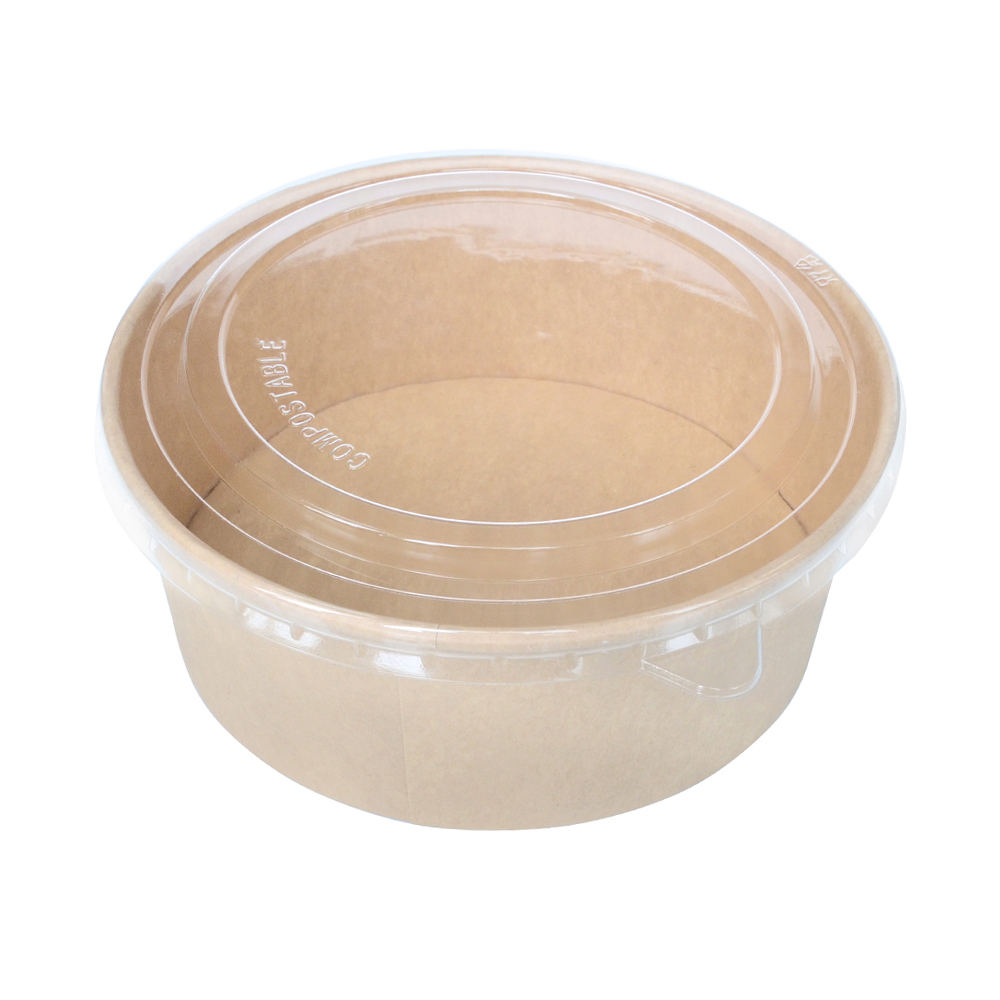
The environmental narrative is a primary driver behind the adoption of the paper salad bowl. In a market moving away from petroleum-based plastics, paper offers a perceived advantage: it is sourced from renewable materials and is widely considered compostable under the right conditions. Many products are marketed as industrially compostable, aligning with municipal food waste programs in certain regions. The lifecycle of a paper salad bowl, from production to potential composting, presents a compelling story for businesses aiming to reduce their plastic footprint and appeal to eco-aware customers. This positions the paper salad bowl as more than just a container; it is a visible statement of a brand's sustainability values.
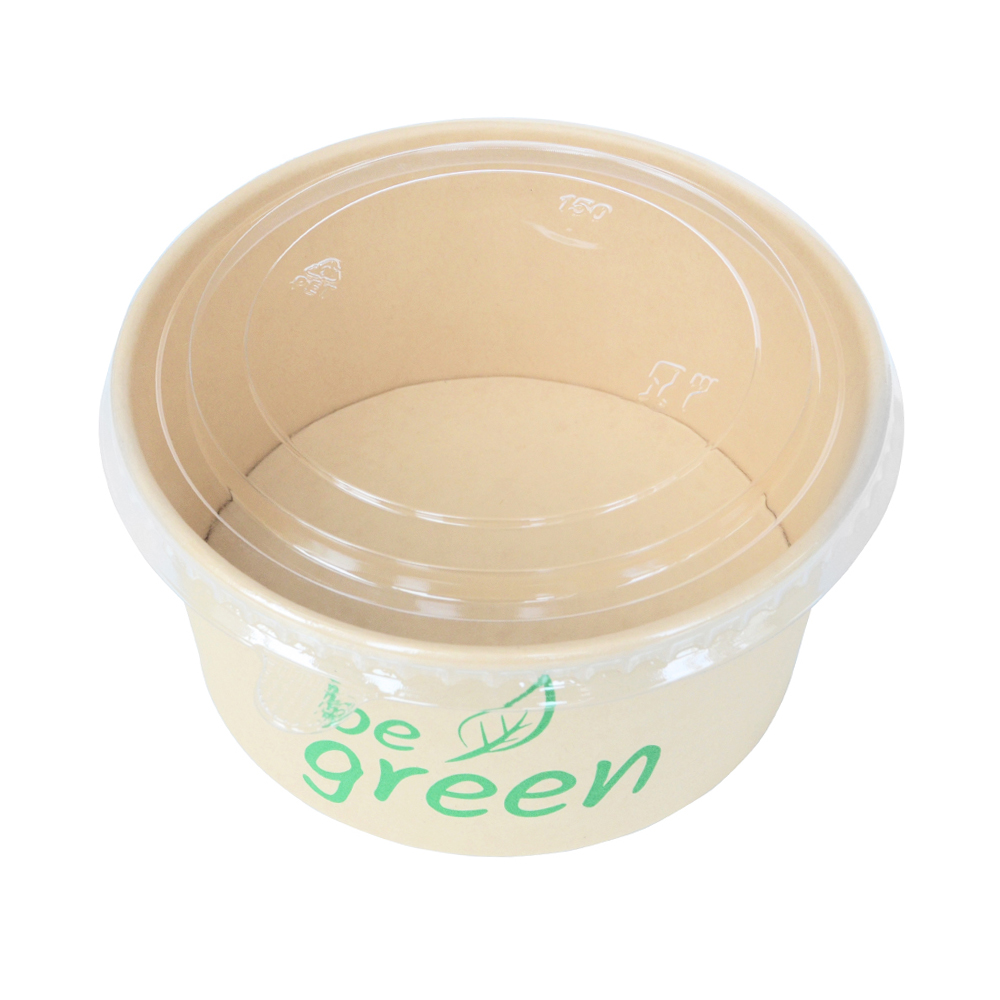
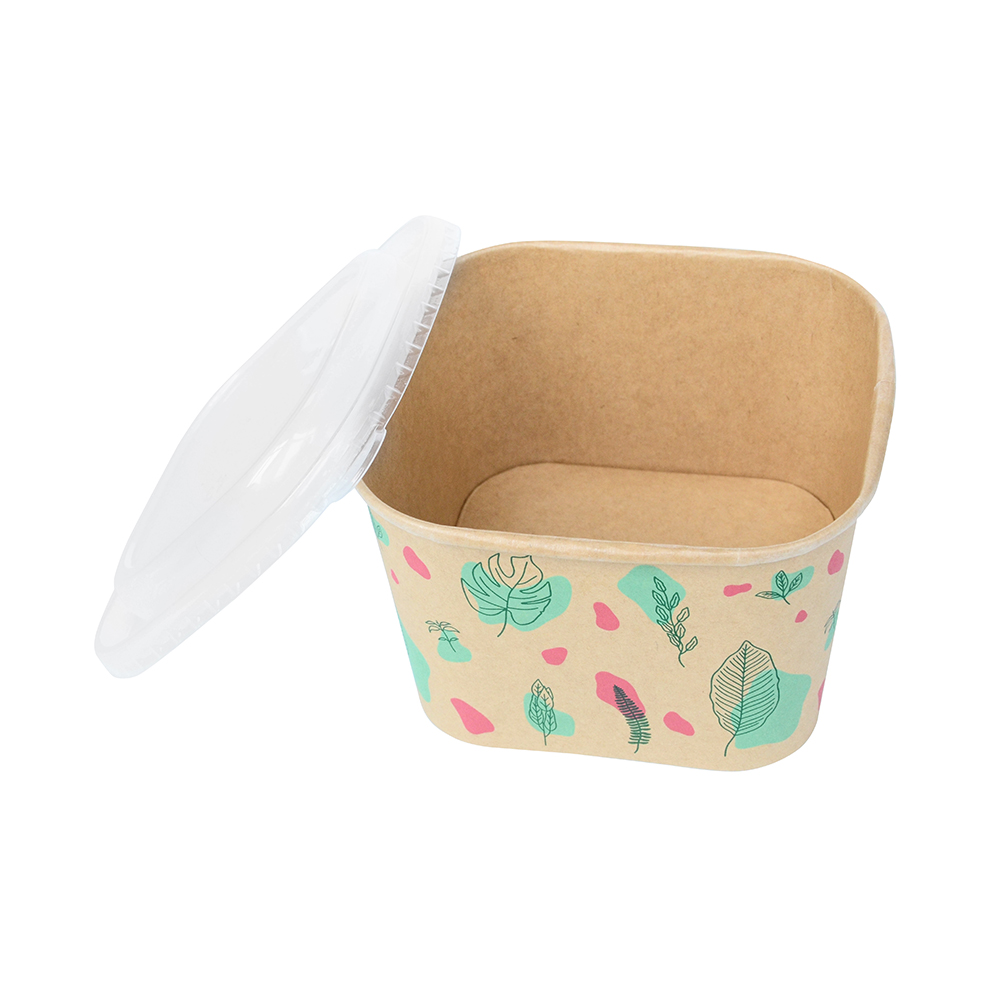
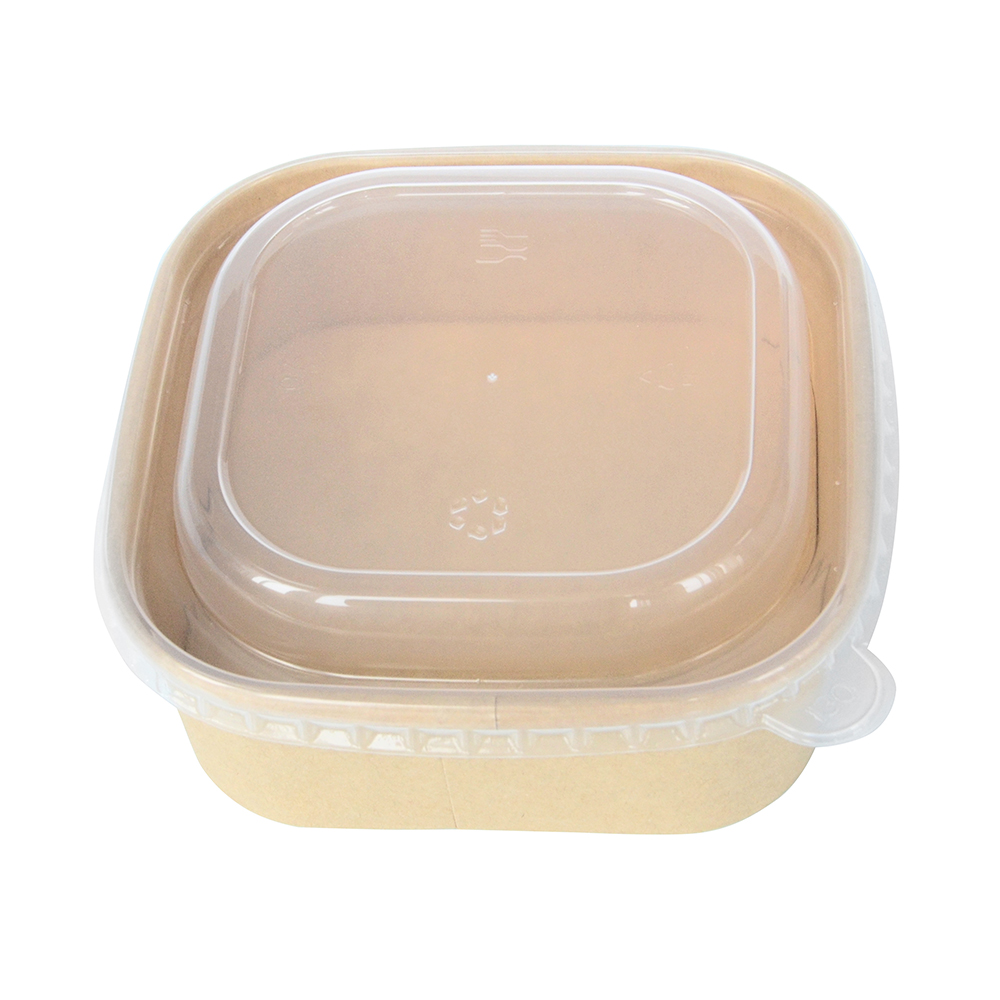
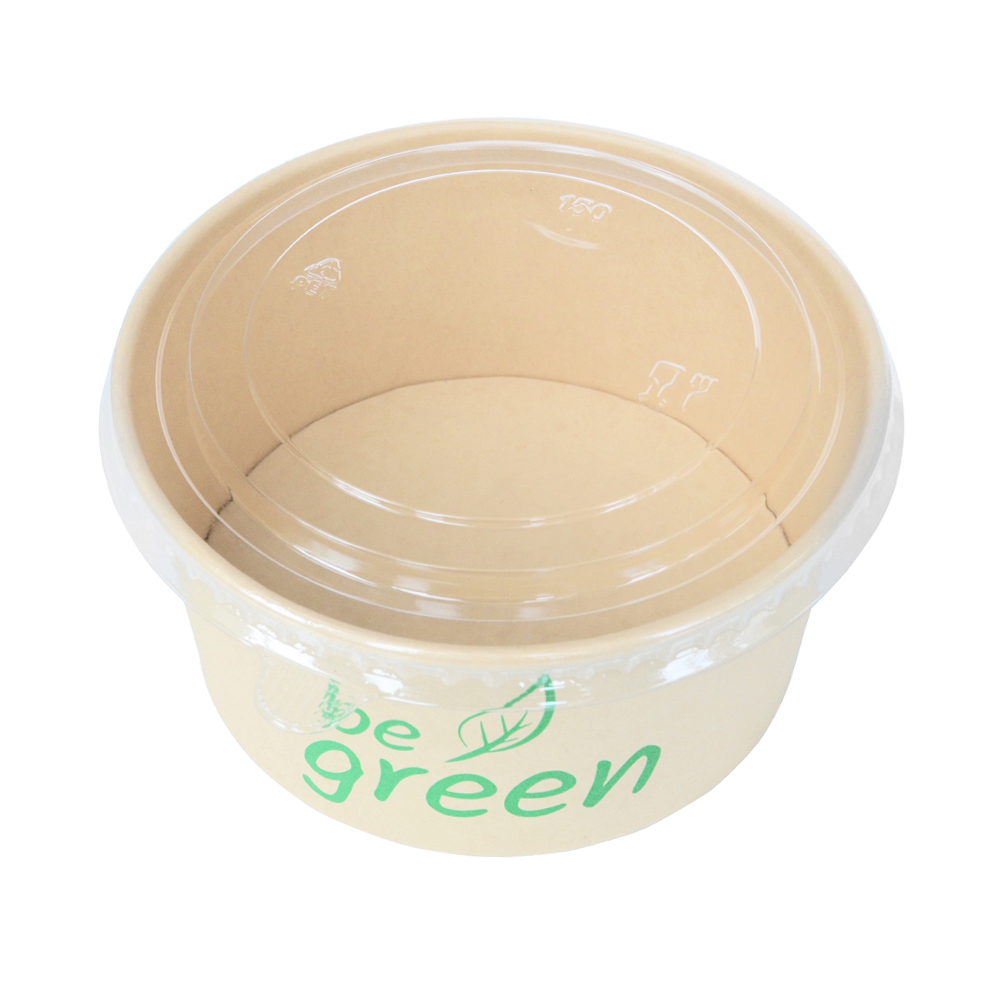
Functionality and consumer appeal are equally important for the success of the paper salad bowl. Its natural, earthy aesthetic is often viewed favorably compared to plastic, aligning with the fresh, healthy image of salad offerings. Designs have evolved beyond simple containers to include secure, fold-over lids for delivery, integrated compartments for separating dressings or croutons, and ergonomic shapes that are easy to hold. For quick-service restaurants and delivery-focused operations, the reliability of a paper salad bowl during transport is a key operational consideration.
However, the transition to the paper salad bowl is not without complexities. True environmental benefit depends heavily on proper end-of-life disposal. A paper salad bowl coated with certain barriers may not break down effectively in home composting systems and can contaminate recycling streams if not correctly sorted. This creates a challenge for waste management infrastructure and can cause consumer confusion. Furthermore, the production of paper products has its own environmental impacts, including water and energy usage, which are part of the broader sustainability calculation for businesses.
The paper salad bowl symbolizes the food industry's ongoing search for practical sustainability. It addresses a clear need for a functional, disposable container that aligns with contemporary ecological values. While challenges around lifecycle analysis and waste processing persist, the paper salad bowl has secured its place as a pilot alternative, pushing both manufacturers and consumers to think more critically about the journey of a package from the takeout counter to its final destination.