en
en English
 中文简体
中文简体 Español
 Deutsch
Soup Delivery Creates New Packaging Challenges
A bowl of soup may look simple when served at a restaurant, but delivery creates a different set of requirements. During transportation, containers need to handle movement, temperature changes, and the pressure of being placed together with other food items.
Restaurants and takeaway businesses often receive customer feedback about packaging performance. Leakage, weak lids, and containers that lose heat too quickly can affect the dining experience after delivery.
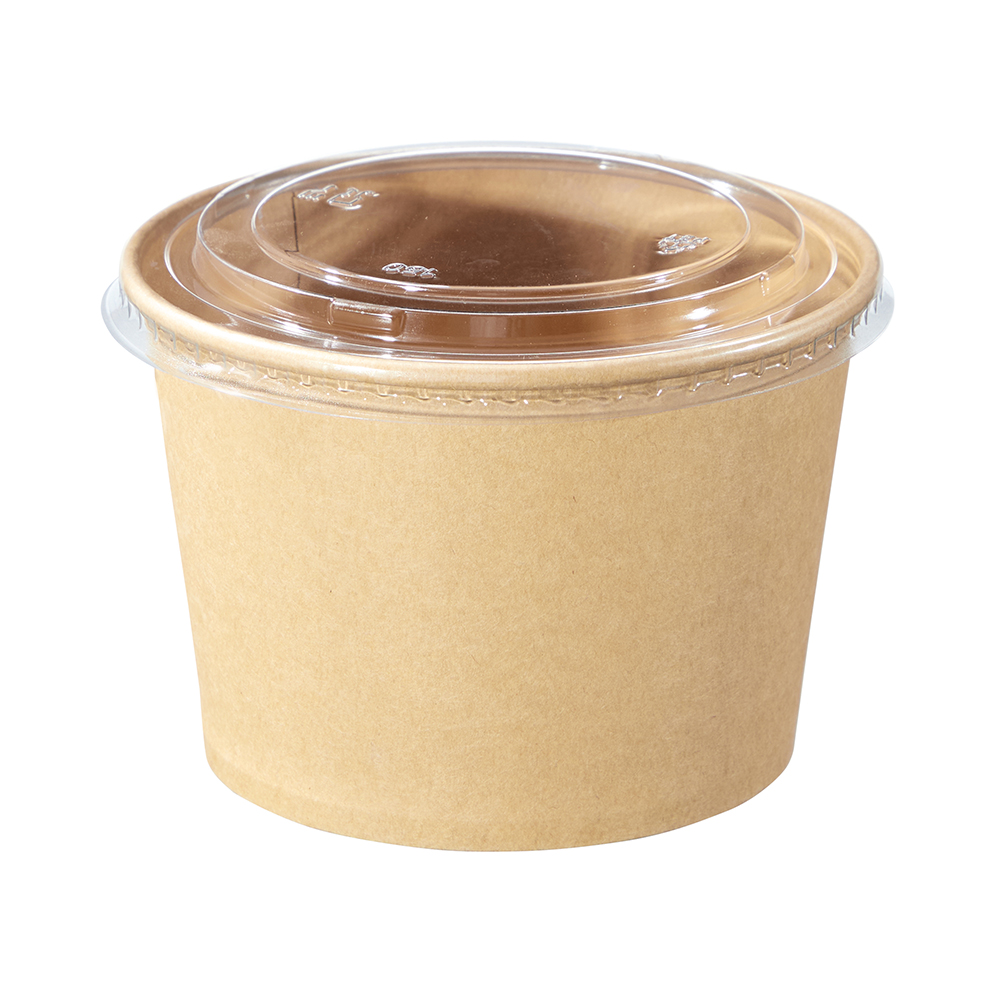
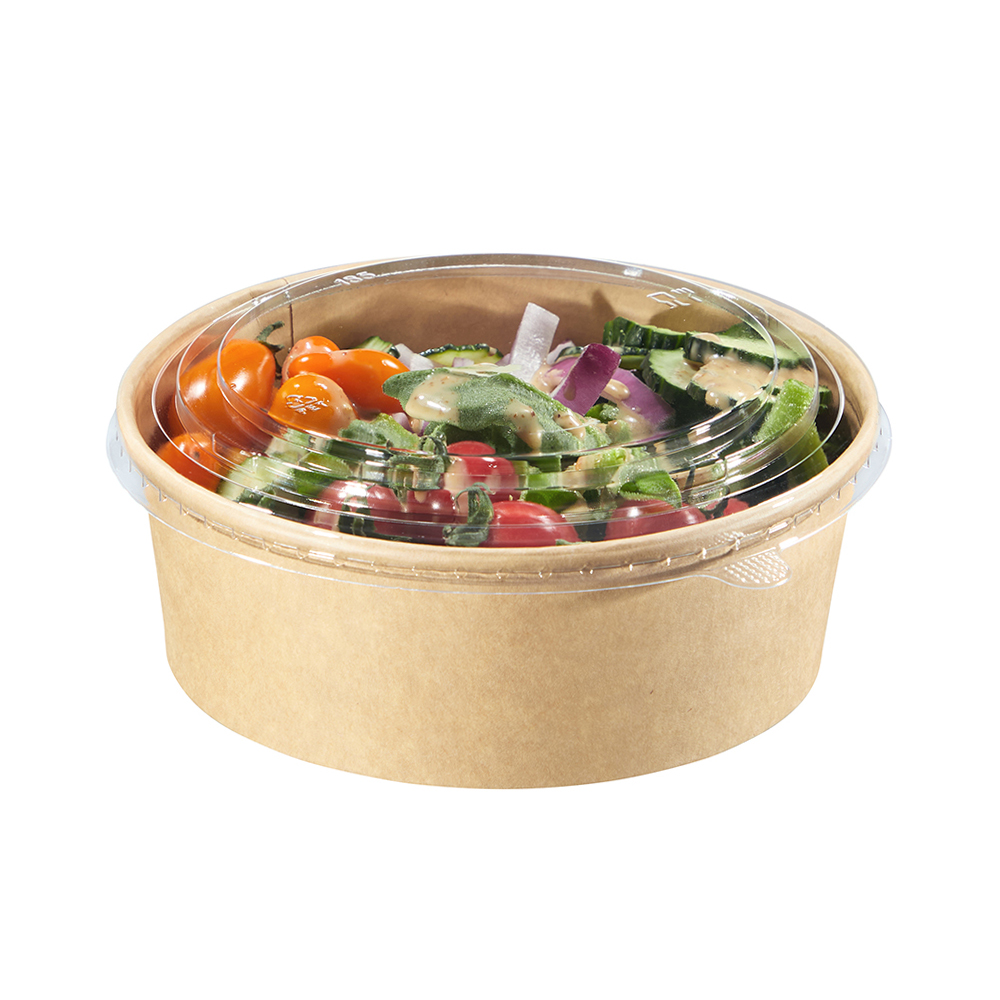
These situations have pushed suppliers to rethink the structure of Disposable Soup Bowl With Lid products. The focus is no longer only on holding food but also on how packaging performs from the kitchen to the customer’s table.
For food businesses, packaging has become part of the delivery process. A suitable container needs to match the type of food being served, especially for liquid products such as soup, porridge, and noodles.
Lid Structure Becomes A Key Design Detail
The lid is one of the important parts of soup packaging. A container may have enough capacity, but poor lid fitting can create problems during transportation.
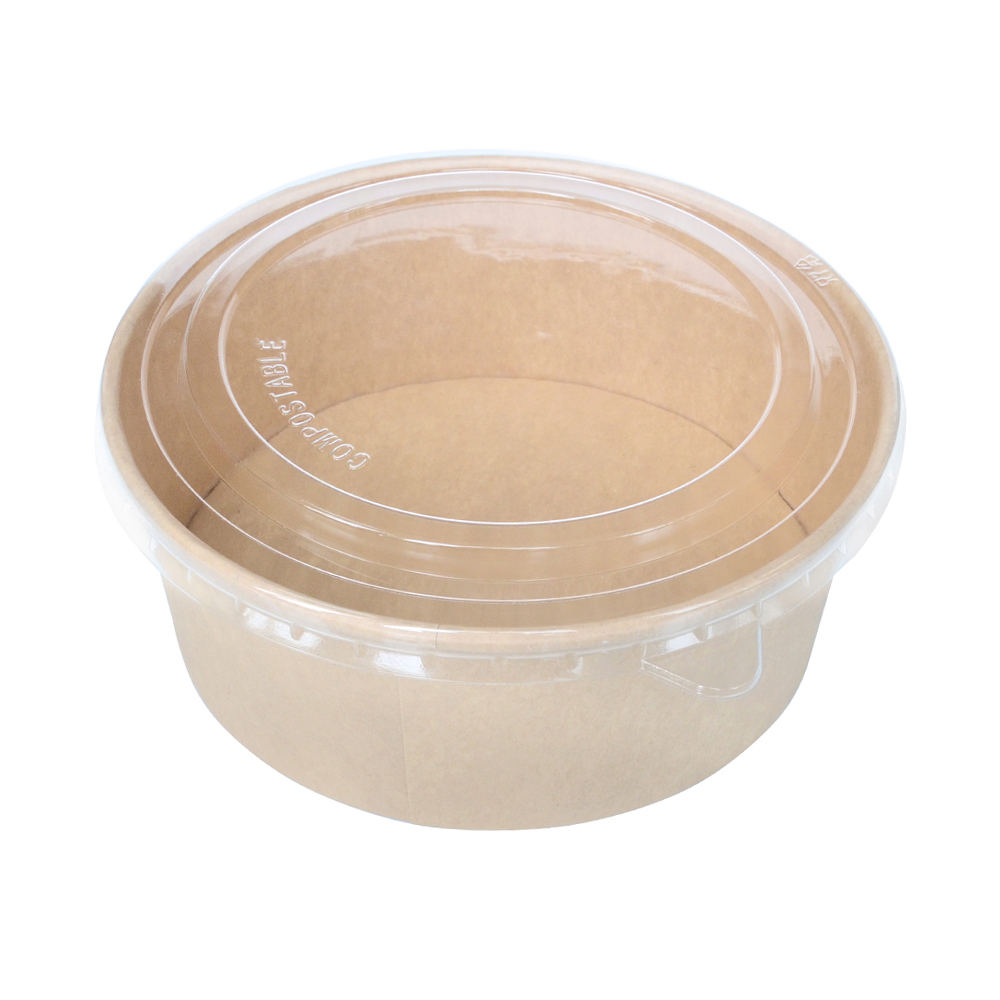
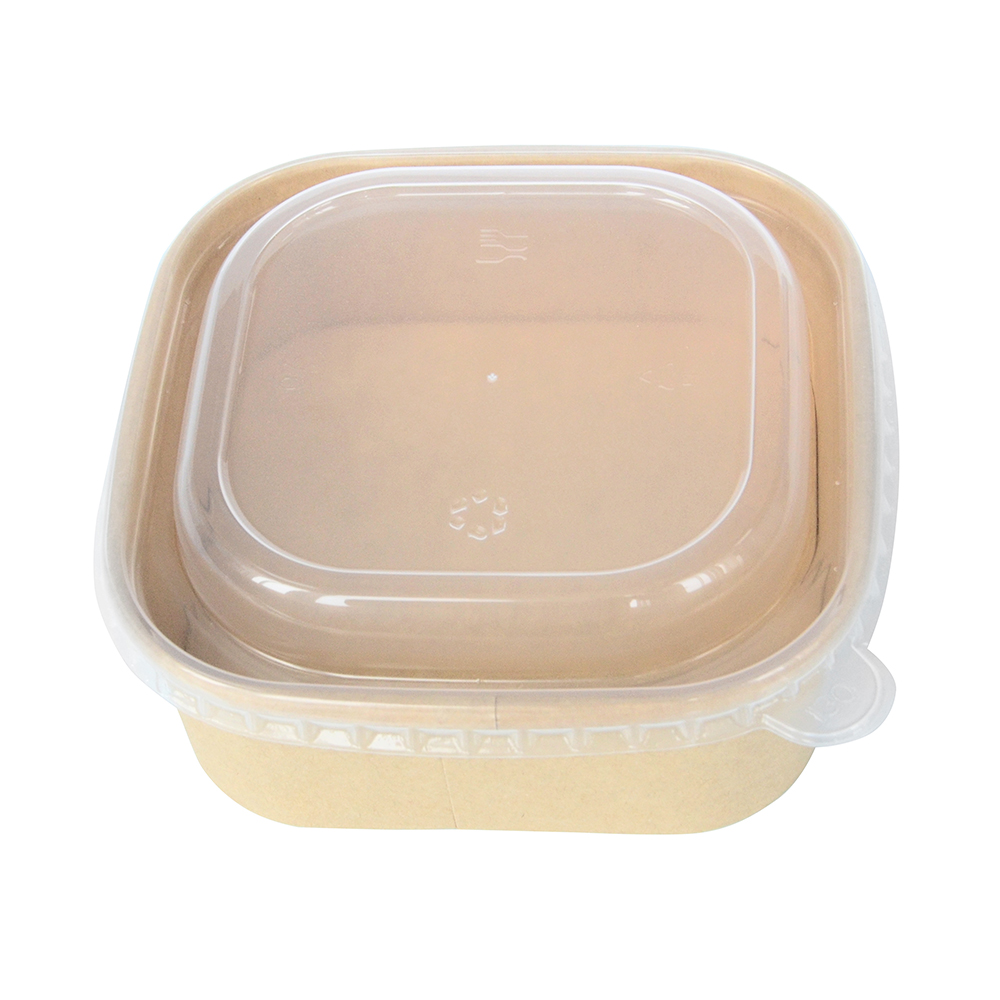
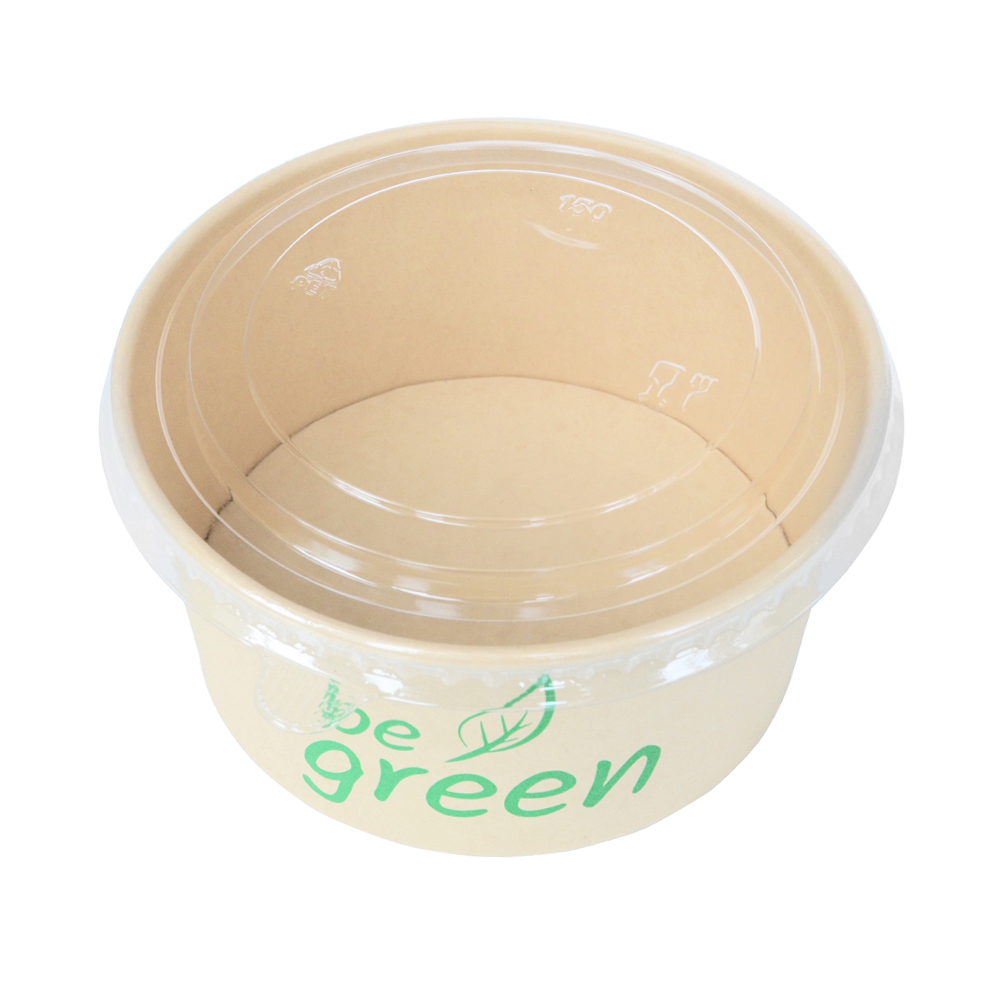
When developing a Disposable Soup Bowl With Lid, manufacturers usually pay attention to the connection between the bowl edge and the cover. The matching accuracy of these two parts can influence sealing performance.
Different designs may use different locking structures, depending on the intended application. Some customers focus on stronger closure, while others need easier opening for consumers.
Production teams also check the shape of the rim because even small differences can affect how lids fit during mass manufacturing.
For takeaway packaging suppliers, details such as leak-resistant food container design have become an important discussion point with restaurant groups and distributors.
Material Selection Affects Temperature And Handling
Soup packaging needs to deal with both hot food and daily handling. The material used for the container influences strength, heat resistance, and overall user experience.
During production, suppliers consider factors such as paper thickness, coating performance, and structural strength.
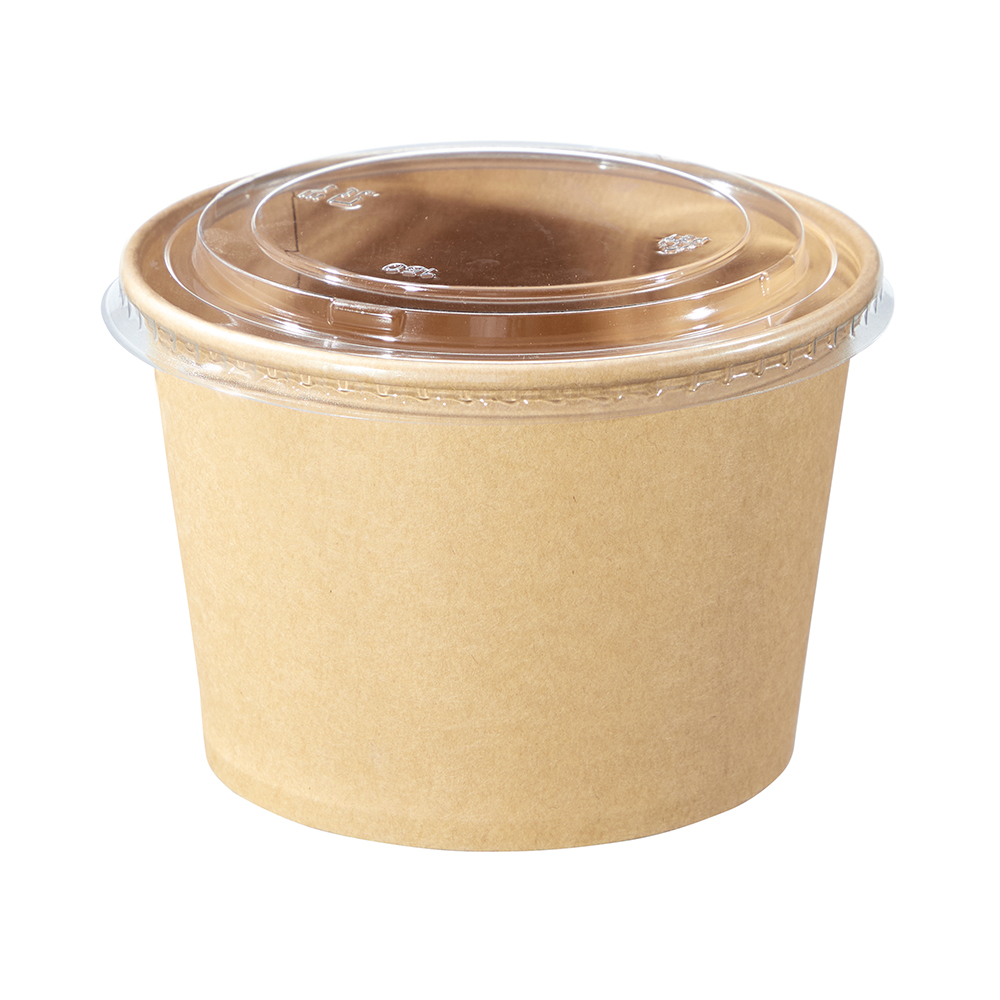
A Disposable Soup Bowl With Lid used for hot soup requires materials that can maintain its shape while containing warm food. If the container becomes too soft during use, carrying and transportation may become more difficult.
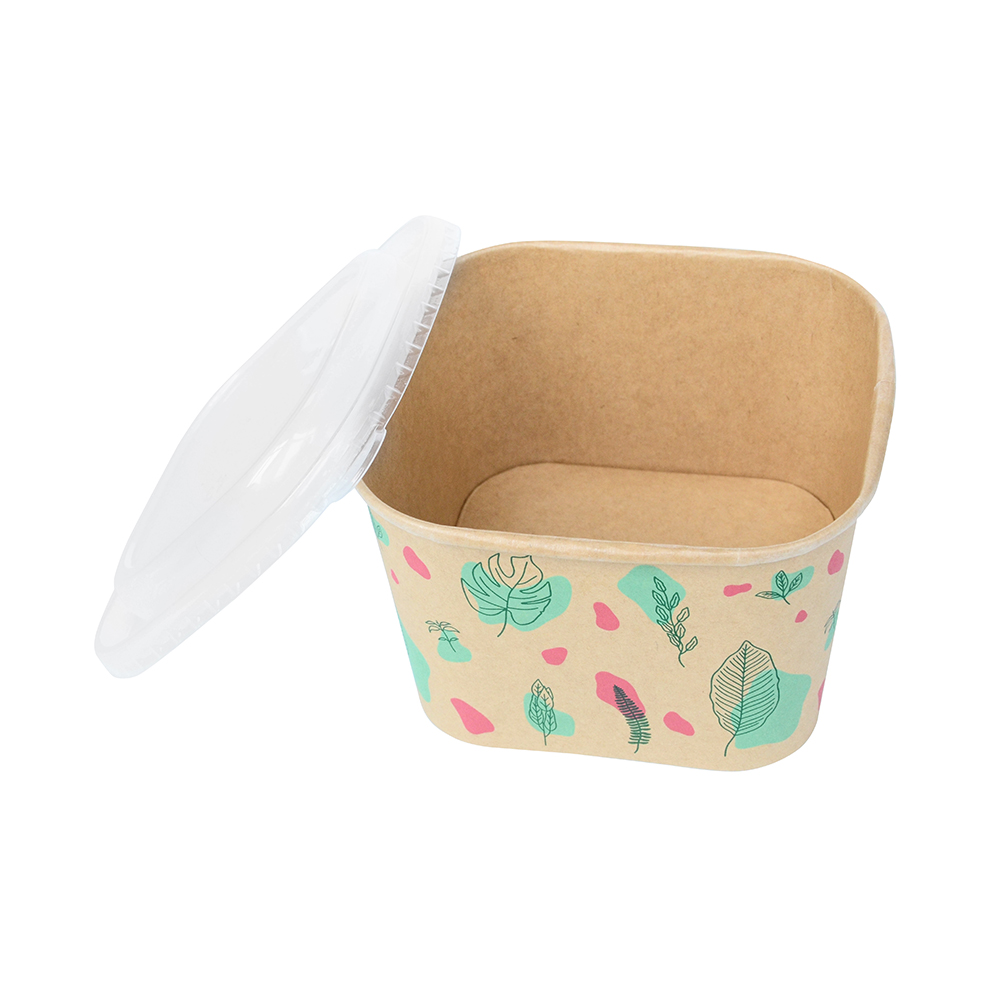
Many food packaging buyers also review the surface quality and appearance of containers before placing larger orders. Printed designs, brand logos, and packaging consistency can influence how products appear in the hands of customers.
The demand for paper soup containers has encouraged manufacturers to pay closer attention to the balance between appearance and practical performance.
Restaurant Orders Influence Production Arrangements
Food businesses often have different packaging requirements depending on their menus. A small takeaway shop may need standard sizes, while a catering company may require larger capacities or customized printing.
These differences affect production planning. Factories need to coordinate materials, molds, printing processes, and packing methods according to customer requirements.
For bulk orders of Disposable Soup Bowl With Lid, buyers may request samples before confirming production. Sample checking allows them to review size, lid fitting, appearance, and suitability for their food applications.
This process is especially important for overseas customers because packaging products are usually ordered in large quantities and shipped over long distances.
Packaging Suppliers Focus On Practical Improvements
Food packaging design continues to be influenced by real usage situations. Restaurants need containers that work during preparation, transportation, and customer consumption.
Companies producing Disposable Soup Bowl With Lid products are paying more attention to structural details that affect daily use, including lid matching, material performance, and production consistency.
As takeaway services continue to rely on convenient packaging, suppliers that understand restaurant operations and manufacturing requirements can better support different customer orders.
The development of soup packaging is not only about creating a container. It involves solving practical problems that appear during food preparation, delivery, and everyday use.