en
en English
 中文简体
中文简体 Español
 Deutsch
The fresh-keeping container has become a standard kitchen item for households and food service operations seeking to reduce food waste. Unlike ordinary storage containers that simply hold food, a fresh-keeping container incorporates seals, venting systems, or modified atmospheres to slow spoilage. Home cooks and meal preppers have adopted the fresh-keeping container for storing fruits, vegetables, leftovers, and prepared meals. The extended food life provided by a fresh-keeping container explains its presence in refrigerators and lunch bags. Manufacturers continue to produce fresh-keeping container units in various sizes, shapes, and material grades.
Sealing technology of a fresh-keeping container prevents air exchange with the refrigerator environment. A silicone gasket on a fresh-keeping container compresses against the lid to form an airtight closure. The latch system of a fresh-keeping container applies even pressure around the seal perimeter. A vacuum fresh-keeping container removes air before sealing to reduce oxidation of stored foods. The one-way valve on some fresh-keeping container designs allows gases to escape without letting air in. A properly sealed fresh-keeping container prevents odor transfer between different food items.
Material selection for a fresh-keeping container affects durability and food safety. A glass fresh-keeping container does not absorb stains or odors from tomato sauce or curry. A BPA-free plastic fresh-keeping container offers lightweight construction suitable for lunch bags. A stainless steel fresh-keeping container resists breakage for camping and outdoor use. The transparency of a fresh-keeping container allows users to see contents without opening. The material choice for a fresh-keeping container should be microwave and dishwasher safe for convenience.
Venting features on a fresh-keeping container control humidity for produce storage. A fresh-keeping container with adjustable vents allows more airflow for vegetables that release ethylene gas. The vent open position on a fresh-keeping container reduces humidity for mushrooms and berries. The vent closed position on a fresh-keeping container retains moisture for leafy greens and herbs. A crisper-style fresh-keeping container includes a raised base to keep produce above collected water. The vent setting of a fresh-keeping container should match the stored food type.
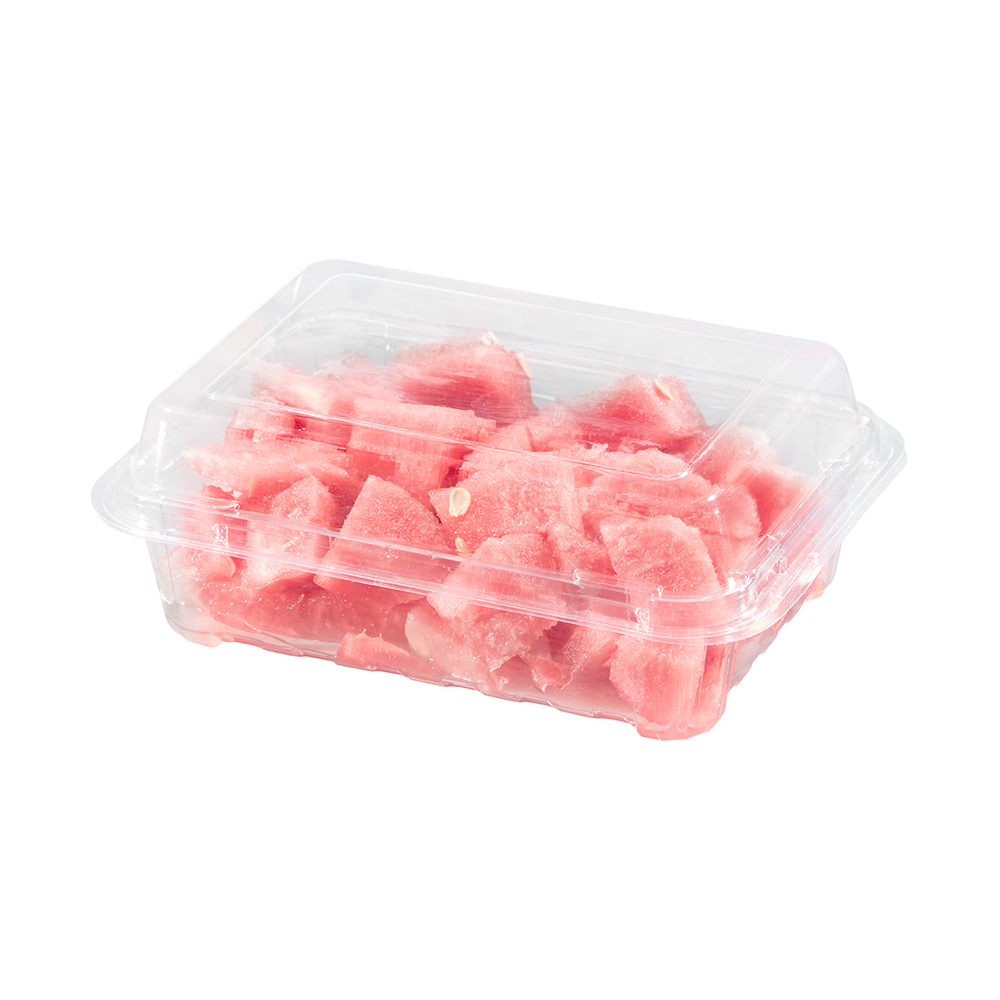
Size options for a fresh-keeping container suit different storage needs. A small fresh-keeping container holds 0.5 to 1 cup for leftover sauces or single servings. A medium fresh-keeping container of 2 to 4 cups stores lunch portions and side dishes. A large fresh-keeping container of 6 to 8 cups accommodates meal prep for multiple days. An extra-large fresh-keeping container holds 10 cups or more for bulk ingredients. A modular fresh-keeping container set nests together when not in use for compact storage.
Application of fresh-keeping containers extends beyond home kitchens. A commercial fresh-keeping container used in deli counters displays sliced meats while maintaining freshness. A meal delivery service packs prepared meals in fresh-keeping containers for weekly shipments. A restaurant uses fresh-keeping containers for portioned ingredients ready for cooking. The versatility of fresh-keeping containers makes them useful in many food handling settings. A color-coded fresh-keeping container system helps organize different food categories.
Durability of a fresh-keeping container affects long-term value. A glass fresh-keeping container withstands thermal shock when moving from freezer to microwave. The lid hinge of a fresh-keeping container should flex without cracking over years of use. A fresh-keeping container that stains or retains odors may need replacement. The stacking strength of a fresh-keeping container allows storage without crushing lower containers. A fresh-keeping container with reinforced corners resists chipping from drops.
The fresh-keeping container will likely incorporate more smart features and sustainable materials. For consumers seeking reduced food waste, the fresh-keeping container offers a practical solution.