en
en English
 中文简体
中文简体 Español
 Deutsch
The hinged plastic container has become a popular choice for takeout restaurants, deli counters, and food service operations. Unlike separate lid and base containers that require matching two pieces, a hinged plastic container features a connected lid that folds over the base in one unit. Food service operators have selected the hinged plastic container for salads, sandwiches, fresh produce, and bakery items. The convenience of a hinged plastic container explains its presence in grocery store prepared food sections and delivery orders. Manufacturers continue to produce hinged plastic container units in various sizes, material grades, and closure styles.
Construction of a hinged plastic container involves a living hinge that connects lid to base. The hinge of a hinged plastic container is molded as part of the same piece, creating a flexible joint. A thin section of plastic at the hinge of a hinged plastic container bends repeatedly without breaking. The lid of a hinged plastic container snaps closed over the base perimeter for secure closure. A well-designed hinged plastic container opens and closes smoothly for hundreds of cycles. The one-piece construction eliminates the need to match separate lid and base components.
Closure mechanisms on a hinged plastic container keep the lid securely attached during transport. A tab-and-catch closure on a hinged plastic container snaps into place with audible feedback. A friction-fit hinged plastic container relies on tight lid-to-base contact without positive locking. A multi-point closure on a hinged plastic container includes several tabs around the perimeter. A tamper-evident hinged plastic container shows visible damage if opened before purchase. The closure strength of a hinged plastic container affects how well it stays shut during delivery.
Material selection for a hinged plastic container affects clarity, strength, and temperature resistance. A PET hinged plastic container offers clarity for product visibility and resists condensation fogging. A polypropylene hinged plastic container withstands microwave reheating for consumer convenience. A hinged plastic container made from recycled content PET appeals to sustainability-focused buyers. The thickness of a hinged plastic container walls affects both strength and material cost. A hinged plastic container for hot foods requires higher temperature resistance than cold food versions.
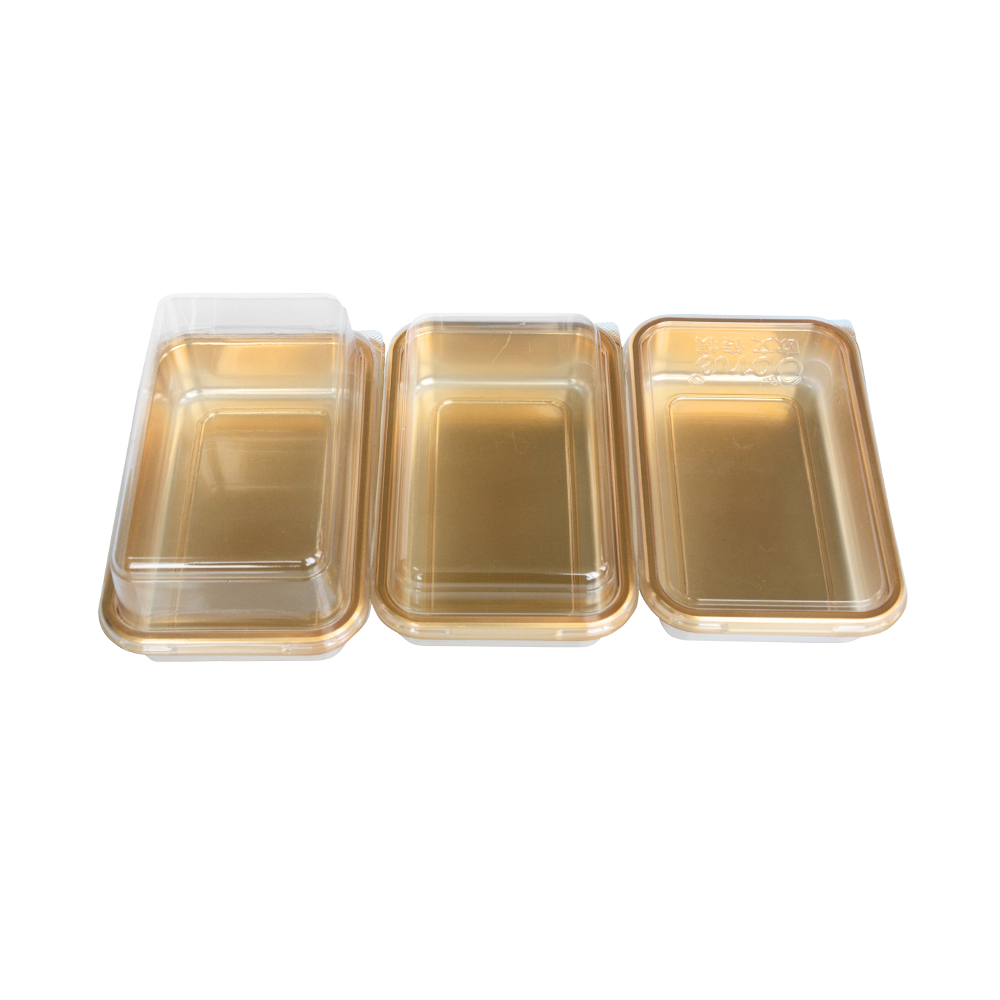
Venting features of a hinged plastic container manage moisture for different food types. A hinged plastic container with built-in vents allows steam escape for hot prepared foods. The vent location on a hinged plastic container should be positioned away from closure tabs. A hinged plastic container without vents retains humidity for fresh produce longer. The vent size on a hinged plastic container affects how quickly moisture escapes. A hinged plastic container with adjustable vents gives operators options for different foods.
Sizing options for a hinged plastic container accommodate single and multi-portion servings. A small hinged plastic container holds 4 to 8 ounces for side salads or small sandwiches. A medium hinged plastic container of 16 to 24 ounces serves individual meal portions. A large hinged plastic container of 32 to 48 ounces holds family-size salads or multiple sandwiches. The depth profile of a hinged plastic container varies from shallow for burgers to deep for pasta dishes. A hinged plastic container with compartmentalized base keeps separate food items from touching.
The hinged plastic container will likely continue serving the takeout and deli markets. Advances in bioplastic materials may produce compostable hinged plastic container options. For food service operators seeking convenient packaging, the hinged plastic container offers a practical solution.