en
en English
 中文简体
中文简体 Español
 Deutsch
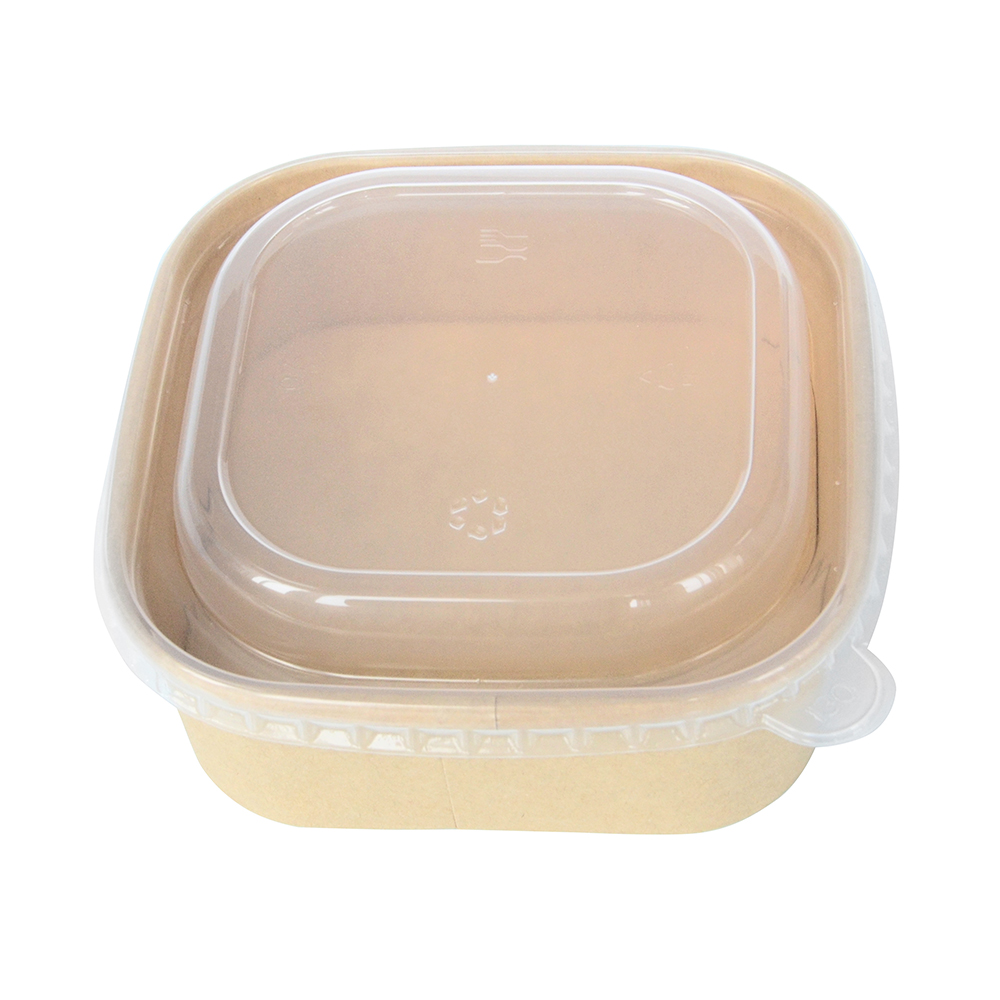
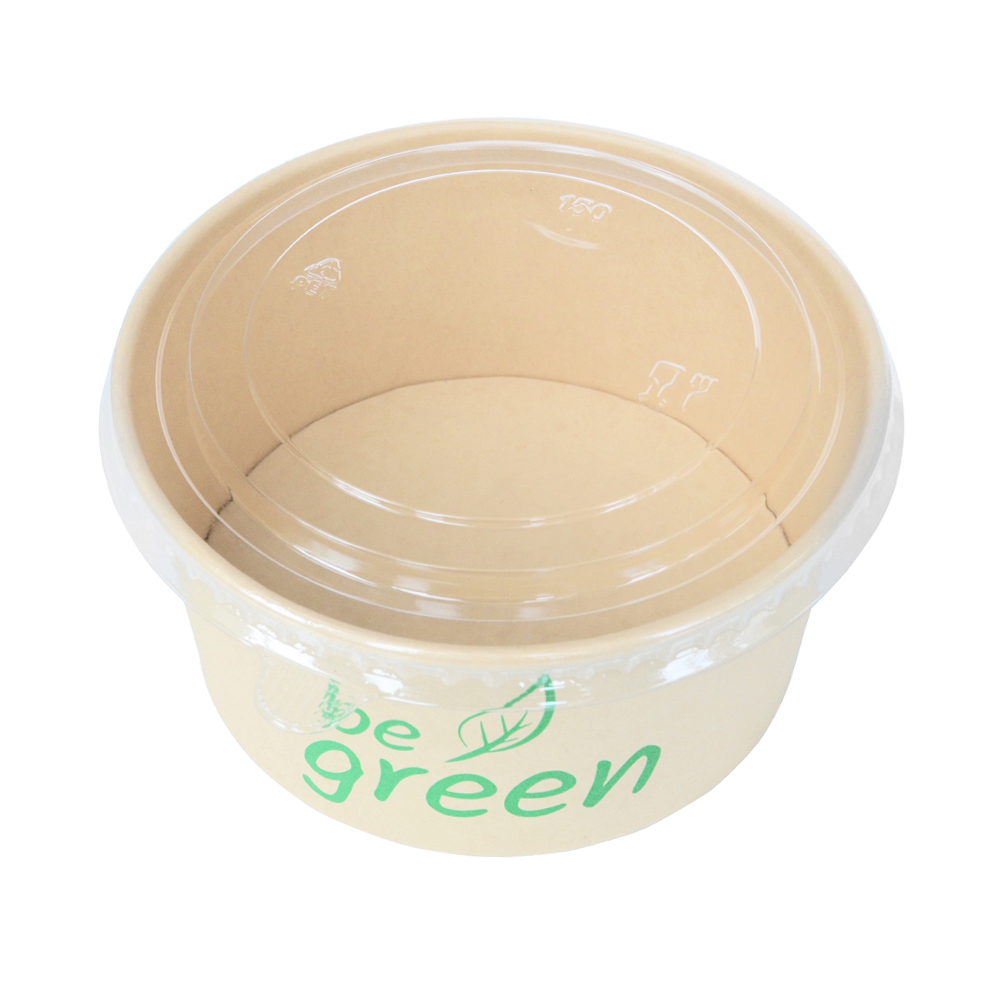
The household importants that preserve food freshness and reduce waste have become increasingly sophisticated as consumers prioritize both convenience and sustainability. The modern fresh-keeping container represents far more than simple storage; it is an engineered system designed to create ideal conditions for different food types, extending edible life and maintaining quality from preparation through consumption. As awareness of food waste impacts grows and lifestyles demand greater flexibility, fresh-keeping container technology continues to advance.
At the core of fresh-keeping container functionality is the creation of a controlled environment that slows the natural processes of food degradation. Exposure to air accelerates oxidation, moisture loss leads to wilting and drying, and temperature fluctuations stress perishable items. Quality fresh-keeping containers address these factors through airtight seals that less air exchange, materials that maintain consistent interior conditions, and designs that accommodate the specific requirements of different food categories. This environmental control translates directly to extended freshness that saves money and reduces waste.
Seal technology represents a critical differentiator among fresh-keeping container offerings. The interface between lid and base must create a reliable barrier against air movement while remaining easy for users to operate. Advanced sealing systems incorporate flexible gaskets that conform to container rims, compensating for minor imsuperbions and maintaining seal integrity through repeated use. Multi-point latching mechanisms apply even pressure around the entire perimeter, eliminating weak points where air could enter. Some fresh-keeping containers feature vacuum sealing capabilities that remove air before storage, dramatically slowing oxidation for particularly sensitive items.
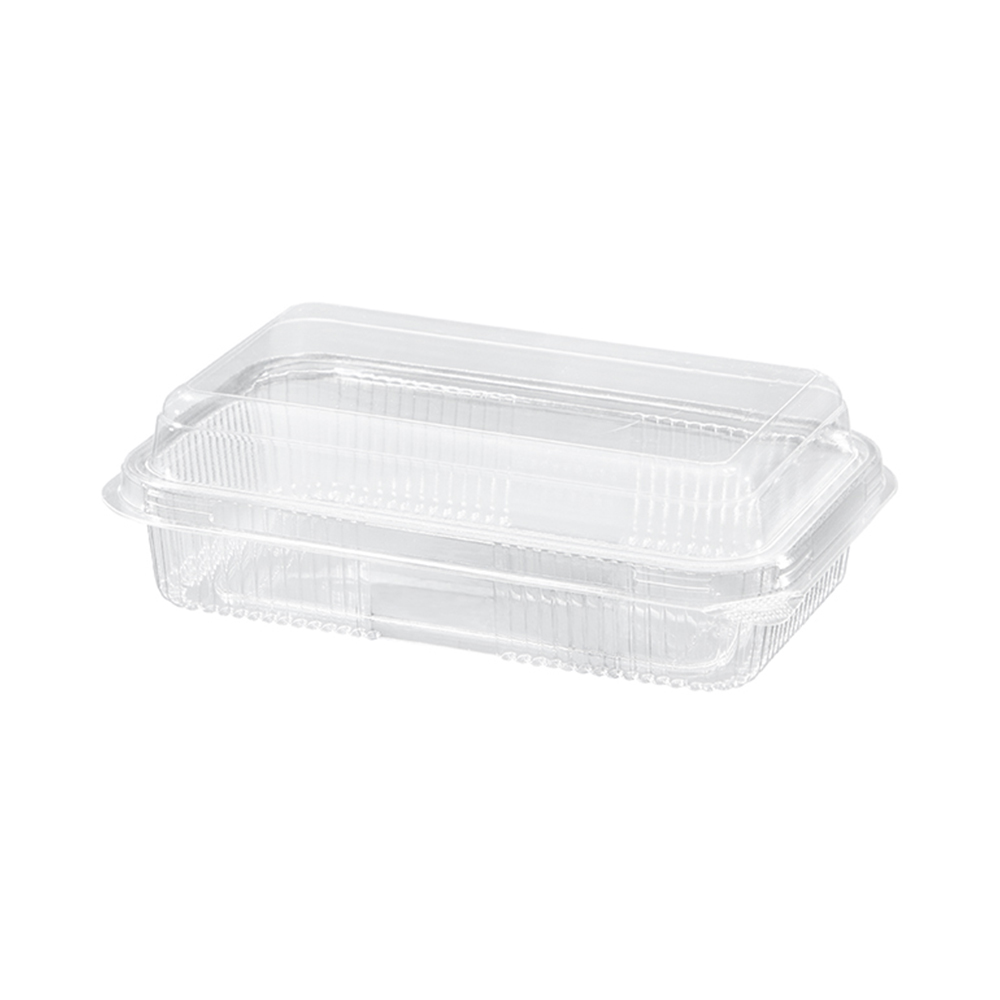
Material science has advanced significantly in fresh-keeping container development. Glass containers offer clarity, stain resistance, and the ability to move from refrigerator to oven without concern, appealing to users who value versatility and the absence of food interactions. High-quality plastics provide light weight, impact resistance, and design flexibility at lower cost. Both material categories have benefited from formulations that resist staining, odor absorption, and degradation through repeated dishwasher cycles. The choice between materials increasingly reflects personal preference and specific use patterns rather than inherent quality differences.
Modularity has become a defining characteristic of comprehensive fresh-keeping container systems. Nesting designs that store compactly when not in use address the space constraints common in modern kitchens. Interchangeable lids that fit multiple container sizes reduce the frustration of mismatched components. Stacking compatibility improves refrigerator and cabinet space utilization. These system design elements transform collections of individual containers into integrated storage solutions that work efficiently across the full range of food storage needs.
Specialized fresh-keeping container designs address the unique requirements of particular food categories. Produce keepers incorporate ventilation that moderates humidity, preventing the condensation that accelerates spoilage while maintaining adequate moisture for crispness. Bread containers balance moisture retention with airflow to preserve crust texture. Cheese storage creates conditions that allow continued aging without drying or mold growth. These specialized designs recognize that ideal storage conditions vary significantly between food types, delivering predominant results compared to one-size-fits-all approaches.
As food prices continue to rise and environmental awareness grows, the role of effective fresh-keeping containers in household food management becomes increasingly important. The ability to preserve perishable items through their intended consumption period directly reduces the waste that represents both economic loss and environmental impact. Modern fresh-keeping containers, with their advanced seals, specialized designs, and durable construction, deliver the performance that this important function requires, helping households stretch food budgets while reducing their environmental footprint.