en
en English
 中文简体
中文简体 Español
 Deutsch
The ubiquitous packaging solution that has become important across foodservice, retail, and industrial applications is experiencing sustained growth as manufacturers refine designs and materials to meet evolving market demands. The hinged plastic container, characterized by its integrated lid and base connected by a flexible hinge, offers unparalleled convenience for storing, displaying, and transporting products. As consumer lifestyles become increasingly mobile and sustainability concerns reshape packaging priorities, hinged plastic container technology continues to advance.
At the foundation of hinged plastic container appeal is the simplicity of the one-piece design. Unlike containers with separate lids that can be misplaced or mismatched, the hinged configuration ensures that closure is always available when needed. This integrated design speeds packing operations in commercial settings and simplifies use for consumers. The hinge itself has been engineered for durability, withstanding repeated openings and closings over the container's useful life. This reliability makes hinged plastic containers preferred choices for applications ranging from deli counter packaging to industrial parts organization.
The closure systems on hinged plastic containers have evolved significantly to meet varying security requirements. Simple tab closures provide adequate security for lightweight contents and applications where frequent access is needed. Snap-lock mechanisms create more positive closure for applications requiring greater security during transport. Tamper-evident features provide visual indication if containers have been opened after packing, critical for food safety and theft prevention. Some hinged plastic containers incorporate child-resistant closures for applications involving hazardous materials. This range of closure options allows selection matched to specific product and usage requirements.
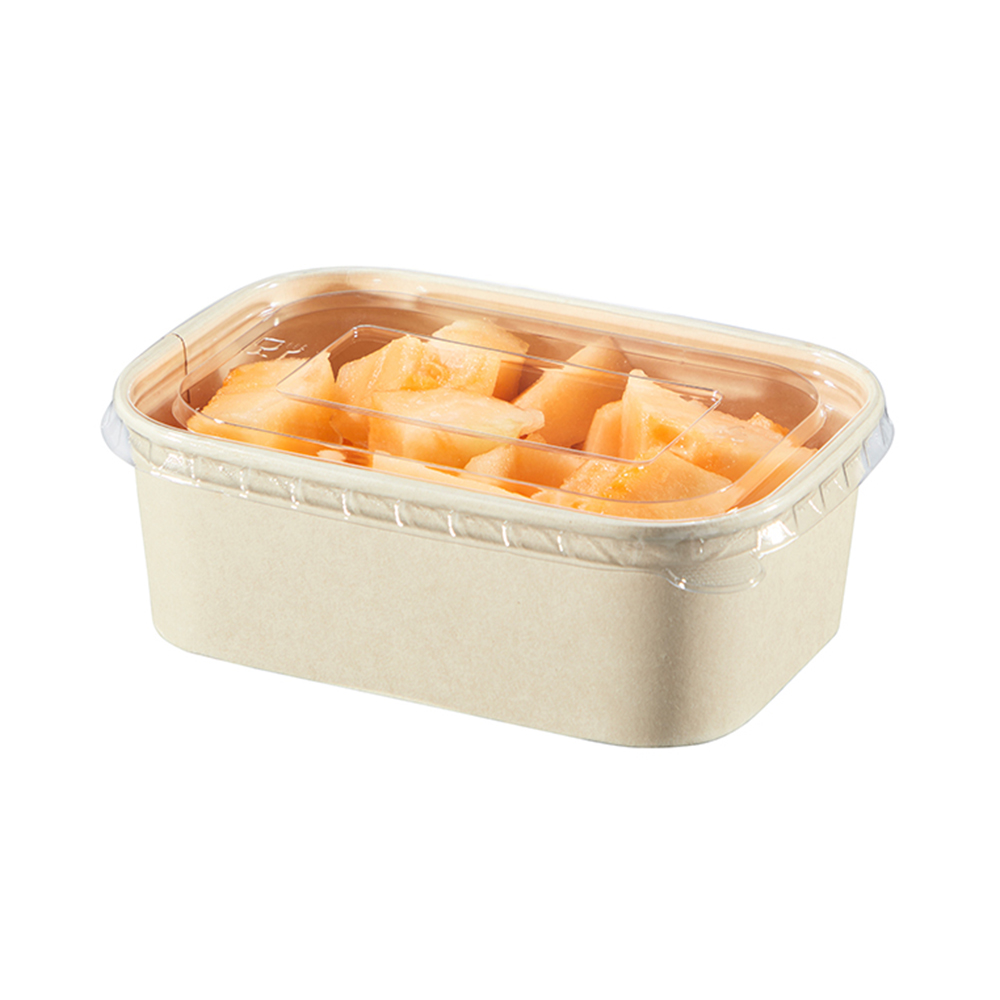
Material selection for hinged plastic containers involves balancing multiple performance factors. Polypropylene offers outstanding clarity, heat resistance suitable for microwave reheating, and durability through repeated use. Polyethylene terephthalate provides exceptional clarity that displays contents attractively, making it preferred for retail presentation. Polystyrene offers rigidity and economy for applications where clarity is less critical. Each material brings distinct properties that influence selection based on the specific requirements of the product being packaged and the distribution environment it will encounter.
Venting features have been incorporated into many hinged plastic container designs to address condensation issues. When warm products are packaged in sealed containers, moisture released during cooling can condense on interior surfaces, creating fog that obscures contents and potentially compromising product quality. Venting systems allow controlled air exchange that reduces condensation while maintaining adequate protection. Some designs incorporate raised areas that keep lids from direct contact with contents, creating air gaps that further reduce moisture accumulation. These ventilation features are particularly valuable for food packaging applications.
Stacking compatibility has become an increasingly important design consideration for hinged plastic containers. In commercial settings, containers are often stacked during transport, storage, and retail display. Interlocking features prevent stacked containers from sliding, improving stability and safety. Weight-bearing designs allow lower containers to support upper containers without crushing, big space utilization. Uniform footprint dimensions across container sizes enable mixed stacking for efficient use of shelf and transport space. These stacking features enhance the logistical efficiency of hinged plastic container use.
As consumer preferences continue to favor convenience and portability across food and non-food products, the hinged plastic container appears positioned for continued market growth. The combination of functional performance, logistical efficiency, and design versatility makes this packaging format attractive across diverse applications. From takeout meals to hardware organization to medical device packaging, hinged plastic containers deliver the secure, convenient containment that modern commerce requires.