en
en English
 中文简体
中文简体 Español
 Deutsch
Hinge caked container has become a standard choice for takeaway food packaging and household storage, as its one-piece design eliminates the need for separate lids that can be misplaced or lost. These containers, molded from plastic or formed from paperboard, feature a flexible joint that connects the base and lid, allowing the lid to snap shut securely and open easily with one hand.
The defining feature of a hinge caked container is the living hinge—a thin, flexible section of material that connects the two rigid parts. Unlike a mechanical hinge made of separate pins and barrels, a living hinge is molded as a single piece. This design reduces production costs and eliminates small parts that could break or come apart. When the lid is opened and closed repeatedly, the hinge flexes without breaking, provided the material is chosen correctly.
Polypropylene is the material used for lot of hinge caked containers in food service. This plastic resists cracking under repeated bending, withstands temperatures from freezing to microwave heating, and does not absorb moisture or odors. Polypropylene hinge caked containers are reusable and recyclable in many programs, though local recycling rules vary. Some containers use clarified polypropylene, which has a glass-like transparency that shows the contents inside.
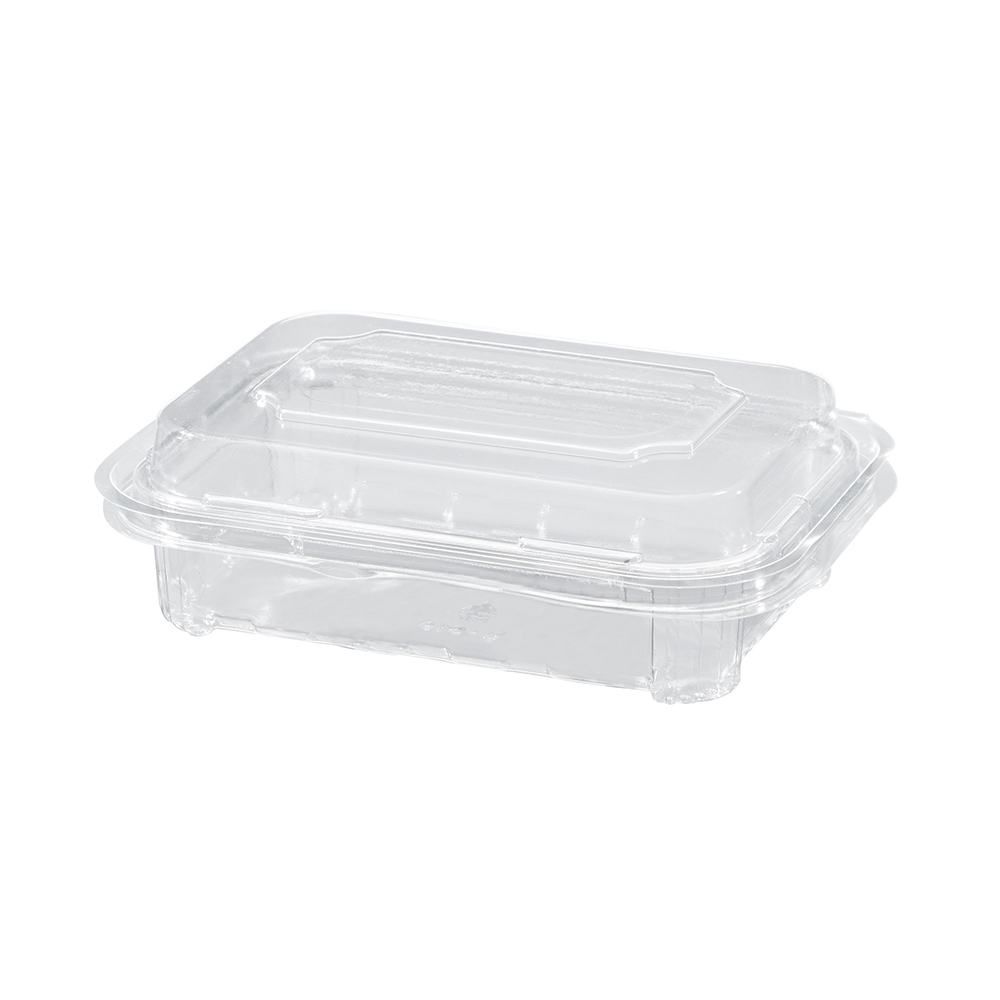
Portion control is a practical advantage of hinge caked containers in food service. A standardized hinge caked container holds a specific volume, allowing kitchens to portion meals consistently without measuring each serving. A small container might hold a single side of sauce, while a larger compartmented version holds an entire meal with separate sections for the main dish and sides. This consistency helps restaurants control costs and meet customer expectations.
Drainage features appear on some hinge caked containers designed for fresh produce or fried foods. Small raised ridges or holes in the base allow excess moisture or oil to collect below the food, keeping the contents from becoming soggy. A separate absorbent pad can be placed under the food in some designs. These features extend the time food remains appealing after being packaged, which matters for delivery and prepared meal services.
Household use of hinge caked containers has expanded beyond food storage. People use them to organize small hardware like screws and nails, separate fishing tackle, store craft supplies, and pack travel items like jewelry or medication. The transparent versions allow quick identification of contents without opening. Stackable hinge caked containers with similar footprints make efficient use of shelf space in garages, workshops, and closets.
The environmental discussion around hinge caked containers focuses on reuse and disposal. Single-use versions generate waste, but durable polypropylene hinge caked containers can be washed and reused dozens of times. Some consumers buy reusable hinge caked containers specifically to pack lunches and leftovers, avoiding disposable options. Compostable hinge caked containers made from molded fiber or bagasse exist but generally have different hinge durability compared to plastic versions.
For anyone packing a lunch, storing leftovers, or organizing a toolbox, the hinge caked container offers a simple solution that keeps contents separate from the outside world. Its single-piece design means no searching for a matching lid, and the living hinge provides years of reliable service under normal use.