en
en English
 中文简体
中文简体 Español
 Deutsch
The tableware and kitchen accessories market continues to offer a wide array of options for consumers who value both functionality and presentation. Among the essential items found in modern kitchens, the salad bowl holds a distinctive place as a versatile piece that serves daily meals and special gatherings alike. The enduring popularity of the salad bowl reflects the broader appreciation for fresh food presentation and the role that appropriate servingware plays in the dining experience.
The salad bowl serves multiple functions beyond simply holding mixed greens. A well-designed salad bowl accommodates the tossing and mixing process that evenly distributes dressings and ingredients. The shape of a salad bowl influences how easily contents can be turned and combined without spilling over the edges. Many users prefer a salad bowl with sufficient depth to contain ingredients while offering a broad surface area that allows for thorough mixing. These functional considerations inform the design of salad bowls across various materials and styles.
Material selection for salad bowls has expanded considerably, offering consumers choices that suit different preferences and usage patterns. Wooden salad bowls remain popular for their natural appearance and the traditional aesthetic they bring to the table. A wooden salad bowl develops character over time, with some users appreciating the patina that comes with regular use. Ceramic salad bowls offer durability and a wide range of glazed finishes that complement various table settings. Glass salad bowls provide transparency that showcases colorful ingredients, while stainless steel options appeal to those prioritizing durability and easy cleaning.
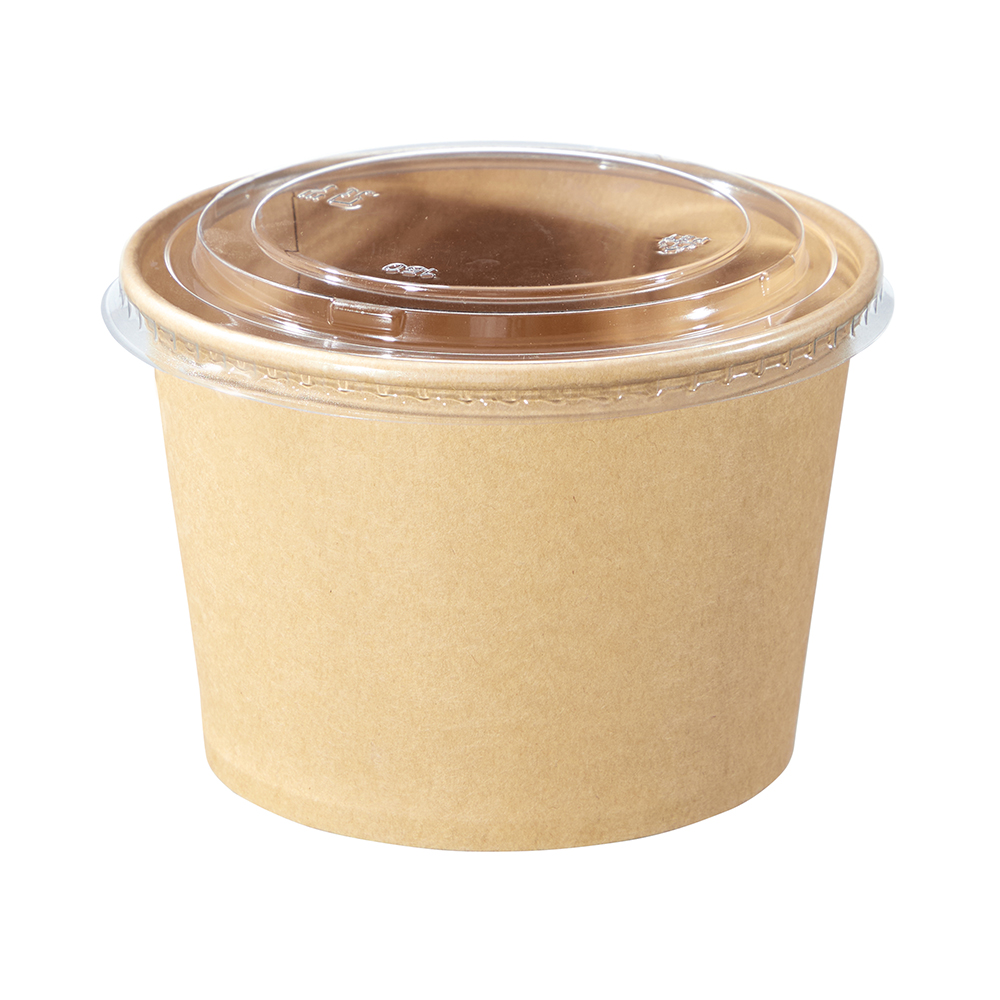
The size of a salad bowl factors into purchasing decisions based on household needs and entertaining frequency. A smaller salad bowl suits everyday meals for one or two people, while larger salad bowls accommodate family servings or gatherings where salads are part of a shared meal. Some households maintain multiple salad bowls in different sizes, selecting the appropriate one based on the occasion and number of guests. The versatility of having a salad bowl in a practical size ensures that fresh salads can be prepared and served conveniently.
The aesthetic contribution of a salad bowl extends beyond its primary function. A thoughtfully selected salad bowl can enhance the visual presentation of fresh ingredients, making salads more appealing to diners. The salad bowl often remains on the table during meals, allowing guests to serve themselves additional portions. For those who enjoy entertaining, a salad bowl that coordinates with other serving pieces contributes to a cohesive table setting. The visual appeal of a salad bowl becomes particularly relevant when salads feature layered ingredients or colorful combinations.
Maintenance considerations influence salad bowl selection for many consumers. Wooden salad bowls typically require periodic oiling to maintain their finish and prevent drying or cracking. Ceramic and glass salad bowls are generally dishwasher-safe, offering convenience for daily use. Stainless steel salad bowls resist staining and can be cleaned without special care. The maintenance requirements of a salad bowl often align with how frequently the item is used and whether it serves everyday purposes or is reserved for special occasions.
The salad bowl is expected to remain a staple in kitchenware collections as fresh food consumption continues to be valued. The combination of practical function and presentation appeal ensures that the salad bowl maintains its relevance across different dining contexts. For consumers seeking reliable servingware that accommodates both everyday meals and entertaining, the salad bowl represents a thoughtful addition to their kitchen essentials.