en
en English
 中文简体
中文简体 Español
 Deutsch
A noticeable shift is occurring in household organization and sustainable living practices, centered on the practical design of the hinged vegetable and fruit container. This specialized storage solution, characterized by its lidded design connected via a hinge mechanism, is moving beyond commercial use to become a staple in domestic kitchens. The hinged vegetable and fruit container offers an effective method for prolonging the freshness of produce, reducing plastic waste, and organizing pantry or refrigerator spaces with greater efficiency.
The fundamental appeal of the hinged vegetable and fruit container lies in its combination of accessibility and preservation. Unlike open baskets or flimsy plastic bags, a well-sealed hinged vegetable and fruit container creates a more controlled microenvironment. The hinged lid, which can be opened and closed with one hand, allows for easy access while maintaining an enclosed space that can moderate humidity levels. Many models of the hinged vegetable and fruit container are designed with built-in vents or are constructed from materials like breathable bamboo or perforated plastics, promoting necessary air circulation to prevent condensation and spoilage, which is crucial for extending the shelf life of sensitive items like berries, leafy greens, and herbs.
From a sustainability perspective, the reusable hinged vegetable and fruit container directly addresses the problem of single-use plastic produce bags. Consumers are increasingly adopting these containers for their grocery shopping, transporting items home, and storing them directly in the same vessel. This practice lesss disposable packaging and supports a more circular household routine. The durable nature of a quality hinged vegetable and fruit container, often made from materials like glass, stainless steel, or durable BPA-free plastics, ensures it can be used repeatedly for years, representing a tangible step toward reducing kitchen waste. Its transparent body or lid also enhances visibility, helping users keep track of their inventory and reduce food waste by reminding them of items that need to be consumed.
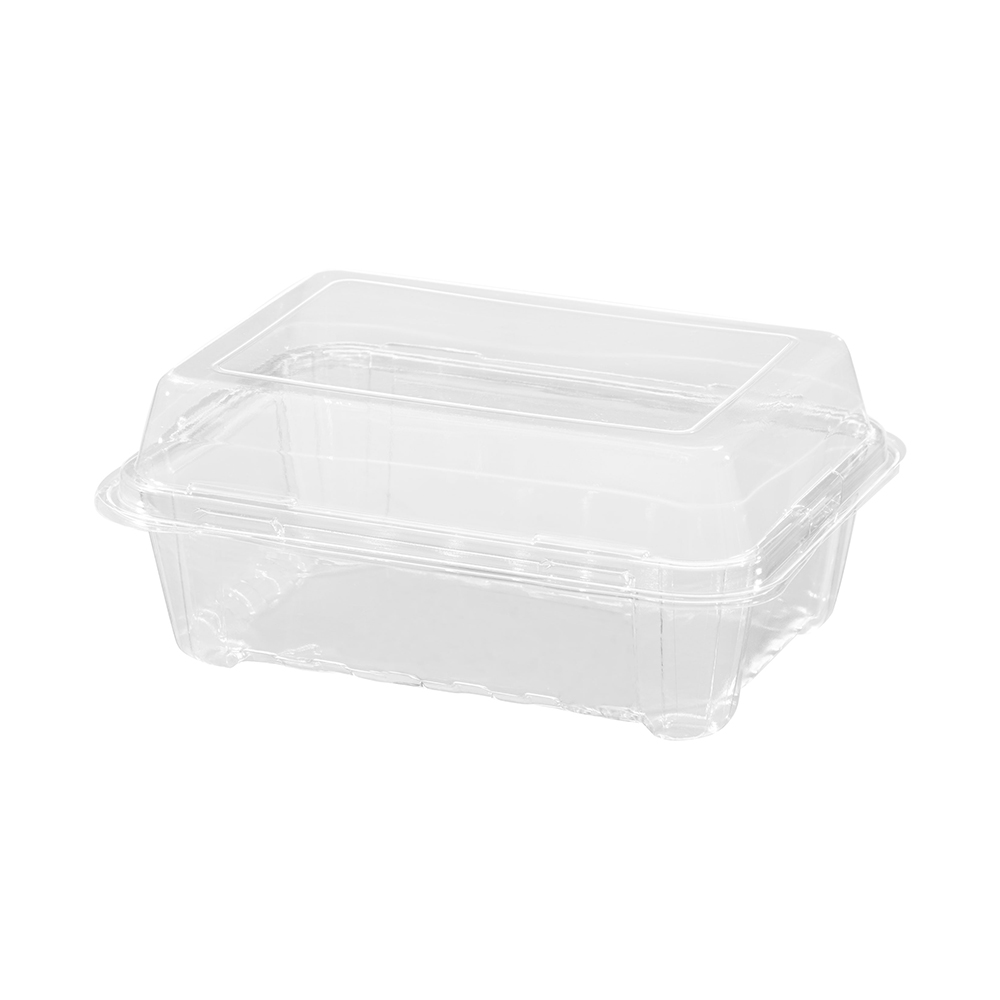
The design evolution of the hinged vegetable and fruit container focuses on user convenience and space optimization. Modern iterations often feature stackable designs, allowing multiple containers to be neatly stored in a refrigerator or cupboard, big vertical space. The hinge itself is a critical component, engineered for smooth operation and long-term durability to withstand daily use. Sizes are varied, with larger hinged vegetable and fruit containers suitable for bulkier items like apples or potatoes, and smaller versions ideal for cherries or sliced leftovers. This versatility makes the hinged vegetable and fruit container a system that can accommodate diverse household needs.
The role of the hinged vegetable and fruit container is likely to become more integrated with smart kitchen technology. Future developments could include containers with simple freshness indicators or humidity-regulating lids that actively respond to the contents. The core principle, however, will remain: providing a simple, reusable, and effective barrier against premature spoilage. As awareness grows regarding the environmental impact of food waste and packaging, the adoption of the hinged vegetable and fruit container is poised to continue, cementing its status as a thoughtful tool for managing fresh food in the contemporary household, promoting both economy and environmental responsibility.