en
en English
 中文简体
中文简体 Español
 Deutsch
In homes and restaurants alike, the humble salad bowl is experiencing a notable renaissance, reaffirming its status as more than just a piece of serveware. The contemporary salad bowl serves as a functional canvas for culinary creativity, a facilitator of shared dining experiences, and a symbol of a mindful approach to eating. This renewed interest is driven by evolving food trends that emphasize fresh, plant-based ingredients, visual presentation, and communal meals, making the choice of the right salad bowl a consideration of both aesthetics and practicality.
The material and design of a modern salad bowl significantly influence its use and appeal. Traditional materials like polished wood, ceramic, and glass remain popular for their classic warmth and sturdiness. However, newer options are gaining traction. Lightweight, durable composite materials and sustainably sourced bamboo are chosen for everyday use, while handcrafted, artisanal bowls in unique glazes or finishes are sought after for special occasions. The ideal salad bowl is often wide and shallow rather than deep, providing ample surface area for gently tossing leafy greens with dressings and toppings without bruising the ingredients, ensuring every bite is evenly coated.
The functional role of the salad bowl has expanded in parallel with global culinary trends. It is no longer reserved solely for simple green salads. Today's salad bowl is just as likely to hold elaborate grain bowls, protein-packed combinations with legumes and seeds, or vibrant arrays of roasted vegetables. This versatility makes the salad bowl a central item in the kitchens of those who practice meal-prepping, as a large salad bowl can be used to mix a week's worth of healthy lunches. In social settings, a generously sized salad bowl placed at the center of the table encourages sharing and interaction, embodying a communal and relaxed style of dining that is increasingly favored.
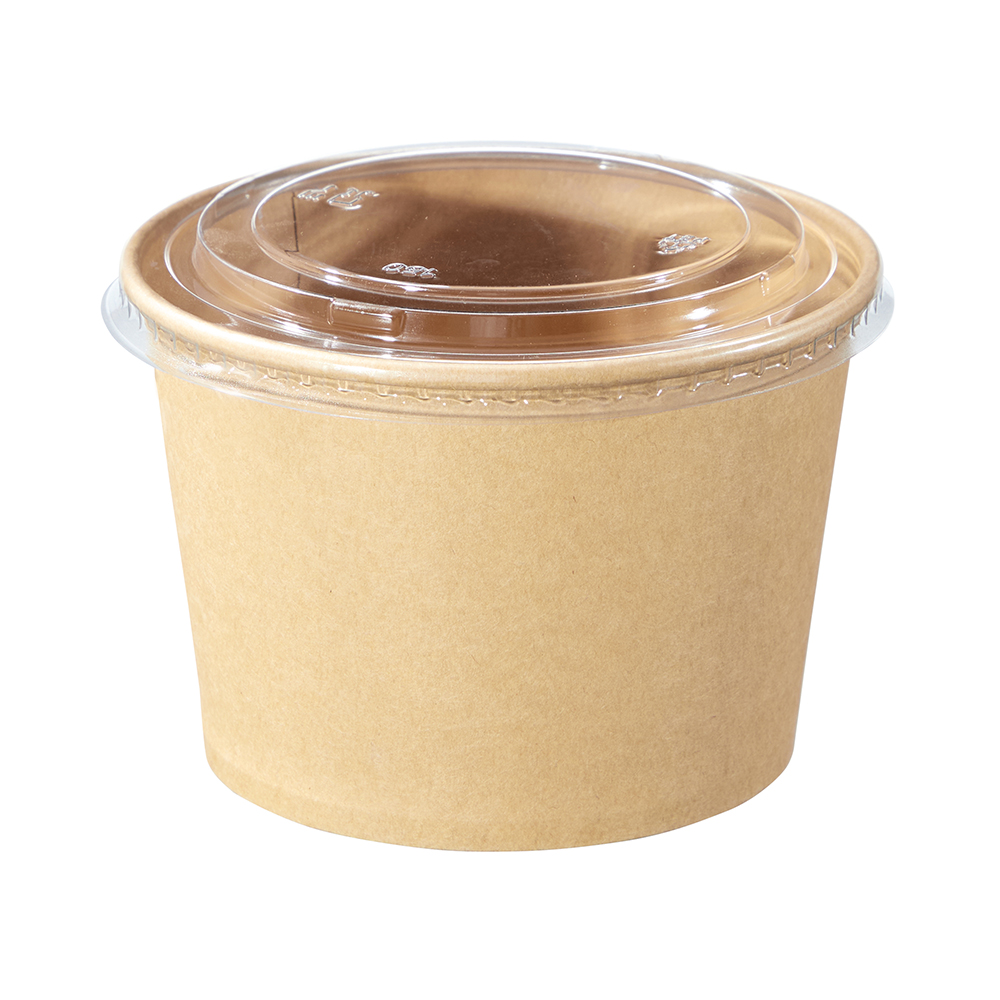
From a design perspective, the salad bowl has become an opportunity for personal expression in kitchen décor. Manufacturers and artisans offer a vast spectrum of styles, from smallist, monochromatic designs that fit a modern aesthetic to rustic, hand-thrown pottery that adds organic texture. The visual appeal of a beautifully composed dish is enhanced when presented in a complementary salad bowl, making the vessel an integral part of the overall dining experience. This has elevated the salad bowl from a purely utilitarian object to a considered element of tabletop styling.
The market reflects this renewed appreciation, with a wide availability of salad bowls to suit various needs and budgets. Retailers report sustained interest in sets that include matching serving utensils, often designed with the bowl's proportions in mind. Its simplicity aligns with a "less processed" cooking philosophy, where fresh ingredients are combined with care directly in the bowl.
The evolution of the salad bowl is likely to follow broader trends in sustainability and multifunctional design. Consumers may show increased interest in materials with a lower environmental footprint and in pieces that are exceptionally durable and timeless. The concept of the salad bowl might also continue to blur with other serveware, such as large pasta bowls or even decorative fruit bowls, emphasizing its role as a versatile, all-purpose vessel. As the cultural focus on fresh, shared, and visually appealing food persists, the salad bowl is poised to maintain its cherished place on the table, continuing its long history as a fundamental yet ever-adaptable component of domestic and professional dining.