en
en English
 中文简体
中文简体 Español
 Deutsch
A distinct segment of the food storage and packaging market is gaining attention with the rising popularity of the hinged vegetable and fruit container. This specialized product category, designed for the organized storage and transport of fresh produce, is seeing increased consumer interest and manufacturing focus. Unlike traditional rigid boxes or single-use bags, the hinged vegetable and fruit container typically features a lidded design connected by integrated hinges, promoting ease of access, improved protection for contents, and an emphasis on repeated use.
The fundamental design of a hinged vegetable and fruit container addresses several practical concerns in household and commercial kitchens. The primary hinge mechanism allows the lid to be securely opened and closed numerous times without becoming detached or lost. This design is particularly valued for maintaining the freshness of produce by creating a more consistent microenvironment, which can be further enhanced if the hinged vegetable and fruit container incorporates ventilation features or adjustable seals.
Consumer trends toward reducing single-use plastics and small food waste are significant drivers behind the adoption of reusable solutions like the hinged vegetable and fruit container. As awareness grows regarding the environmental impact of disposable packaging, households are seeking durable alternatives for daily use. A well-made hinged vegetable and fruit container, often constructed from materials like polypropylene, tempered glass, or stainless steel, is viewed as a long-term investment for sustainable kitchen management. Its reusable nature aligns with a broader shift towards conscious consumption, where the functionality of a hinged vegetable and fruit container supports both organizational goals and environmental values.
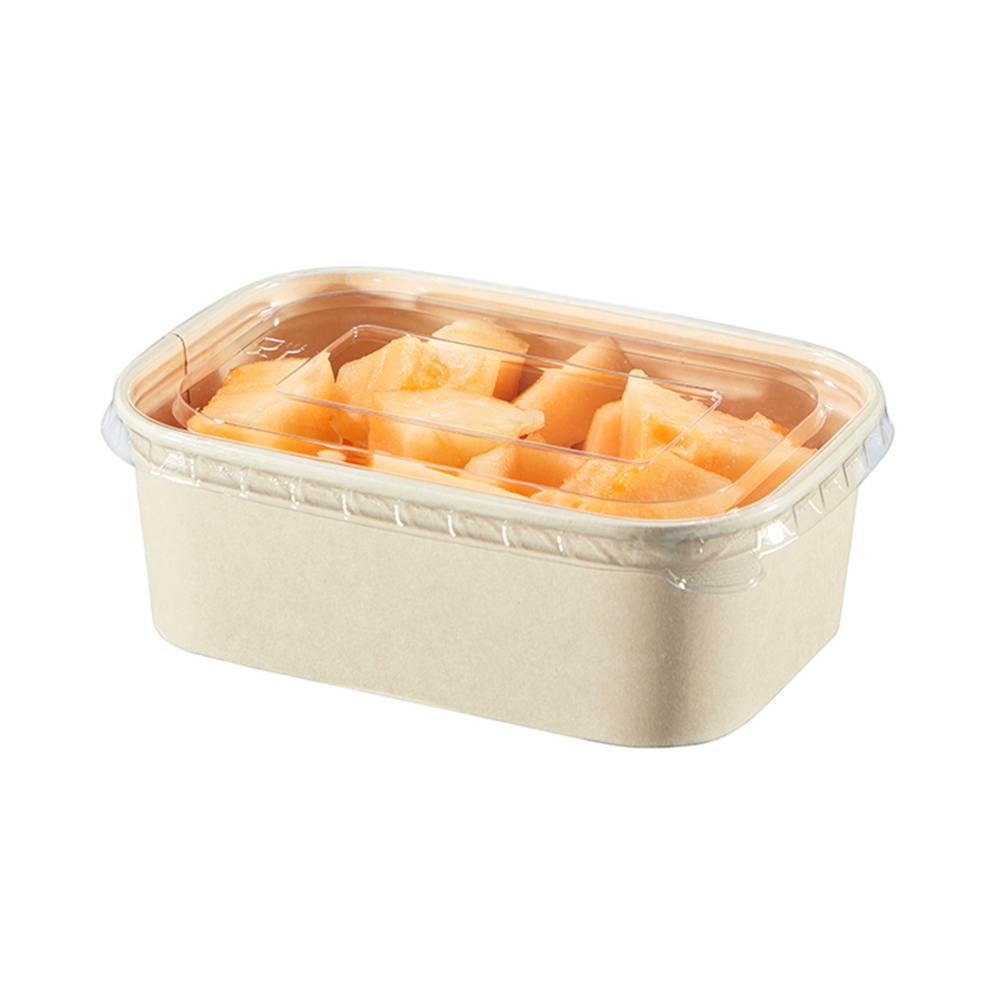
From a manufacturing and design perspective, the development of an effective hinged vegetable and fruit container involves careful consideration. Engineers focus on the durability of the hinge itself, ensuring it can withstand repetitive use over time without failure. Material safety is paramount, especially for containers intended for direct food contact, requiring the use of food-grade, non-toxic substances. Many modern iterations of the hinged vegetable and fruit container also prioritize stackability for efficient space savings in cupboards and refrigerators, and clarity in material to allow for easy visual identification of contents without opening.
The commercial application of the hinged vegetable and fruit container extends beyond the home. Some food retailers and subscription services are exploring the use of standardized, returnable containers for fresh produce delivery. In such systems, a durable hinged vegetable and fruit container could be used to transport goods to the consumer, who would then return the empty container for cleaning and reuse. This potential application highlights the role a robust hinged vegetable and fruit container could play in circular supply chain models, aiming to reduce packaging waste at the retail level.
The market for the hinged vegetable and fruit container is likely to evolve alongside material science innovations and user habit studies. Future designs may integrate smarter features, such as built-in freshness indicators or improved moisture control elements within the hinged vegetable and fruit container. The ongoing challenge for producers will be to balance cost, durability, functionality, and aesthetic appeal to meet diverse consumer expectations. As the conversation around sustainable living and efficient food management continues, products like the hinged vegetable and fruit container are well-positioned to remain relevant, representing a practical response to the everyday need for preserving the quality and extending the life of fresh fruits and vegetables in both domestic and commercial settings.