en
en English
 中文简体
中文简体 Español
 Deutsch
The humble salad bowl, a staple item in kitchens and dining establishments worldwide, is undergoing a quiet yet notable transformation. Far beyond a simple vessel for greens, the contemporary salad bowl is increasingly recognized as a central piece in food presentation, health-conscious meal preparation, and social dining. This evolution reflects broader trends in culinary habits, material innovation, and a growing appreciation for meals that are both visually appealing and nutritionally balanced.
Traditionally viewed as a utilitarian object, the salad bowl today serves multiple functions. Its primary role remains the practical mixing and serving of salad ingredients. However, the design and material of the salad bowl now contribute significantly to the overall dining experience. A thoughtfully chosen salad bowl can enhance the visual appeal of fresh vegetables, grains, and proteins, turning a simple meal into an inviting centerpiece. In both home kitchens and professional settings, the selection of a particular salad bowl—be it wide and shallow for easy tossing, or deep and generous for family-style sharing—is often a deliberate choice that supports the style of meal being served.
The materials used to craft a salad bowl have diversified considerably. While classic materials like wood, ceramic, and glass remain popular for their aesthetic and functional qualities, newer composites and sustainably sourced options are gaining attention. A wooden salad bowl, for instance, is often prized for its natural look and perceived ability to enhance flavors, while a durable, non-porous composite salad bowl might be favored for its ease of cleaning and dishwasher safety. This variety allows consumers to select a salad bowl that aligns with their usage patterns, aesthetic preferences, and practical needs, from casual weekday lunches to more formal entertaining.
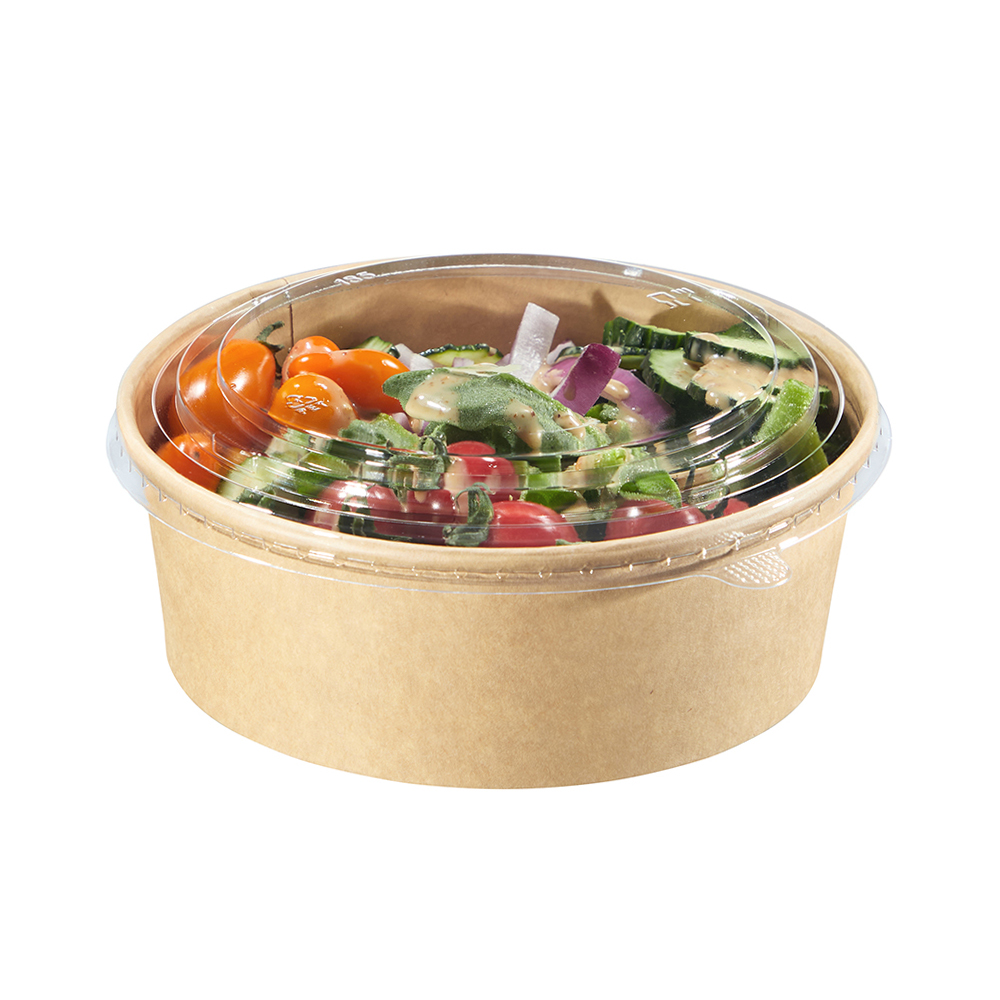
The rise of home cooking and an increased focus on incorporating fresh vegetables into daily diets have further solidified the importance of the salad bowl. For individuals managing their nutrition, preparing meals in a large salad bowl is a convenient method for creating substantial, single-serving meals or side dishes for several days. The act of assembling diverse ingredients directly in a salad bowl encourages culinary creativity and simplifies the process of building balanced meals. Furthermore, the social aspect of sharing food from a communal salad bowl continues to hold appeal, making it a fixture in gatherings that emphasize fresh, shared dishes.
From a commercial perspective, the demand for the salad bowl influences product design and retail offerings. Manufacturers are responding with bowls that feature integrated portions for dressings, non-slip bases, and designs optimized for both storage and display. The market accommodates a wide range, from budget-friendly basic models to artisanal, handcrafted salad bowl pieces considered works of functional art. This segmentation shows that the salad bowl is not merely a tool but an accessory that reflects personal or establishment style.
The trajectory for the salad bowl appears aligned with enduring trends in health, sustainability, and mindful consumption. Future developments may see further innovation in materials, particularly those with extended durability or a reduced environmental footprint from production to disposal. Designs that improve functionality for specific types of salads, such as grain-based or chopped varieties, may also become more refined. As long as salads remain a favored option for nutritious and customizable meals, the salad bowl will maintain its essential role.