en
en English
 中文简体
中文简体 Español
 Deutsch
Hinged vegetable and fruit container has become a standard packaging solution for grocery stores, farmers markets, and meal kit services, offering a convenient way to protect fresh produce while allowing customers to see what they are buying. With its one-piece design and clear construction, a hinged vegetable and fruit container keeps berries, cherry tomatoes, grapes, and other delicate items safe from bruising during transport and handling.
The defining feature of a hinged vegetable and fruit container is its integrated lid. Unlike separate lid and base containers that can become mismatched, the hinged design connects the lid to the base with a flexible living hinge. This single-piece construction eliminates the need to search for a matching lid, speeds up packing, and reduces the chance of the lid being lost or improperly sealed. The hinge allows the lid to open fully for easy filling and close securely with a snap.
The ventilation of a hinged vegetable and fruit container is critical for produce freshness. Fresh fruits and vegetables continue to respire after harvesting, releasing moisture and gases. Without proper airflow, condensation builds up inside the container, pilot to mold growth and premature spoilage. Quality hinged vegetable and fruit containers feature ventilation holes or slots in the lid, base, or both. The size and number of vents balance airflow with moisture retention, keeping produce fresh longer without drying it out.
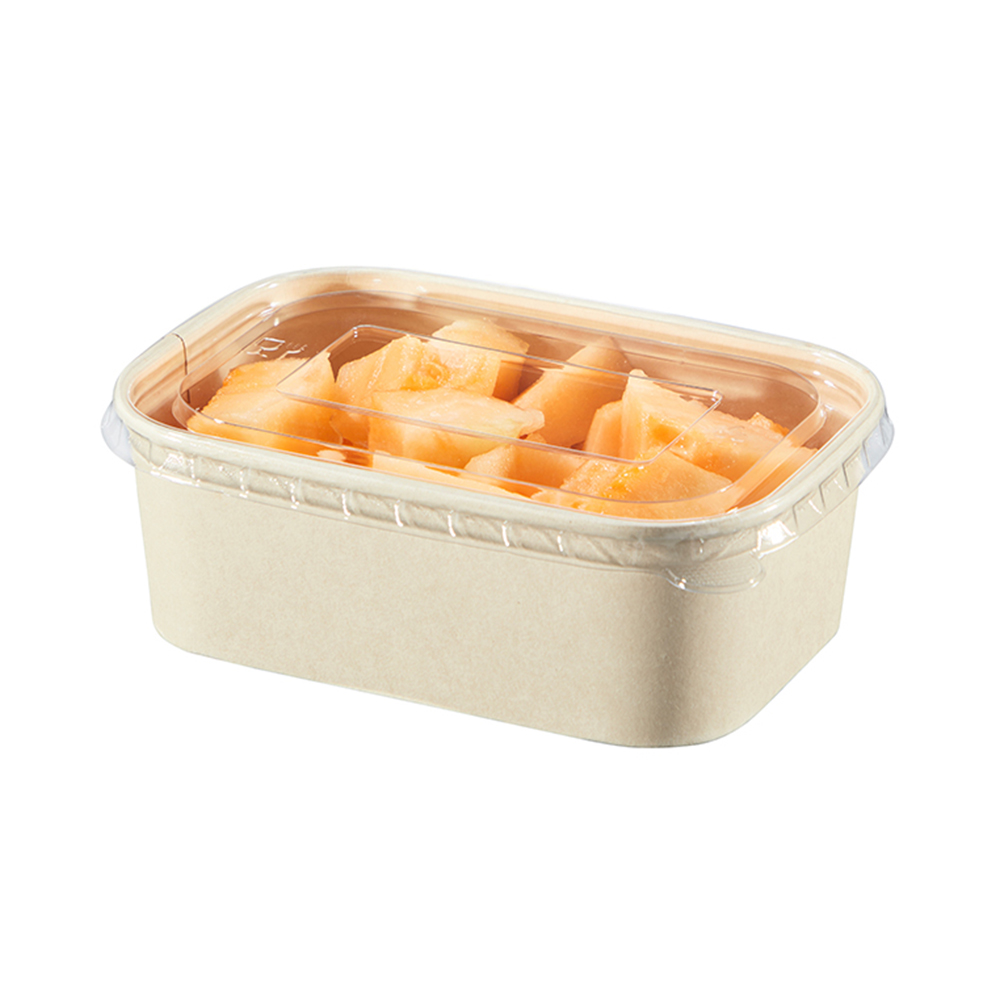
The clarity of the container material affects the customer’s perception of the produce. A clear hinged vegetable and fruit container allows shoppers to see the color, size, and condition of the contents without opening the package. Berries that are bright and firm, tomatoes that are uniformly red, and grapes that are plump are more appealing when visible. The container material should be clear, not cloudy, and should resist scratching that can reduce clarity over time.
The material of a hinged vegetable and fruit container is typically PET or RPET. PET is strong, clear, and recyclable. RPET contains recycled content, appealing to environmentally conscious consumers and businesses. Both materials are approved for food contact and do not affect the taste or safety of the produce. Some containers use PP, which is more flexible and heat-resistant but less clear than PET. The material choice should balance clarity, strength, and sustainability goals.
The size range of hinged vegetable and fruit containers matches common produce portions. Small containers of 4 to 8 ounces hold a single serving of berries or cherry tomatoes. Medium containers of 12 to 16 ounces hold a pint of strawberries or a small clamshell of mixed greens. Large containers of 24 to 32 ounces hold a quart of grapes or a bulk pack of produce. The container should be sized to the typical purchase quantity, small empty space that allows produce to shift and bruise.
For grocery stores, produce packers, and meal kit services, a hinged vegetable and fruit container delivers practical protection for fresh produce. It shows off the contents, allows airflow to reduce spoilage, and snaps closed securely. From strawberries to snap peas, a hinged vegetable and fruit container keeps produce looking good and staying fresh from packer to plate.