en
en English
 中文简体
中文简体 Español
 Deutsch
Paper salad bowl has become a popular choice for restaurants, takeout shops, and event caterers looking for an eco-friendly way to serve fresh greens and grain bowls. Unlike plastic or foam containers, a paper salad bowl is made from renewable resources and can be composted or recycled after use, appealing to environmentally conscious consumers.
The primary advantage of a paper salad bowl is its environmental profile. The paper fibers come from responsibly managed forests or recycled content. After use, a paper salad bowl can be placed in a compost bin, where it breaks down into organic matter within weeks or months, depending on the facility. For communities without composting, the bowl can be recycled if it is clean and free of food residue. This end-of-life options give paper salad bowls an advantage over single-use plastic containers that persist in landfills for centuries.
The construction of a paper salad bowl involves more than just paper. The bowl is typically made from paperboard, a thicker, more rigid form of paper. To prevent the bowl from becoming soggy from salad dressing or moist ingredients, many paper salad bowls have a thin coating on the inside. Traditional coatings used polyethylene plastic, which makes the bowl water-resistant but not compostable. Newer coatings use water-based or plant-based materials that are both water-resistant and compostable. Buyers seeking a fully compostable paper salad bowl should look for products labeled as such.
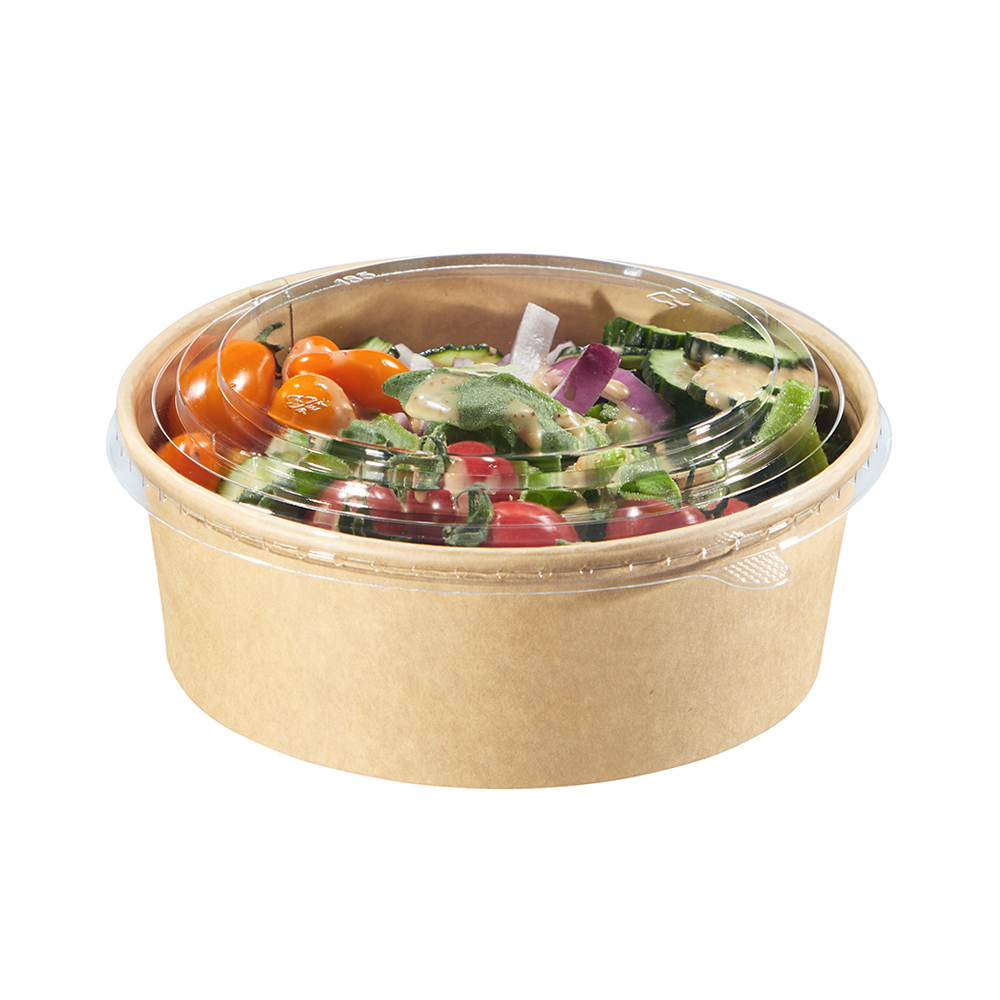
The strength of a paper salad bowl is important for practical use. A bowl that collapses when filled with heavy ingredients or that leaks dressing onto the customer’s hands is not acceptable. Quality paper salad bowls are designed with reinforced rims and sturdy sidewalls that hold their shape when filled. The bowl should be able to support the weight of a generous serving of salad, including dense ingredients such as chickpeas, cheese, and grilled chicken. The bottom of the bowl should be flat and stable, preventing tipping.
The size range of paper salad bowls accommodates different serving needs. Small bowls of 8 to 12 ounces are suitable for side salads or kids’ meals. Medium bowls of 16 to 24 ounces hold a standard entrée salad. Large bowls of 32 ounces or more are used for shareable salads or for customers with large appetites. The bowl size should match the menu portion to prevent waste from oversized containers or customer dissatisfaction from undersized ones.
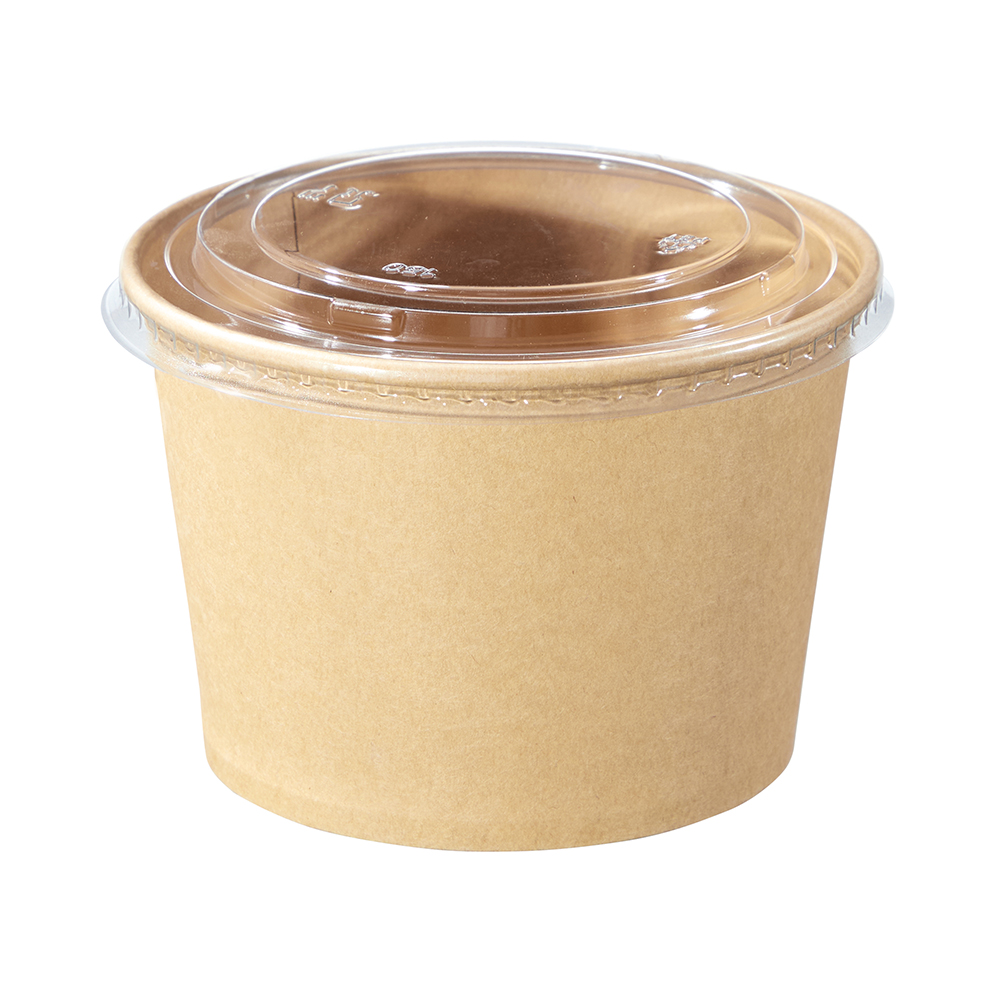
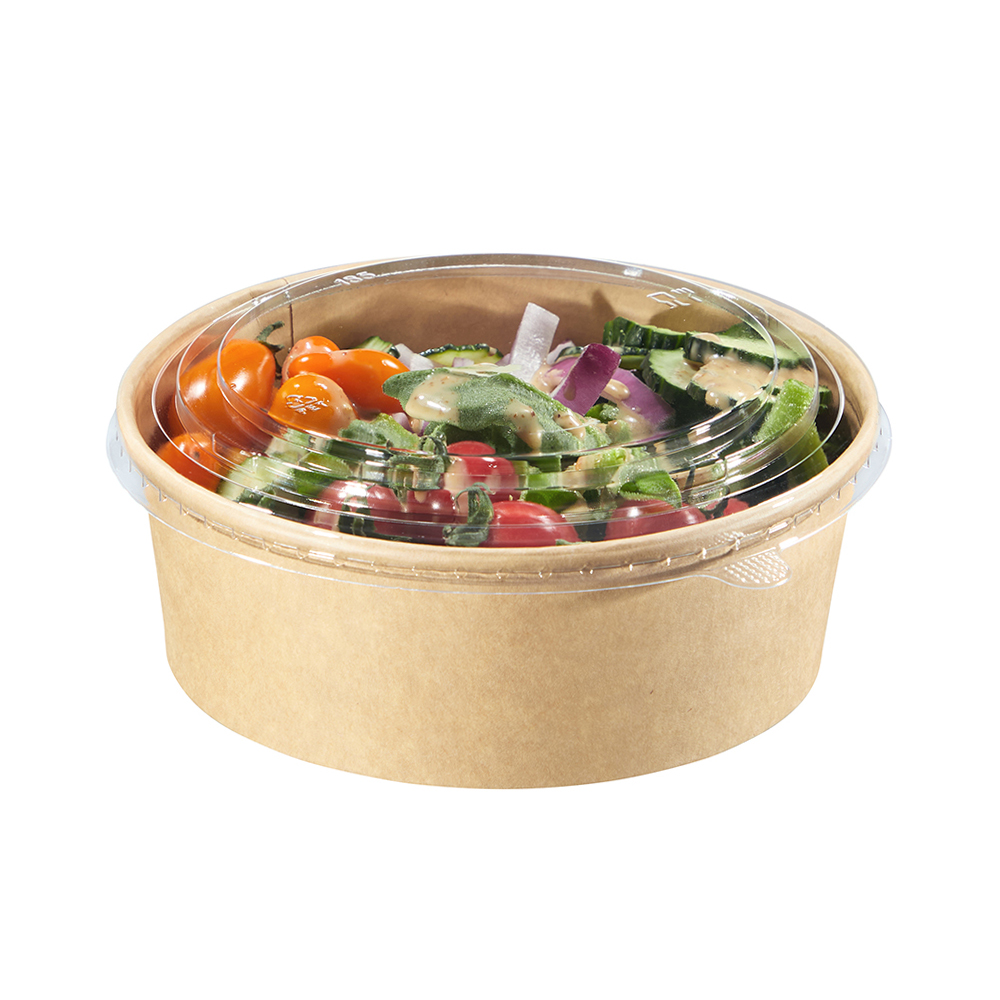
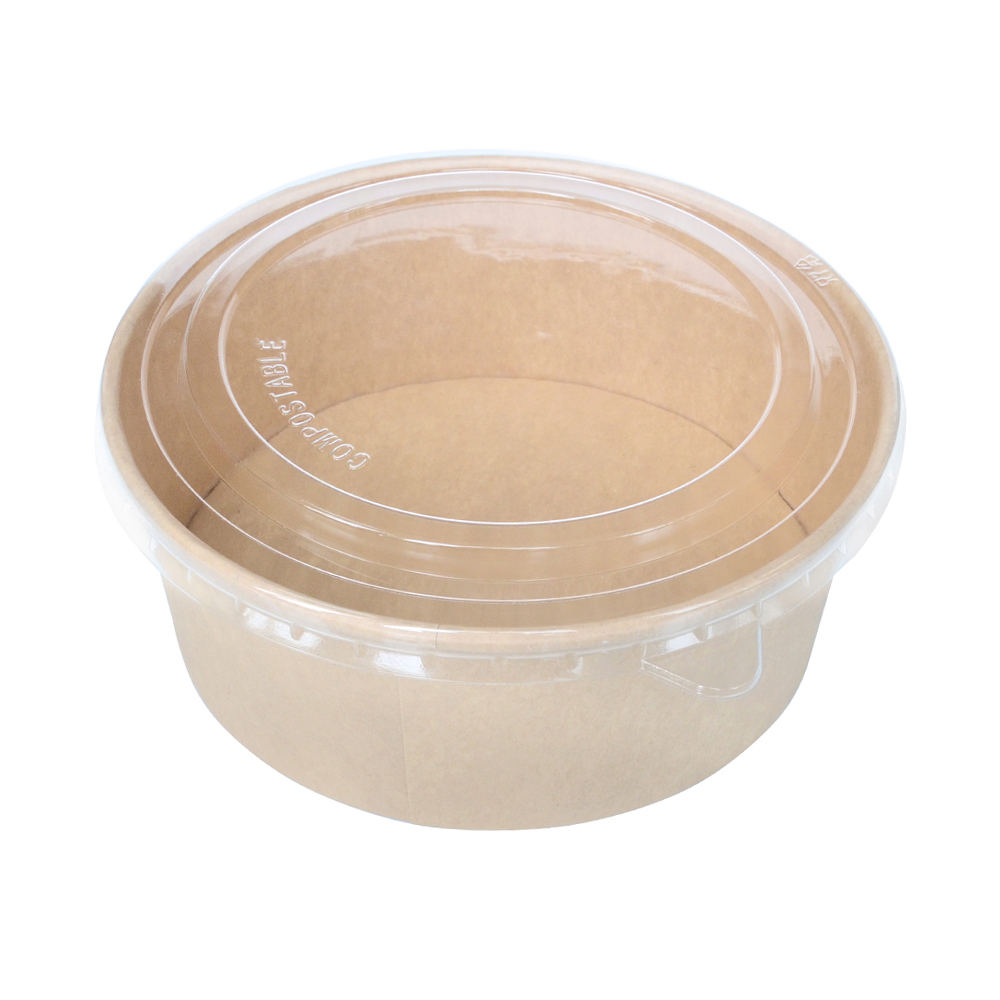
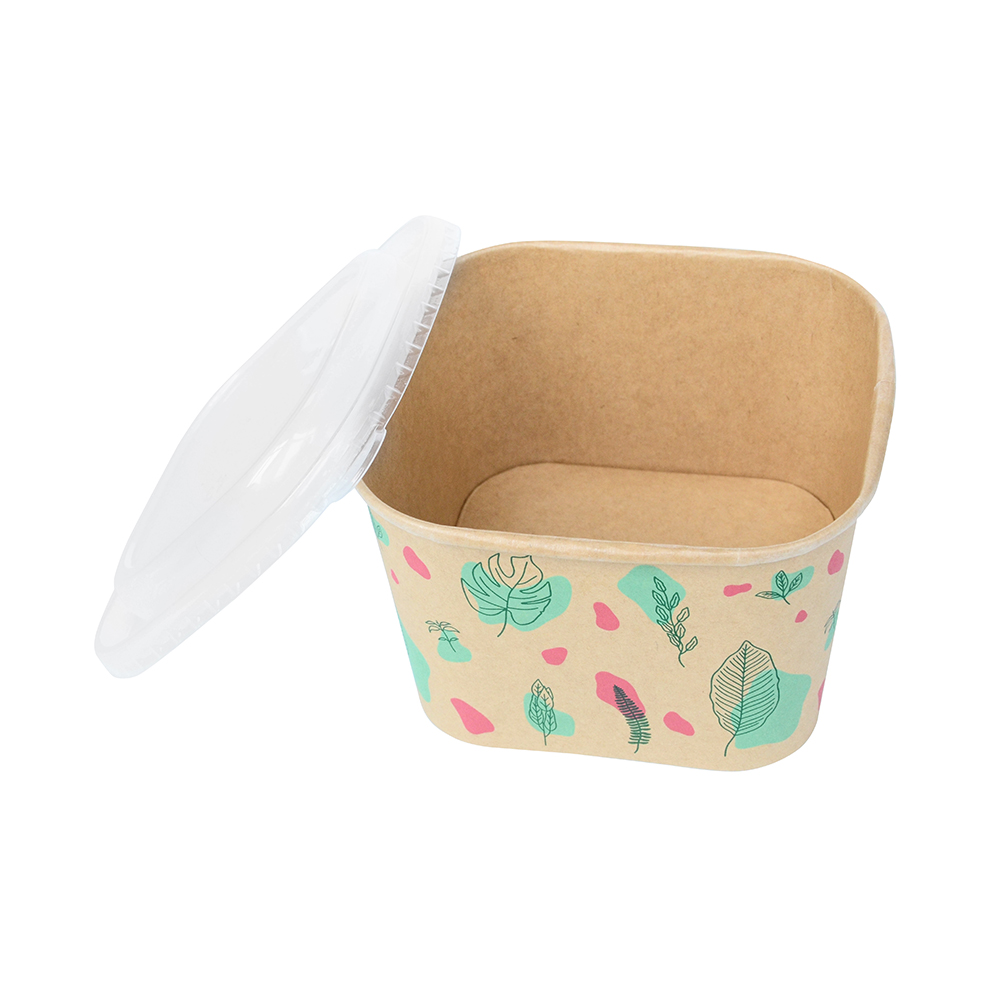
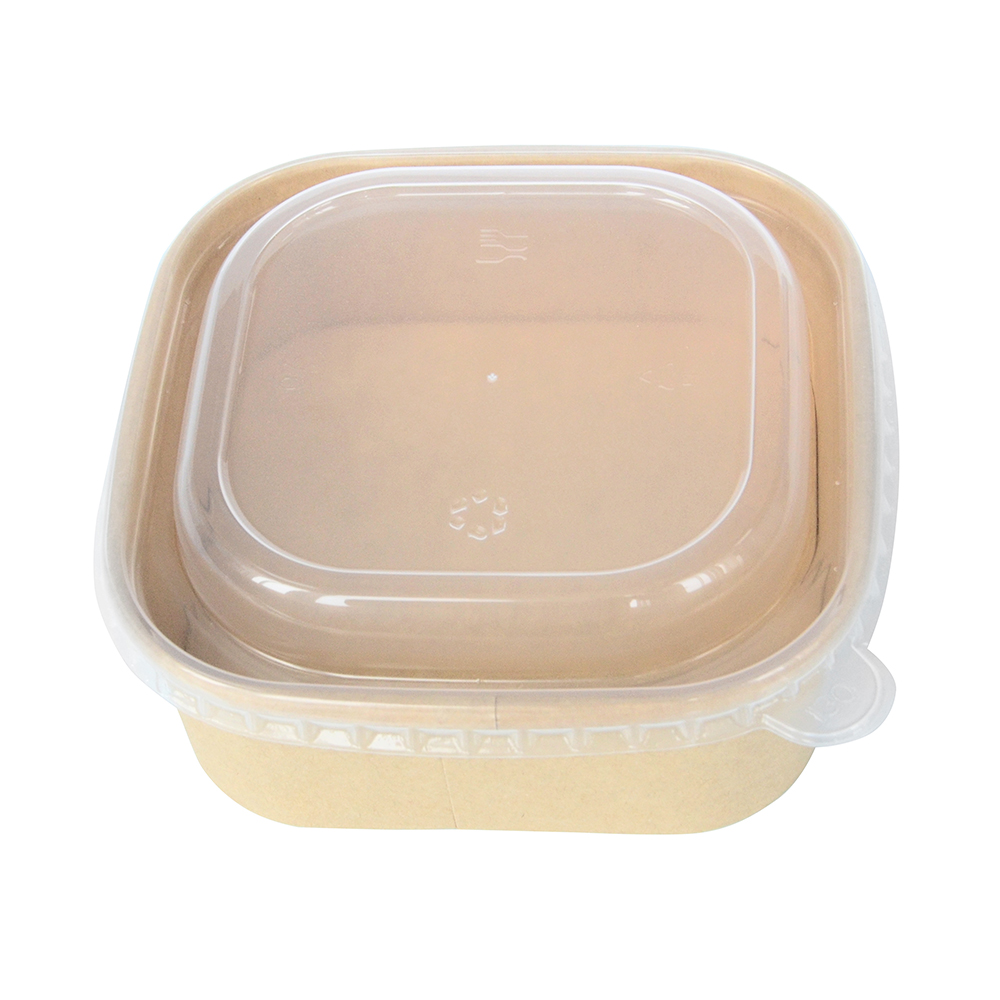
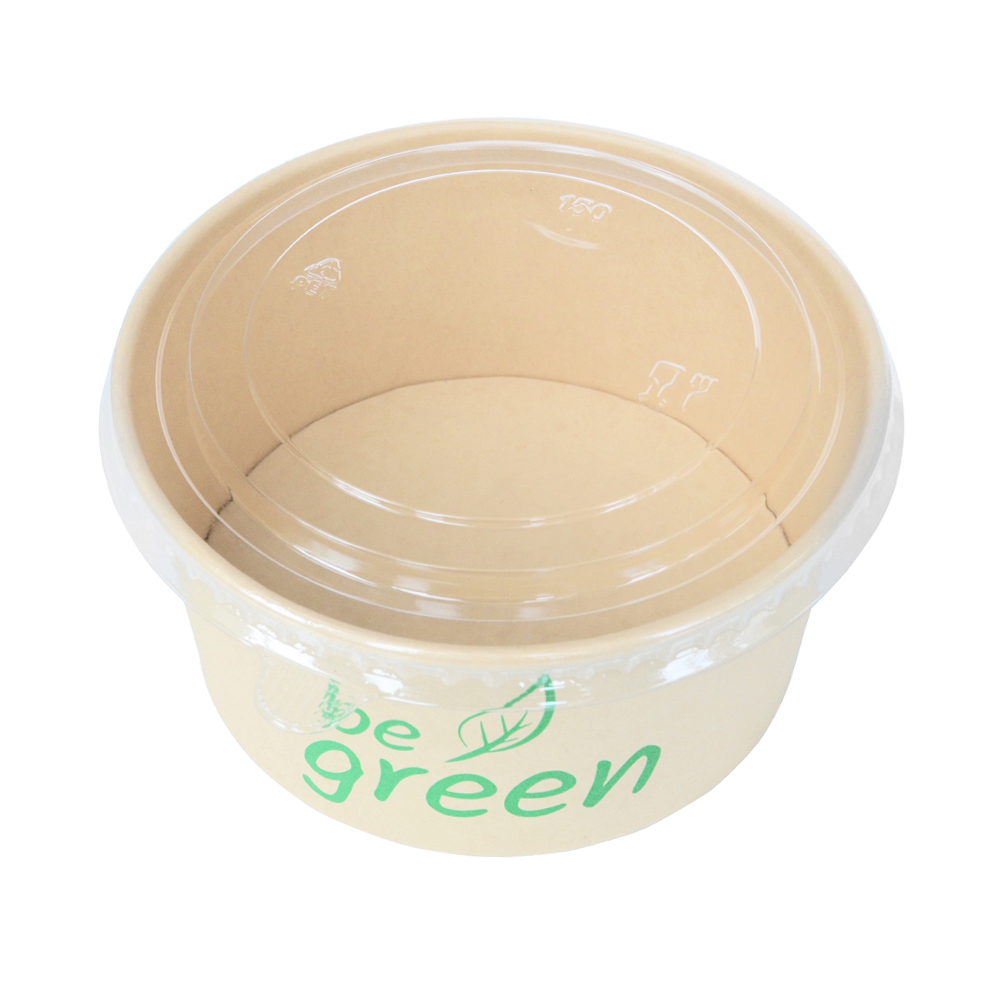
The lid options for a paper salad bowl affect its functionality for takeout. A paper bowl used for dine-in service may not need a lid. For takeout and delivery, a lid is essential to keep the salad fresh and prevent spills. Clear plastic lids are common, allowing the customer to see the contents. Compostable lids made from plant-based materials are available for fully compostable packaging. The lid should snap on securely without being difficult to remove.
For food service operators seeking a more sustainable alternative to plastic, a paper salad bowl offers practical performance with reduced environmental impact. It holds fresh ingredients securely, presents well to customers, and can be composted or recycled after use. From quick-service lunch spots to upscale catered events, a paper salad bowl serves the salad while serving the planet.