en
en English
 中文简体
中文简体 Español
 Deutsch
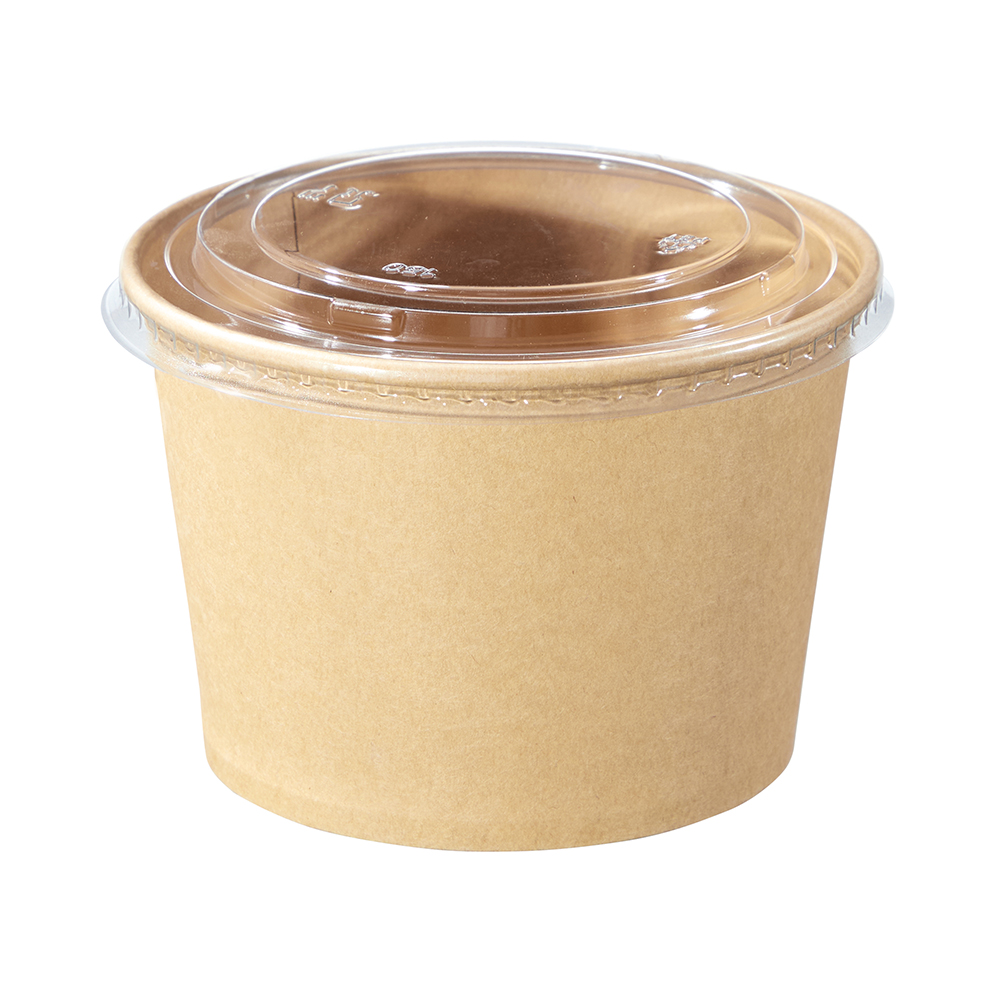
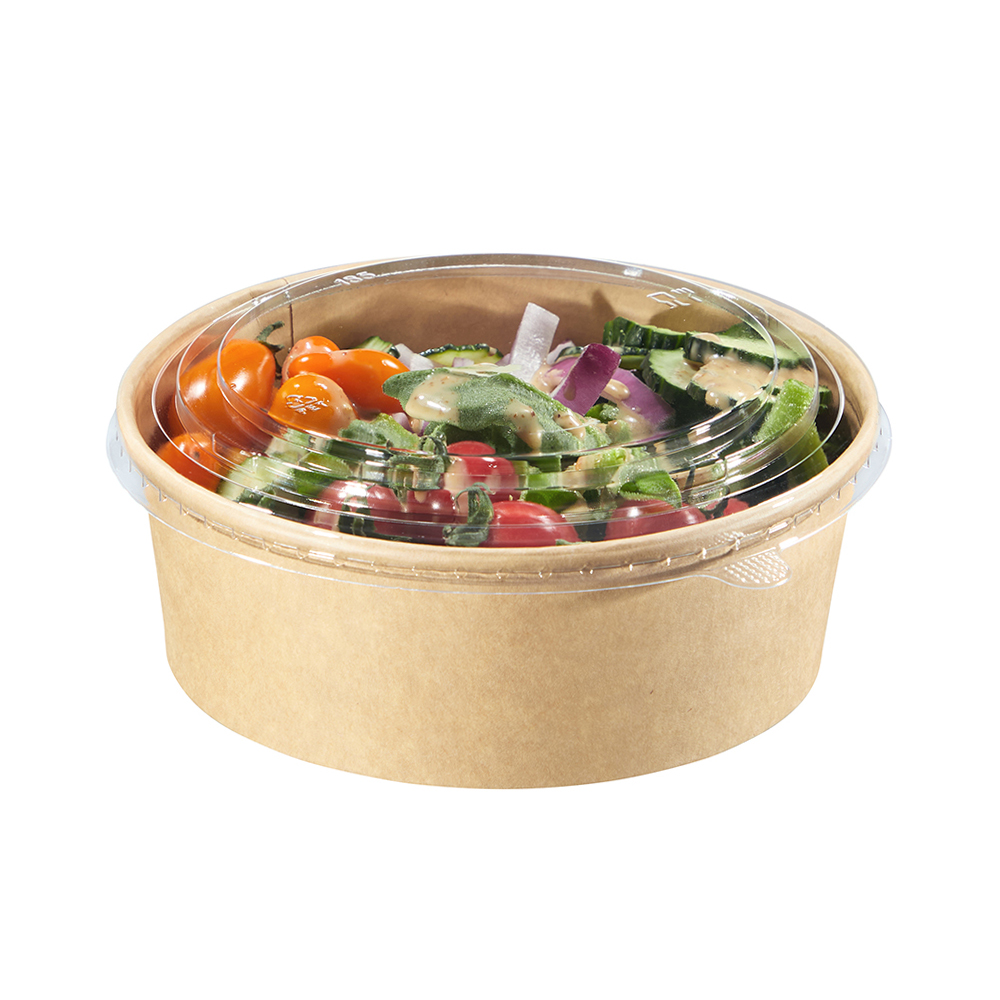
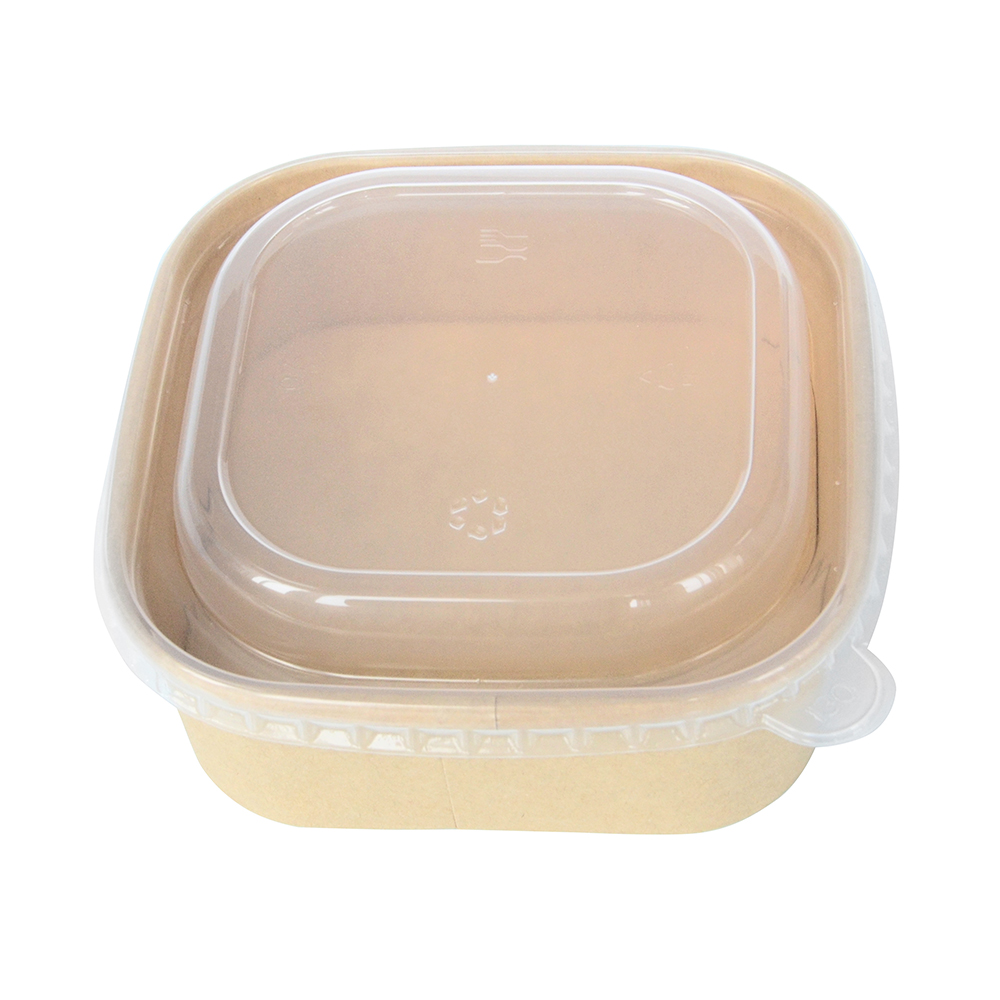
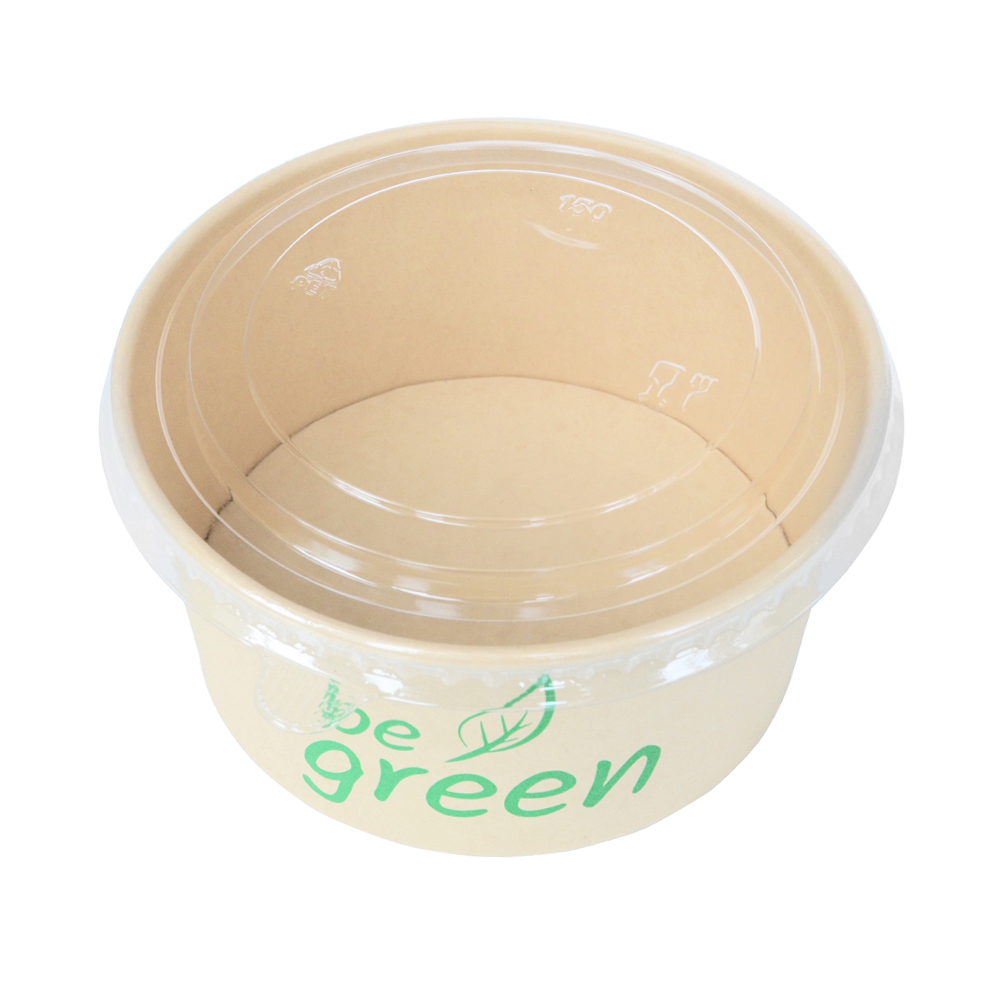
A quiet revolution is taking place in the takeaway and quick-service restaurant sector, centered on a simple yet impactful product: the paper salad bowl. This specific container is rapidly moving from a niche alternative to a mainstream choice for food vendors and caterers, driven by a global push to reduce single-use plastics. The paper salad bowl offers a practical, often compostable, solution for serving fresh, cold foods like salads, grain bowls, and poke, aligning with both environmental goals and consumer preferences for eco-friendlier packaging.
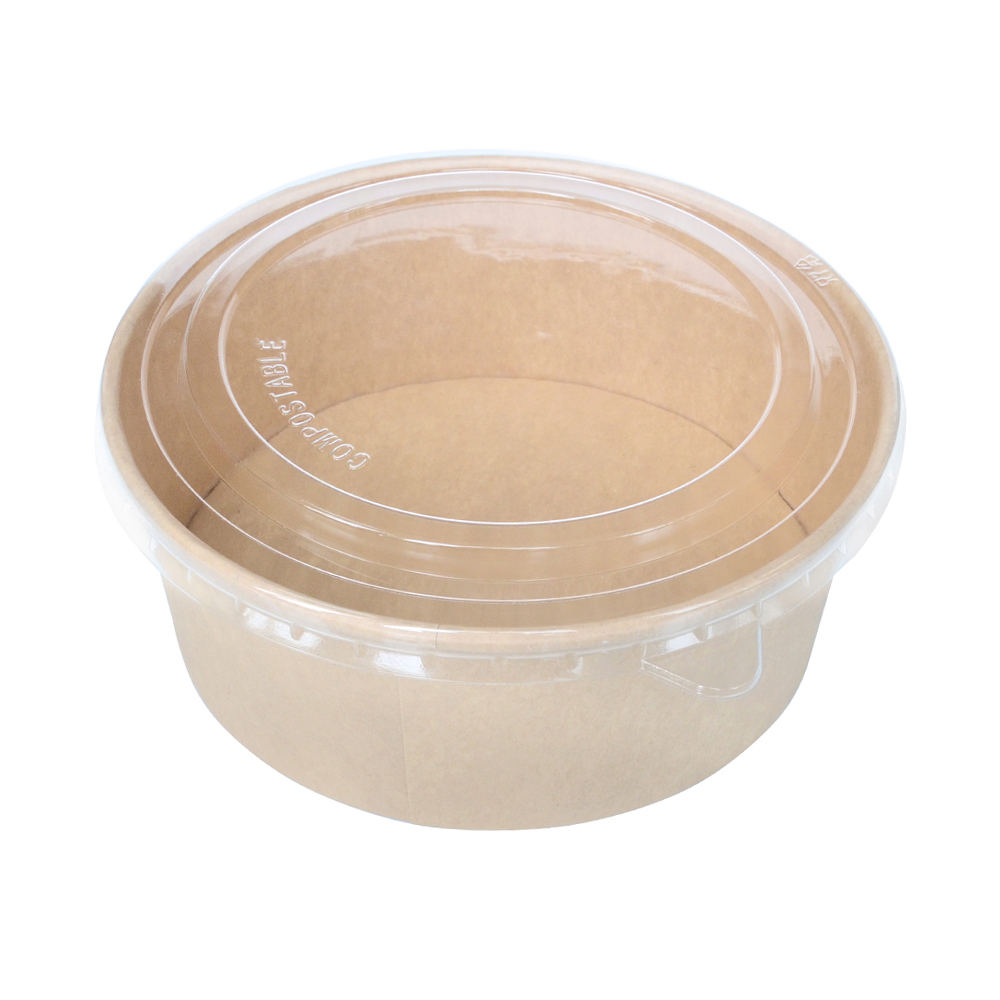
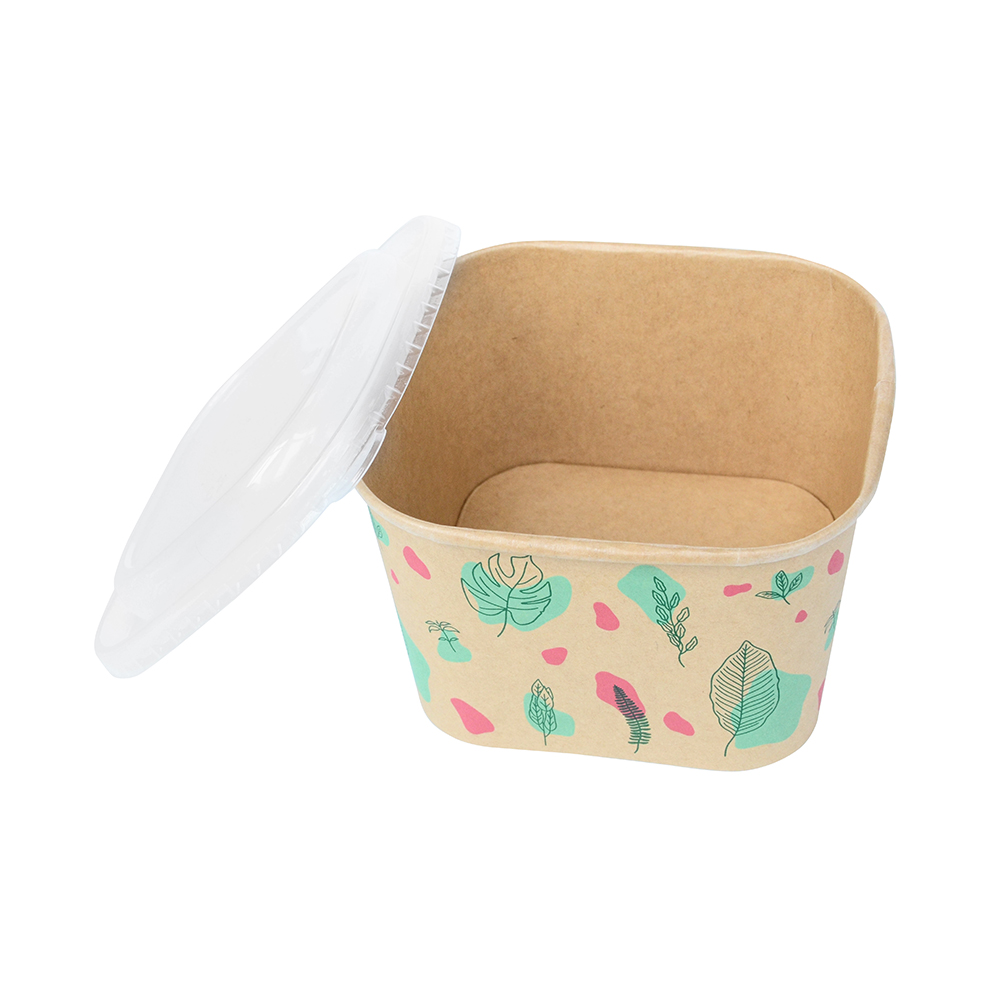
The design and construction of a modern paper salad bowl are crucial to its functionality. Unlike standard paper containers, a quality paper salad bowl is engineered to handle moist ingredients without becoming soggy or losing structural integrity. This is frequently achieved through the use of specialized coatings. Many versions of the paper salad bowl feature a thin, food-safe biodegradable or compostable lining, often made from plant-based materials like PLA (polylactic acid), which provides a necessary moisture barrier. The bowl itself is typically molded from sturdy, often recycled paper pulp or thick, durable paperboard, providing a stable base that prevents tipping and makes for easy, comfortable eating directly from the container.
The environmental appeal of the paper salad bowl is a primary driver of its adoption. In a market increasingly scrutinized for plastic waste, the paper salad bowl presents a more readily recyclable or industrially compostable option, depending on its specific composition. Many municipalities and waste management programs accept plain paper pulp, and certified compostable versions can break down in appropriate facilities. For businesses, switching to a paper salad bowl is a visible demonstration of sustainability commitments, a move that resonates strongly with a growing segment of environmentally conscious customers. This shift is supported by local regulations in many cities that restrict or tax the use of certain plastic food containers, making the paper salad bowl not just a preference but a compliance strategy.
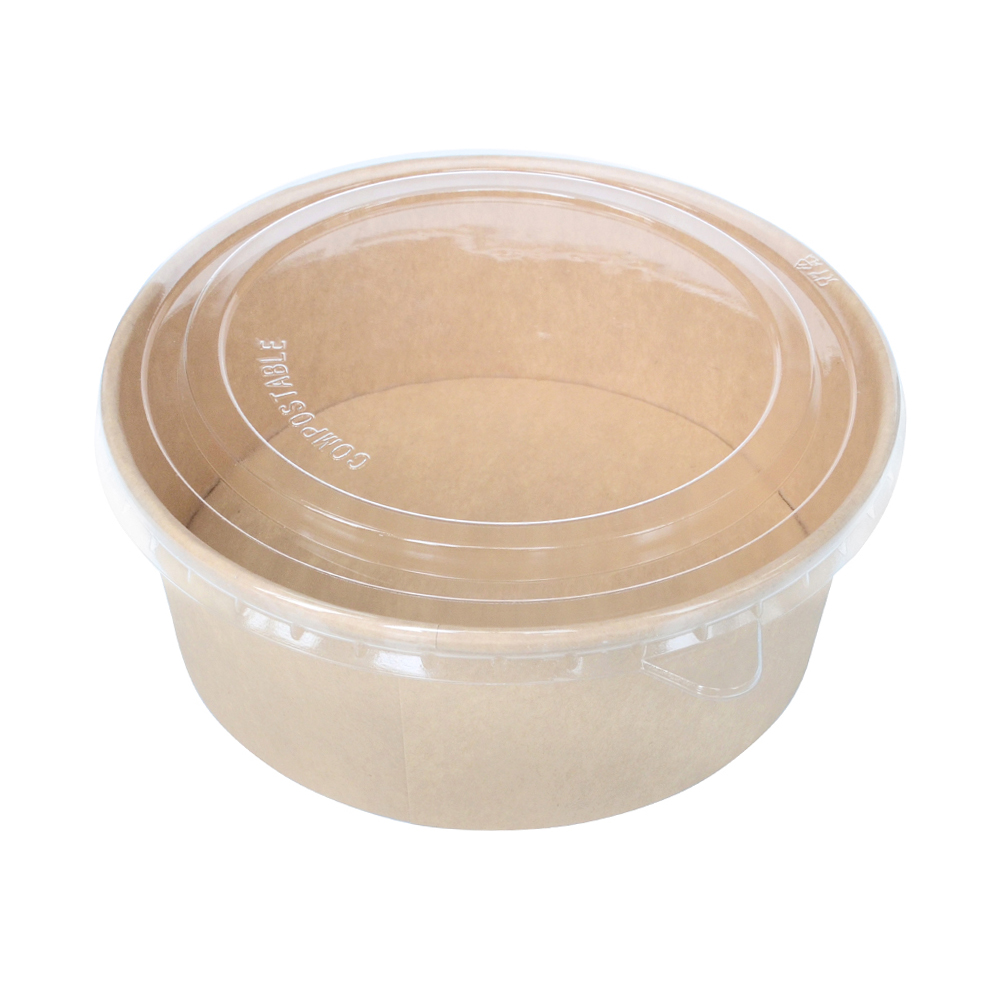
From a user experience perspective, the paper salad bowl also offers distinct advantages. Its natural, matte finish is often perceived as more premium and aesthetically pleasing than glossy plastic, enhancing the visual appeal of the food inside—a key consideration in the age of social media. The material provides good insulation, helping to keep cold salads crisp. Furthermore, the paper salad bowl is generally lightweight and can be easily stacked for storage and transport, benefiting both vendors in their kitchen operations and consumers on the go. Innovations in design include secure, leak-resistant lids that snap on firmly, often also made from compatible paper-based materials, creating a fully plastic-free package.
The trajectory for the paper salad bowl is set toward broader adoption and continued refinement. Future developments may include increased use of post-consumer recycled content, further reduction in the overall material weight without sacrificing strength, and the creation of bowl designs that are easier to flatten for more efficient recycling. As the global food service industry continues to seek viable alternatives to conventional plastic packaging, the paper salad bowl stands out as a successful and scalable example. It effectively balances functional requirements for fresh food with the urgent need for more sustainable consumption patterns, carving out an essential role in the future of food packaging.