en
en English
 中文简体
中文简体 Español
 Deutsch
In the bustling environments of delis, supermarkets, bakeries, and takeaway restaurants, a specific type of packaging is relied upon for its practicality and efficiency: hinged deli containers. These clear, durable containers, featuring a lid permanently attached to the base via a molded plastic hinge, have become a standard for packaging prepared foods, salads, sides, and baked goods. The integrated design of hinged deli containers streamlines operations, ensures secure closure, and provides clear product visibility, making them an indispensable tool for both food service professionals and consumers.
The defining feature of hinged deli containers is their one-piece, hinged construction. The lid and base are manufactured as a single unit, connected by a flexible living hinge. This eliminates the common problem of lost or mismatched lids, saving time and reducing waste in fast-paced service settings. The hinge allows for easy, one-handed opening and closing, and the container typically seals with a simple friction-fit or snap closure around the rim. This secure yet accessible design makes hinged deli containers ideal for items that are frequently opened for sampling, such as deli salads, or for transporting items like soups and sauces where a tight seal is beneficial.
Material and functionality are central to the design of hinged deli containers. They are predominantly made from clear polypropylene or polystyrene, materials chosen for their clarity, durability, and suitability for contact with a wide range of foods. The transparency allows customers to easily see the contents, which is crucial for self-service displays and grab-and-go sales. Hinged deli containers come in a standardized range of sizes, from small cups for condiments to larger quart and half-gallon containers for bulk items, allowing for portion control and inventory management. Their stackability, both when empty and filled, optimizes storage space in coolers and on shelves.
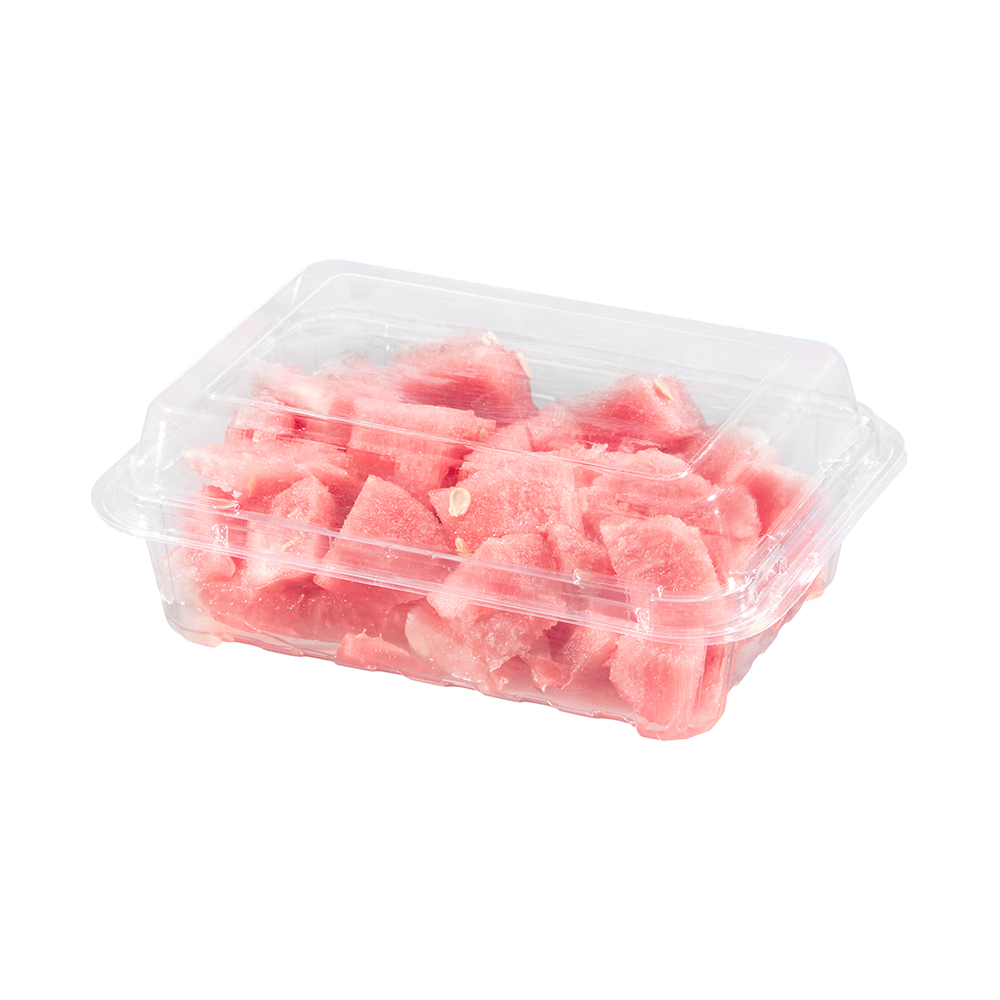
The application of hinged deli containers is extensive within the food service industry. They are the go-to choice for packaging potato salad, coleslaw, pasta salads, and other prepared sides at supermarket deli counters. Bakeries use them for cookies, muffins, and slices of cake. Restaurants utilize them for takeout orders of everything from chili to stir-fry. The versatility and reliability of hinged deli containers have cemented their role in the daily flow of food preparation and sales.
Operational advantages drive the widespread adoption of hinged deli containers. For businesses, their standardized sizing simplifies ordering and pricing. The one-piece design speeds up the packing process during peak hours. For consumers, the containers offer convenience and reusability. However, the environmental impact of single-use plastics has led to increased scrutiny, pushing innovation toward more sustainable versions, such as containers made from recycled content or compostable polymers, though performance and cost considerations remain factors in this transition.
Innovation in the hinged deli containers market is focused on enhancing sustainability without sacrificing the practical benefits that make them so popular. Developments include creating hinged containers from advanced, plant-based bioplastics that offer similar clarity and durability, designing for easier recycling by using mono-materials, and reducing overall plastic weight through stronger, thinner walls. The enduring need for functional, cost-effective, and transparent food packaging suggests that hinged deli containers will continue to evolve, adapting to new environmental standards while maintaining their fundamental role as a reliable and efficient solution for presenting and protecting a vast array of prepared foods.