en
en English
 中文简体
中文简体 Español
 Deutsch
The sushi container has become an essential item in food service packaging for Japanese cuisine. A sushi container is a specially designed box used to hold sushi rolls, nigiri, and sashimi for takeout or delivery. Unlike standard food containers, a sushi container includes compartments that separate different types of sushi pieces. A typical sushi container is made from clear plastic, black plastic, or biodegradable materials. The size of a sushi container varies from small single-serving boxes to large platters for group meals. The design of a sushi container focuses on preserving the appearance and freshness of the contents.
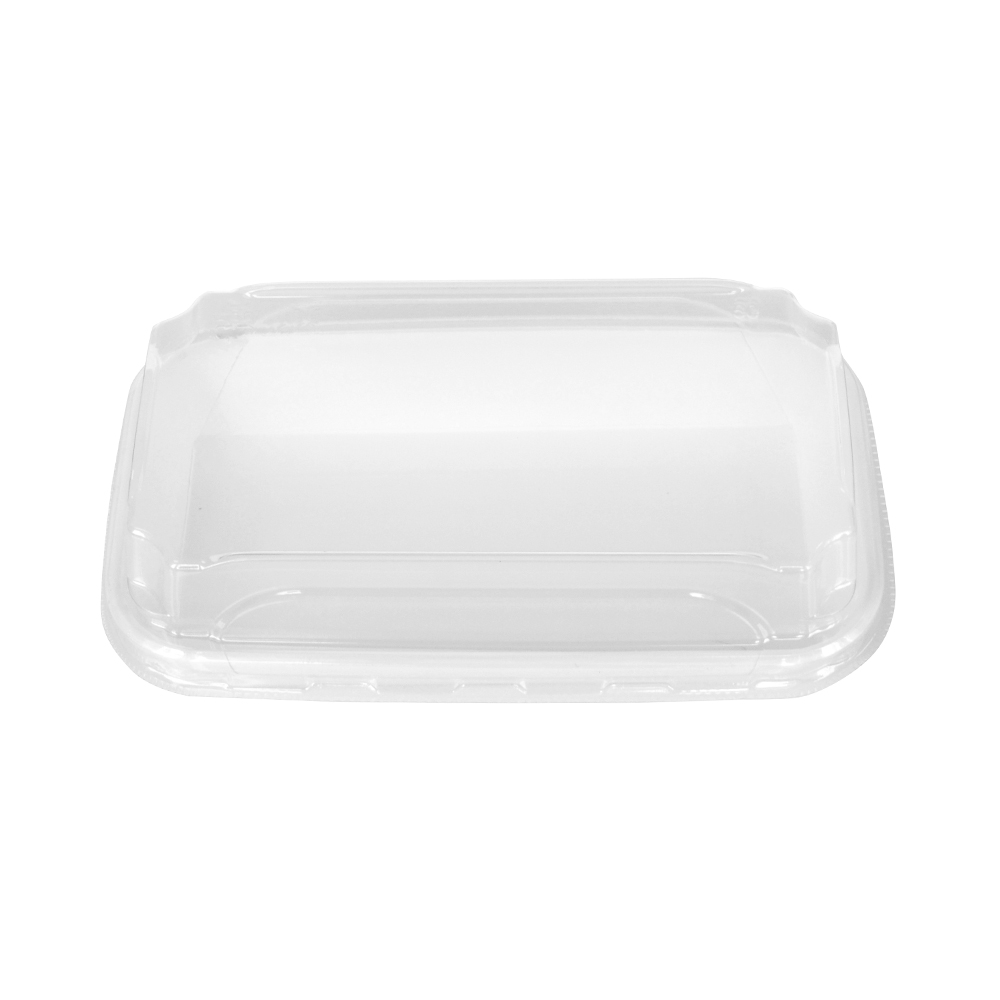
The construction of a sushi container involves several practical features. The base of a sushi container has molded sections that hold each piece in place. These compartments prevent sushi rolls from rolling around during transport. A lid on the sushi container snaps shut to create a sealed environment. Some versions of the sushi container include a separate small compartment for soy sauce. Another section of the sushi container may hold wasabi and pickled ginger. The lid of a sushi container is often clear, allowing customers to see the contents without opening the box.
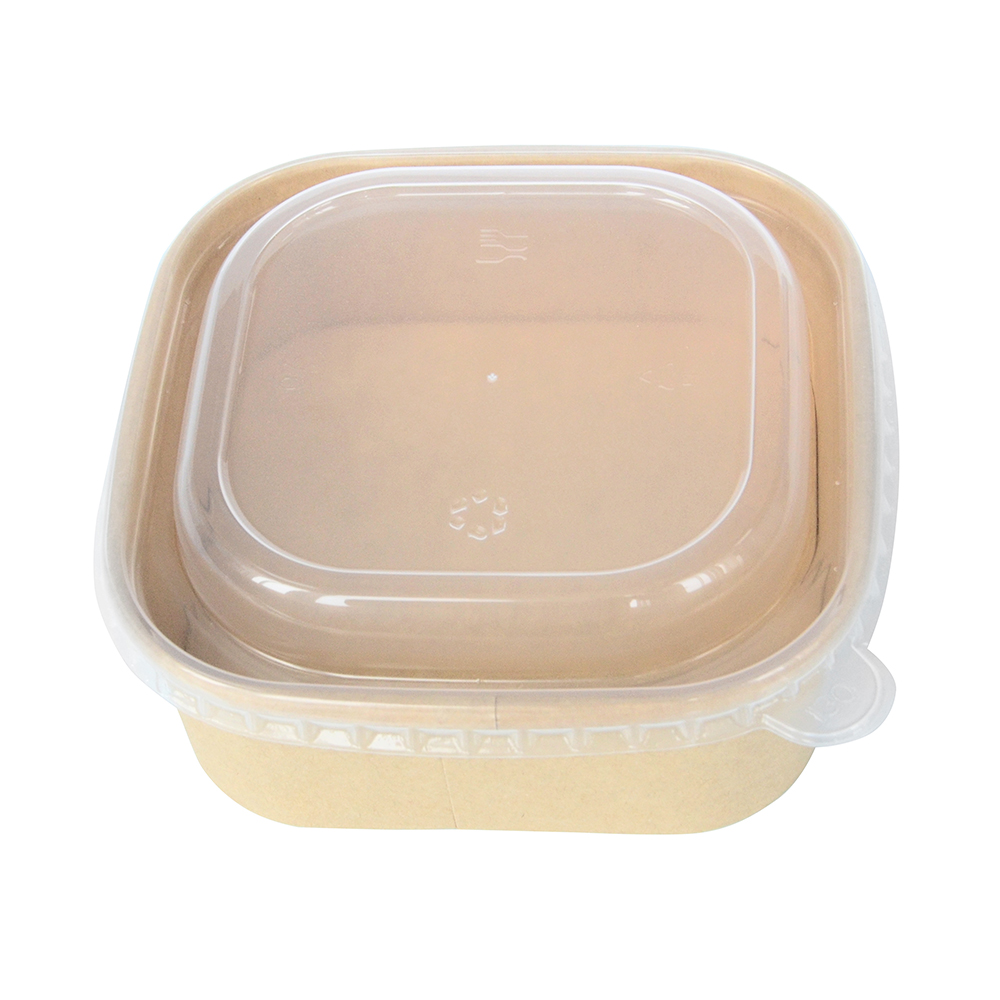
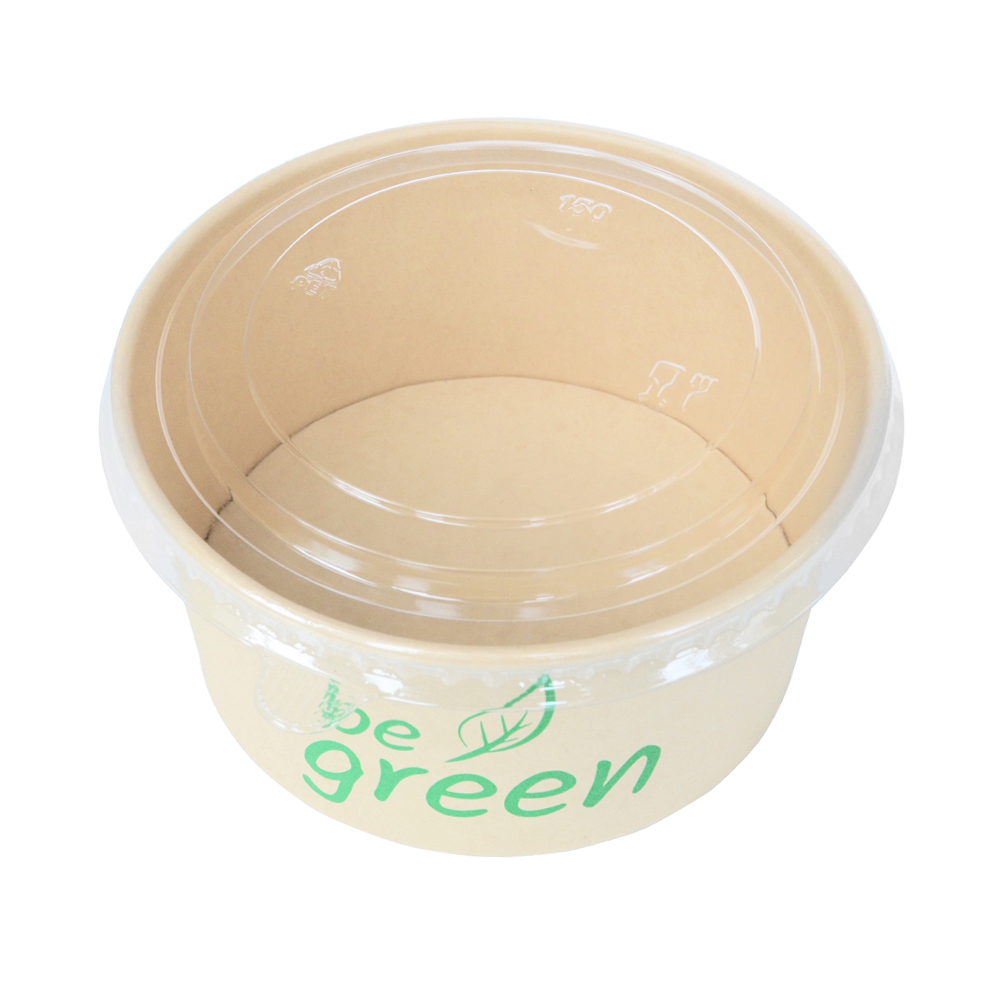
The material choice for a sushi container affects both function and environmental impact. Plastic sushi container options are lightweight and transparent, showing off the colorful sushi inside. A plastic sushi container provides good protection against crushing during delivery. Some sushi container products use recycled plastic content to reduce waste. Biodegradable sushi container options are made from plant-based materials such as sugarcane fiber. A biodegradable sushi container breaks down under industrial composting conditions. Paper-based sushi container designs offer a natural look but provide less moisture resistance than plastic versions.
The ventilation of a sushi container is an important design consideration. Fresh sushi contains moisture that can condense inside a sealed container. A sushi container with small vent holes allows excess humidity to escape. This venting prevents the sushi rice from becoming soggy inside the sushi container. The nori seaweed wrap on sushi rolls remains crisp longer in a properly vented sushi container. Some sushi container designs use a raised inner tray that lifts the sushi above any collected moisture. This feature of the sushi container keeps the bottom of the rice from getting wet.
The size options for a sushi container match common sushi portion amounts. A small sushi container holds one sushi roll cut into six to eight pieces. A medium sushi container fits two rolls or a combination of nigiri and rolls. A large sushi container can hold three to four rolls along with side items. Some sushi container designs include an extra-deep base for layered sushi presentations. The shape of a sushi container is usually rectangular or square to fit standard takeout bags. Round sushi container versions are less common but appear for special party platters.
The recycling potential of a sushi container varies by material and local facilities. Clear plastic sushi container items are often accepted in curbside recycling programs. Black plastic sushi container products are harder to sort and may go to landfill. Biodegradable sushi container options require commercial composting facilities to break down properly. Consumers should check local guidelines before placing a sushi container in recycling bins. Some sushi shops encourage customers to return clean sushi container boxes for reuse. The sushi container continues to evolve as packaging technology and environmental awareness advance together.