en
en English
 中文简体
中文简体 Español
 Deutsch
The sushi container has become a specialized packaging product for grocery stores, convenience shops, and takeout restaurants. Unlike general-purpose food containers, a sushi container is designed with compartments that separate rolls, sashimi, ginger, wasabi, and soy sauce. Food retailers have selected the sushi container for its ability to present products attractively while maintaining freshness. The compartmentalized design of a sushi container explains its presence in refrigerated deli cases and delivery bags. Manufacturers continue to produce sushi container units in various sizes, tray configurations, and material grades.
Compartment design of a sushi container keeps ingredients separate until consumption. A typical sushi container includes a main well for rice and fish, plus smaller wells for accompaniments. The divider height in a sushi container prevents ginger and wasabi from touching the sushi roll. A sushi container with a separate sauce well holds a small soy sauce packet or cup. The compartment arrangement of a sushi container should match the contents being packaged. A well-designed sushi container presents each component in its own visible section.
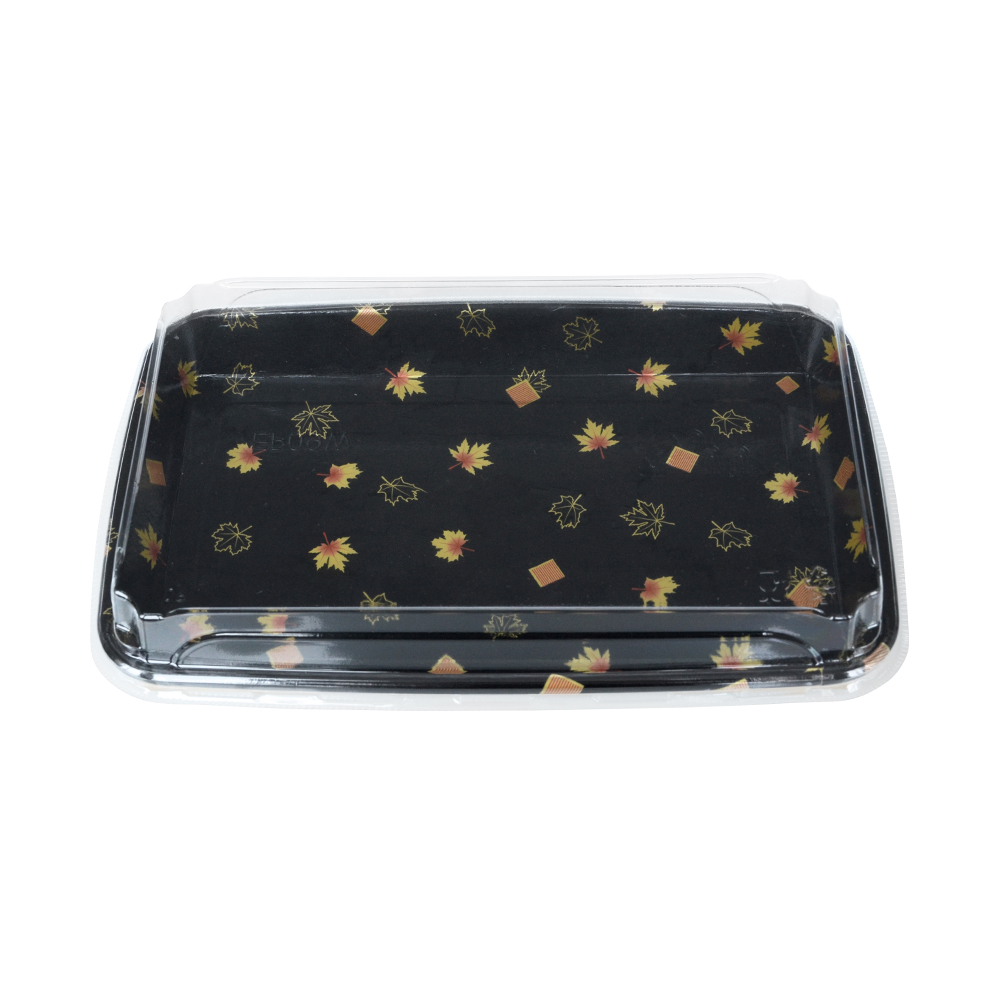
Material selection for a sushi container affects clarity, strength, and temperature performance. A clear PET sushi container offers outstanding visibility for displaying colorful sushi rolls. A black base with clear lid sushi container creates contrast that highlights the food inside. A sushi container made from recycled PET appeals to environmentally conscious retailers. The low-temperature performance of a sushi container matters for refrigerated display cases. A sushi container that becomes brittle at cold temperatures may crack when handled.
Closure types for a sushi container include hinged lids and separate snap-on covers. A hinged sushi container folds closed with the lid attaching to the base at one edge. A two-piece sushi container uses a separate lid that seals around the entire perimeter. A sushi container with a domed lid provides extra height for stacked rolls or garnishes. The closure security of a sushi container affects how well contents stay in place during transport. A sushi container with tamper-evident features shows visible signs of opening.
Venting and condensation management of a sushi container prevent soggy rice and fish. A sushi container with anti-fog treated film maintains clarity in refrigerated cases. The vent hole pattern in a sushi container allows vapor to escape while retaining humidity. A sushi container stored in a refrigerated environment from production to purchase reduces condensation. The airflow inside a sushi container affects how long the rice stays at proper texture. A sushi container with absorbent pads in the base collects excess moisture from fresh fish.
Sizing options for a sushi container match different portion offerings. A small sushi container holds 6 to 8 pieces for individual lunch portions. A medium sushi container accommodates 10 to 12 pieces for sharing. A large sushi container fits 16 to 20 pieces for family or party servings. A rectangular sushi container suits long rolls and sashimi slices arranged in rows. A square or round sushi container presents premium sushi assortments for special occasions.
The sushi container will likely incorporate more sustainable materials and improved seal designs. For retailers seeking attractive, functional packaging for fresh sushi, the sushi container offers a proven solution.