en
en English
 中文简体
中文简体 Español
 Deutsch
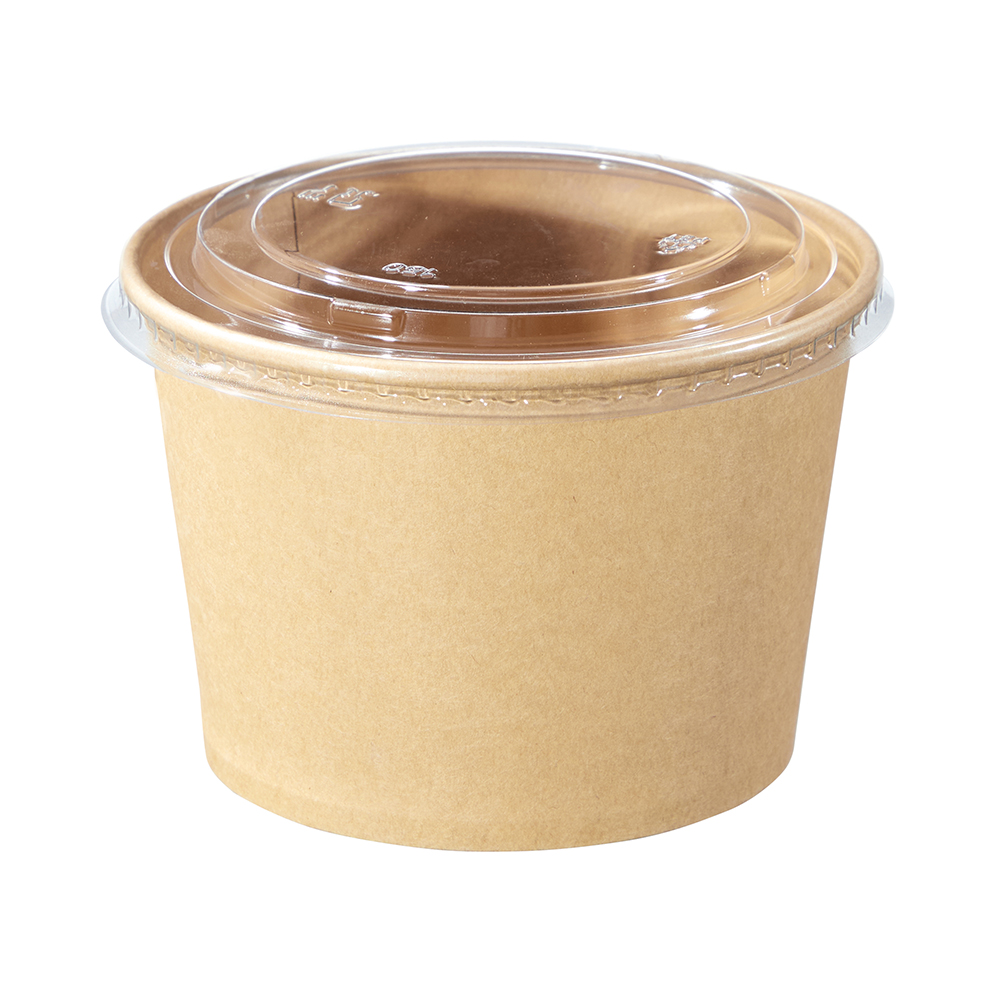
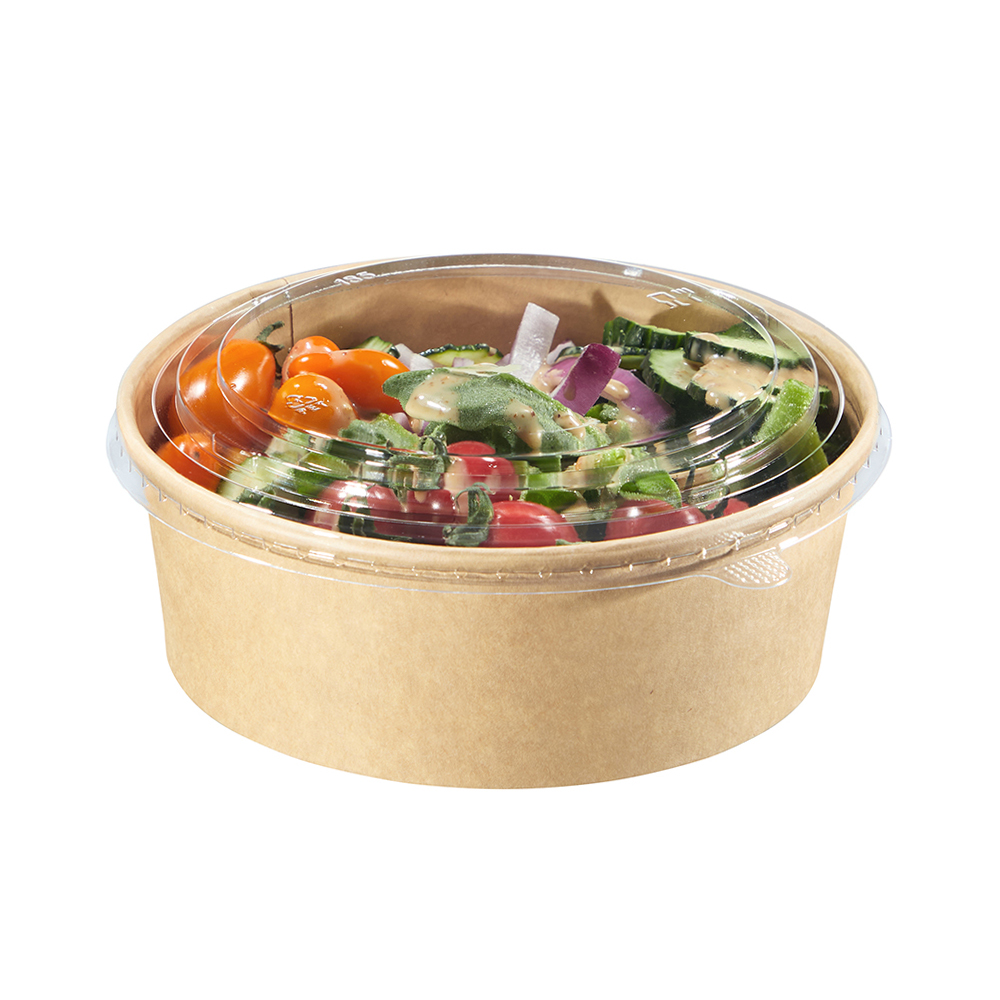
A specific component within the global food and beverage packaging sector is receiving focused attention: the cup lid with a 98mm diameter. This seemingly precise measurement has become a significant standard, particularly for a wide range of medium to large-format disposable and reusable drink cups used in coffee shops, quick-service restaurants, and convenience stores globally. The prevalence of the cup lid with a 98mm diameter highlights the industry's move towards container standardization, which aims to streamline operations, reduce inventory complexity, and improve compatibility across supply chains.
The primary function of any cup lid with a 98mm diameter is to provide secure closure, prevent spills, and maintain beverage temperature. However, design innovation around this standard size is ongoing. Manufacturers are developing variations of the cup lid with a 98mm diameter that feature different drinking mechanisms, such as raised sip-openings for hot drinks, straw slits for iced beverages, or full-dome designs for blended drinks requiring extra space. Each iteration of the cup lid with a 98mm diameter must achieve a balance between secure fit, user convenience, and performance for its specific beverage type, whether it involves containing heat, preventing ice blockages, or allowing for smooth liquid flow.
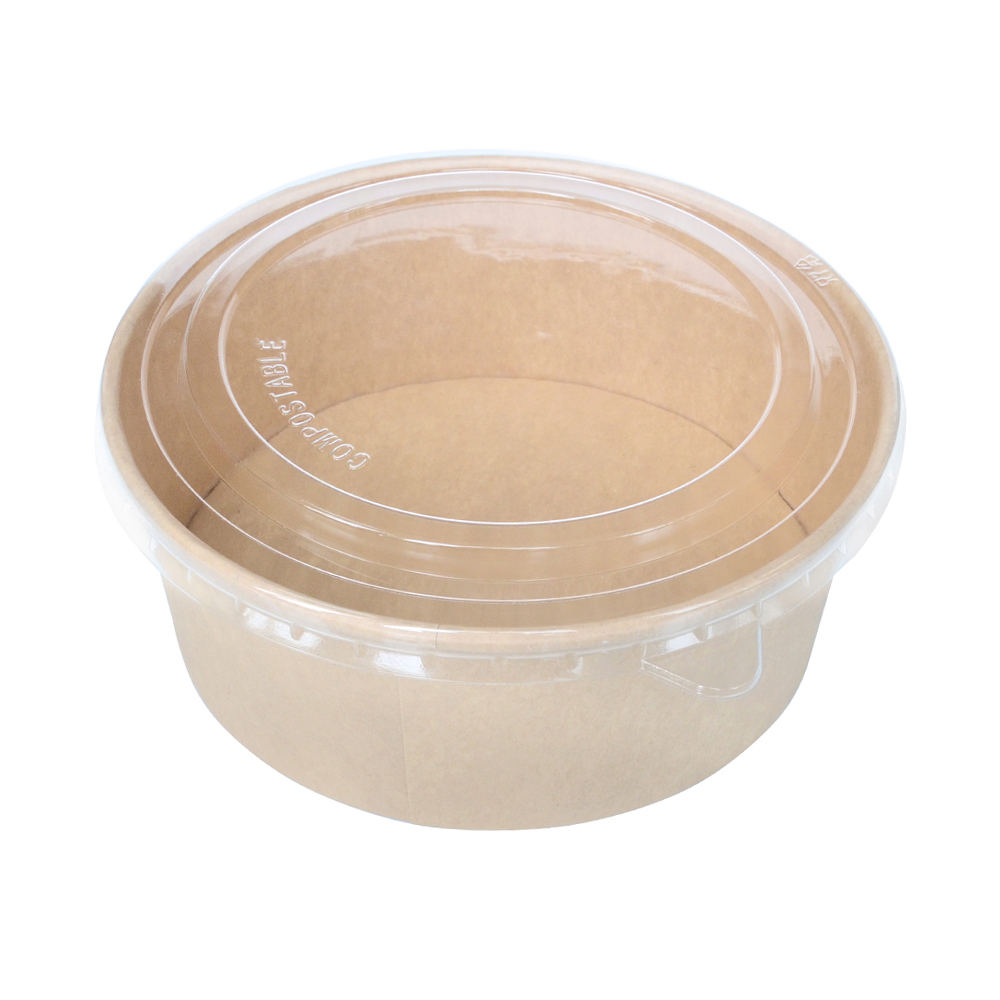
Material science plays a crucial role in the production of a reliable cup lid with a 98mm diameter. Traditionally made from petroleum-based plastics, there is a growing shift towards alternative materials in response to environmental regulations and consumer sentiment. This includes developing a cup lid with a 98mm diameter from compostable biopolymers, recycled plastics, or other sustainable substrates. The technical challenge lies in ensuring these new materials can achieve the necessary structural integrity, heat resistance, and seal consistency expected from a standard cup lid with a 98mm diameter, without significantly increasing cost.
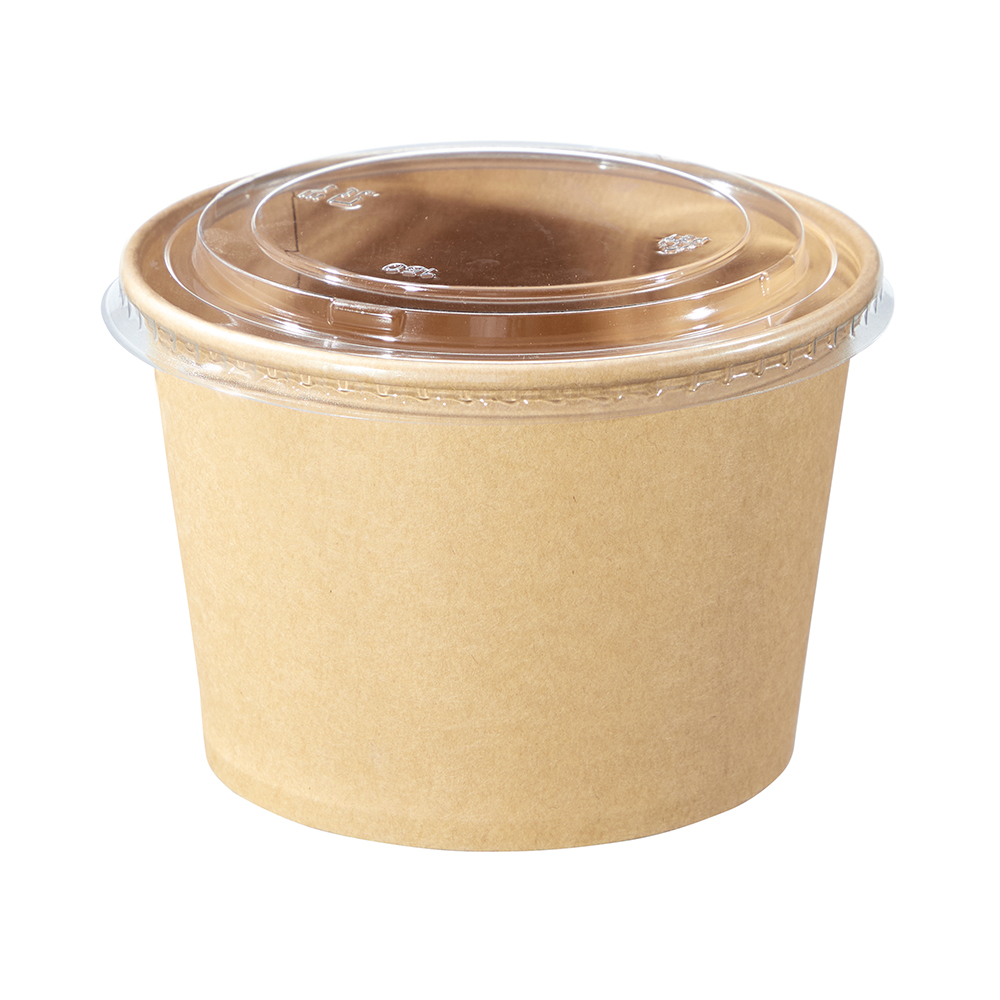
The drive for supply chain efficiency is a major factor cementing the importance of the cup lid with a 98mm diameter. For large-scale beverage providers, standardizing on a common size like the cup lid with a 98mm diameter simplifies procurement and logistics. It allows for bulk purchasing, reduces the risk of lid-and-cup mismatch, and speeds up service during peak hours. This operational reliability makes the cup lid with a 98mm diameter a critical, though often overlooked, component in ensuring consistent customer experience and small waste from incompatible packaging.
The future of the cup lid with a 98mm diameter is likely to involve continued refinement rather than radical change. Research is directed towards enhancing functionality, such as improving the re-sealability of a cup lid with a 98mm diameter for on-the-go consumers or integrating smarter tamper-evident features. The environmental aspect will remain a strong influence, pushing for wider adoption of recyclable or compostable versions of the cup lid with a 98mm diameter that meet performance criteria. Furthermore, as automation in beverage service expands, the precise dimensional tolerances and consistent performance of every cup lid with a 98mm diameter will become even more vital for seamless machine application.
The cup lid with a 98mm diameter represents a point where practicality, standardization, and innovation converge in the packaging industry. Its widespread adoption underscores a need for interoperability and efficiency at a massive scale. While the end-user may simply see a lid, for the industry, the cup lid with a 98mm diameter is a key engineered component whose evolution directly reflects broader trends in consumer demand, operational needs, and environmental responsibility within the global foodservice sector.