en
en English
 中文简体
中文简体 Español
 Deutsch
Across industries ranging from food service and retail to electronics manufacturing and home organization, a specific type of packaging stands out for its practicality and user-friendly design: the hinged plastic container. Characterized by a lid that is permanently attached to the base via one or more molded hinges, this container style offers a reliable, reusable, and often sealable solution for storing, displaying, and transporting a vast array of items. The integrated hinge eliminates the risk of a lost lid, streamlines opening and closing, and creates a unified product that balances functionality with durability.
The core innovation of the hinged plastic container is its one-piece construction. Unlike a separate lid and base, the components are connected from the moment of manufacture, typically through a living hinge—a thin, flexible section of plastic molded as part of both pieces. This design ensures the lid and base are always matched, saving time and reducing frustration. The hinge itself is engineered for repeated flexing without failure. For secure closure, many hinged plastic containers incorporate snap-fit latches, clasps, or a simple friction seal along the rim opposite the hinge, providing varying degrees of airtightness or spill resistance depending on the application.
The application spectrum for the hinged plastic container is exceptionally broad, reflecting its adaptability. In the food industry, clear hinged plastic containers are ubiquitous for packaging fresh produce, bakery items, deli salads, and takeaway meals, allowing for product visibility and secure closure. They are also standard for storing leftovers at home. Beyond food, these containers organize hardware, craft supplies, fishing tackle, and electronic components in workshops and homes. In retail, hinged plastic containers with custom inserts are used to package and protect small consumer goods like tools, toys, or cosmetics, serving as both protection and point-of-sale display.
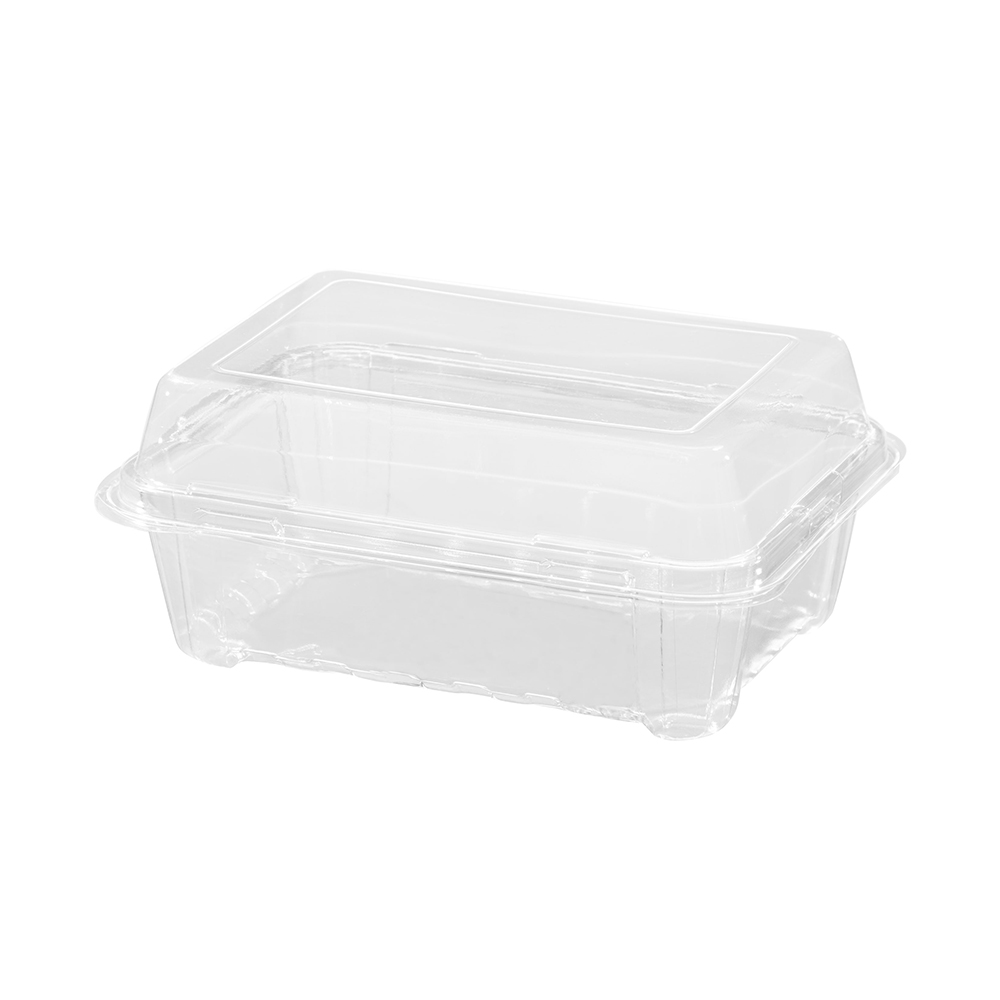
Material selection and manufacturing processes are tailored to the container's intended use. are produced via injection molding from polypropylene, polystyrene, or PET. Polypropylene is favored for its outstanding hinge durability and chemical resistance. The choice between transparent, opaque, or colored plastic depends on whether product visibility, light protection, or branding is the priority. Design considerations include wall thickness for rigidity, stacking features for efficient storage, and ergonomic features like textured grips or easy-open tabs. The entire design of a hinged plastic container is focused on creating a robust, long-lasting product suitable for repeated use.
The operational benefits of using a hinged plastic container system are significant for both businesses and consumers. For logistics and storage, their stackability saves space. The secure closure protects contents from dust, moisture, and spillage. As reusable items, they support sustainability efforts by reducing single-use packaging waste, especially when designed for easy cleaning and durability. The convenience of the integrated hinge encourages proper closure and reuse, unlike containers with separate lids that are easily misplaced.
Looking ahead, innovation in the hinged plastic container sector is driven by sustainability goals, material science, and smart packaging trends. Developments include the increased use of recycled plastics or bio-based polymers, designs that less material usage without sacrificing strength, and enhanced sealing technologies for longer food freshness. As the demand for convenient, reusable, and responsible packaging solutions continues to rise, the hinged plastic container is poised to evolve, solidifying its role as a fundamental and intelligently designed workhorse for organization and transport across countless aspects of daily life and commerce.