en
en English
 中文简体
中文简体 Español
 Deutsch
In households, food service businesses, and across the supply chain, the challenge of preserving food freshness is met with a specialized tool: the fresh-keeping container. These are not generic storage boxes but are specifically engineered to create a controlled microenvironment that slows down the processes pilot to food spoilage. By managing factors like moisture, gas exchange, and microbial growth, a well-designed fresh-keeping container can significantly extend the edible life of fruits, vegetables, leftovers, and prepared meals, contributing to both economic savings and a reduction in food waste.
The core function of a fresh-keeping container revolves around creating an ideal atmosphere for different types of food. This is achieved through a combination of design features. An airtight seal is fundamental, preventing the loss of moisture that leads to wilting and the ingress of external odors. Many containers incorporate a one-way valve or a specialized membrane in the lid. This valve allows excess ethylene gas—a natural ripening agent produced by fruits and vegetables—to escape while maintaining higher humidity inside, effectively slowing over-ripening and decay. For certain produce, a fresh-keeping container might include a removable tray or elevated rack to separate food from any accumulated liquid, preventing soggy conditions that promote bacterial growth.
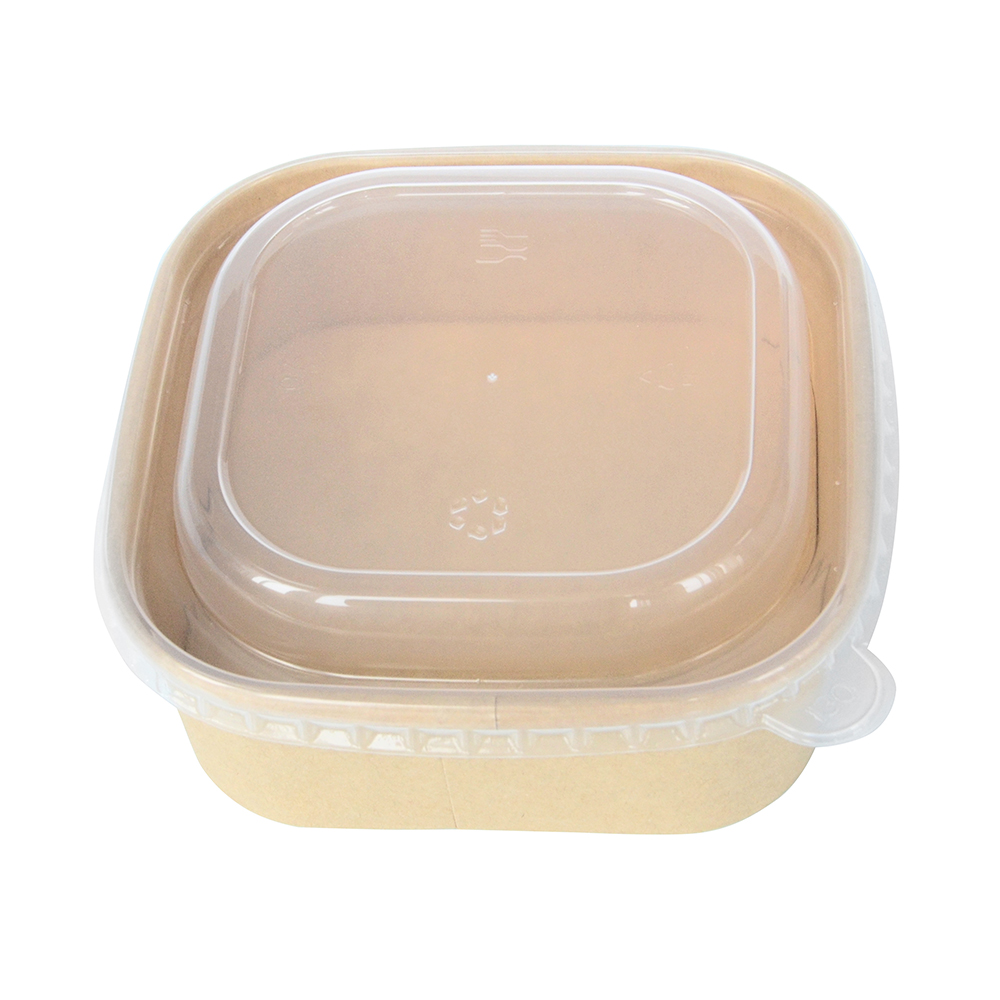
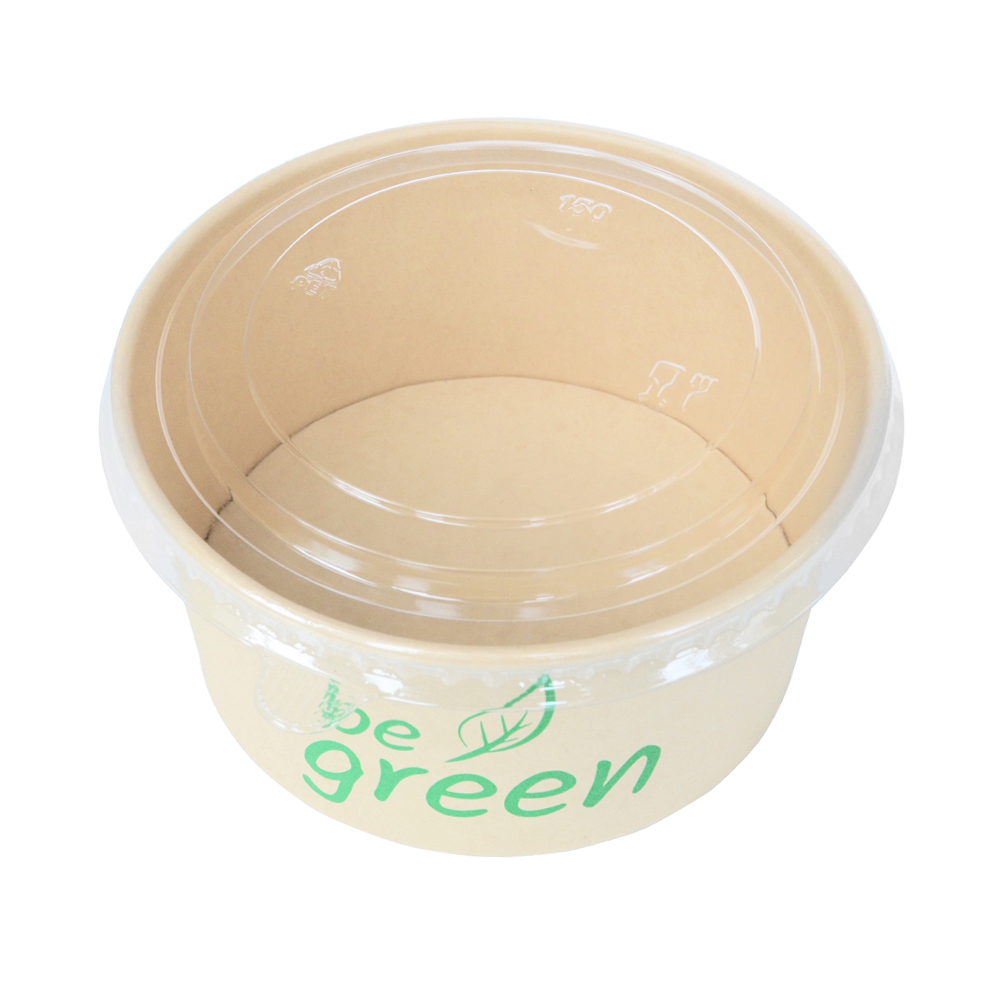
Material science plays a crucial role in the effectiveness of a fresh-keeping container. High-quality containers are typically made from materials like polypropylene or Tritan, which are durable, BPA-free, and do not impart odors or tastes to the food. The clarity of the material allows for easy identification of contents without opening the seal, which helps maintain the internal environment. The design of the sealing mechanism, whether it's a flexible silicone gasket integrated into a rigid lid or a precision-machined interlocking rim, is critical for maintaining a consistent seal through repeated use, washing, and possible temperature changes in refrigerators or freezers.

The application of fresh-keeping containers is vast and impactful. In domestic kitchens, they are essential for storing cut vegetables, leafy greens, berries, and cooked grains, often doubling or tripling their shelf life compared to storage in open bowls or plastic bags. For meal preparation and packed lunches, these containers keep components separate and crisp. Commercially, they are used by grocery stores for pre-cut produce and by restaurants for ingredient storage, helping businesses manage inventory more efficiently and reduce spoilage losses. Their role in reducing household and commercial food waste aligns with broader environmental and sustainability goals.
The evolution of fresh-keeping containers will continue to focus on big food preservation, user convenience, and material sustainability. Trends include the development of containers from fully recyclable or compostable materials, more advanced and affordable smart monitoring systems, and designs that are optimized for specific food groups, such as herbs, mushrooms, or cheeses. As global awareness of food security and waste reduction grows, the humble fresh-keeping container is evolving from a passive storage vessel into an active tool for resource management. By intelligently extending the life of perishable goods, these containers offer a practical, everyday solution for consumers and businesses aiming to eat better, save money, and lessen their environmental impact.