en
en English
 中文简体
中文简体 Español
 Deutsch
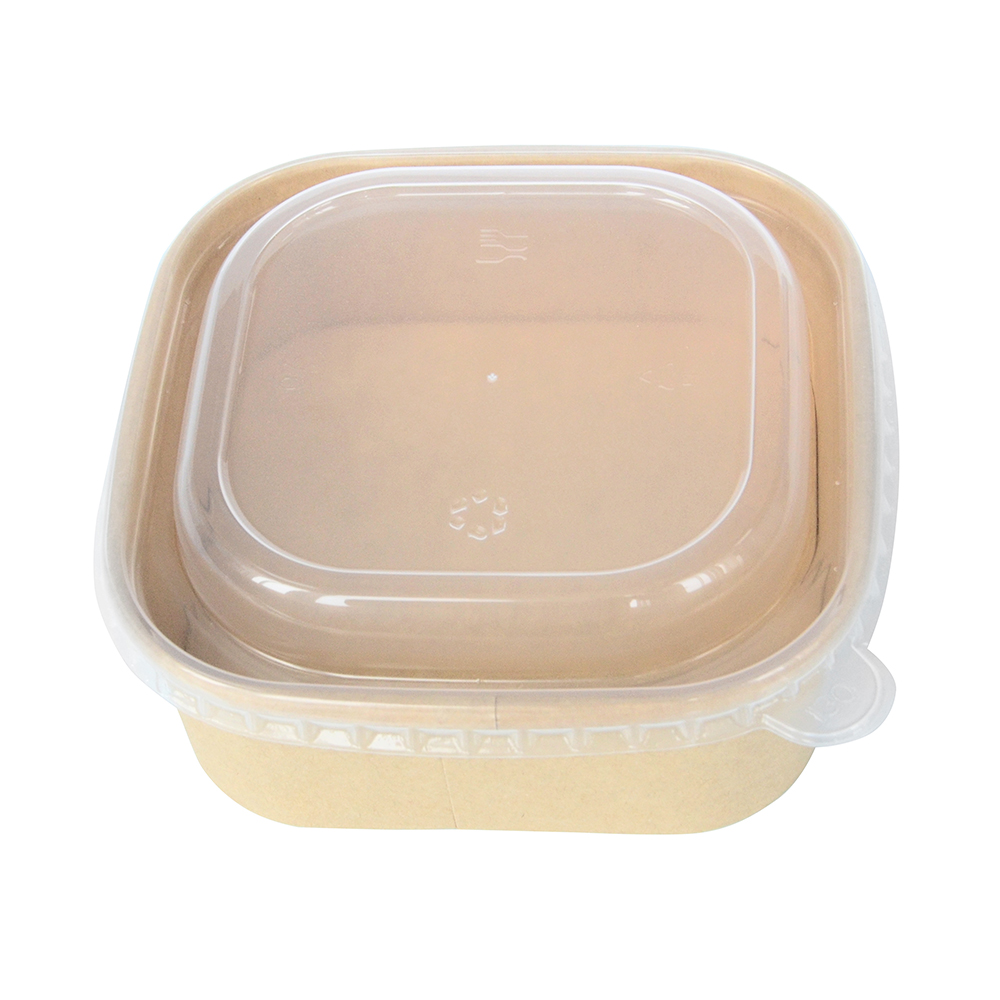
The global popularity of sushi, both in restaurants and for takeaway, has driven the need for specialized packaging that maintains its delicate presentation and freshness: the sushi container. This is not a generic food box but a carefully designed package tailored to the unique requirements of sushi and sashimi. A well-made sushi container must protect the meal's structural integrity, prevent ingredient mixing, manage moisture, and often provide an attractive visual presentation that reflects the quality of the food inside. From disposable options for delivery to reusable bento-style boxes, the design of the sushi container plays a crucial role in the consumer's experience.
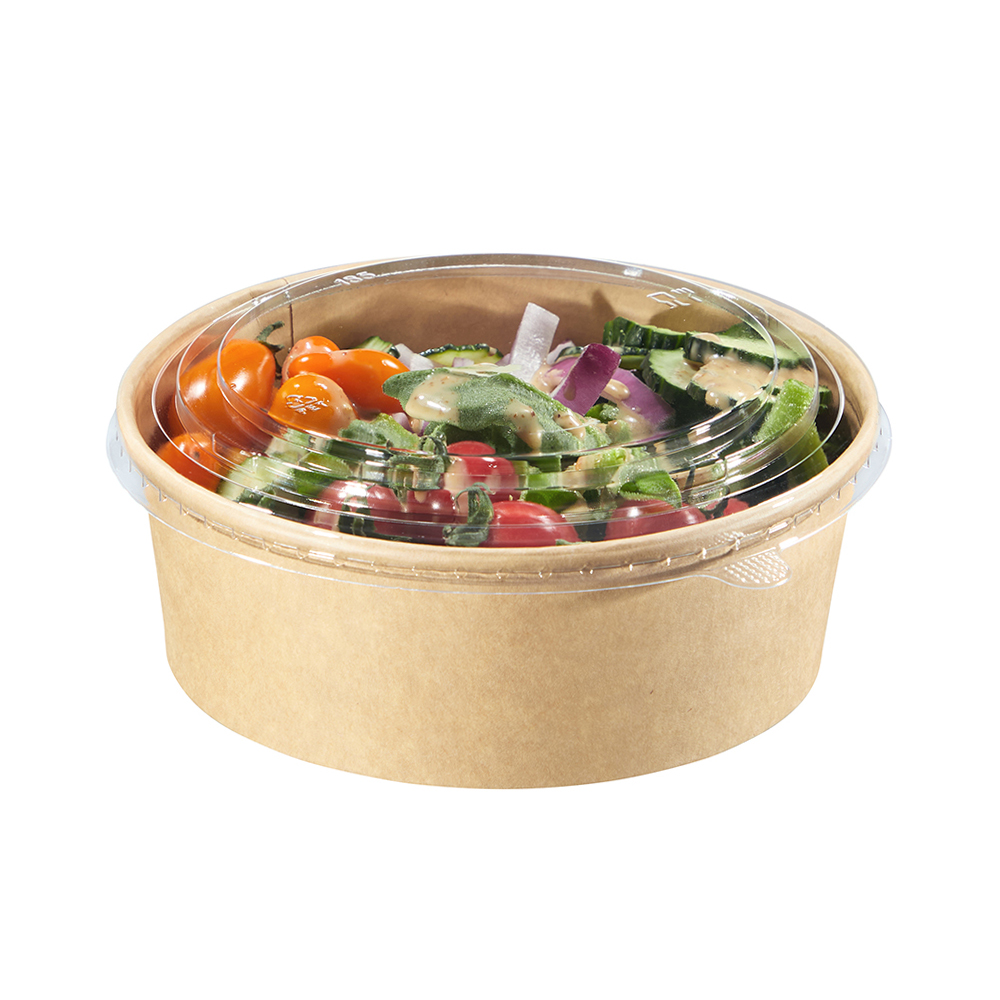
The primary function of a sushi container is secure and organized transportation. Sushi's composition—delicate rice, fresh fish, crisp vegetables, and often loose garnishes like ginger and wasabi—demands compartmentalization. A standard sushi container typically features a series of internal dividers or separate lidded sections to keep nigiri, rolls, and condiments from touching and becoming soggy or transferring flavors. The lid must seal firmly to prevent spills and to retain a slight humidity that keeps the rice from drying out too quickly, without creating so much condensation that it makes the seaweed wrapper soggy. For presentation, many containers are designed with a clear lid or viewing window, allowing the colorful and artful arrangement of the sushi to be visible without opening the package.
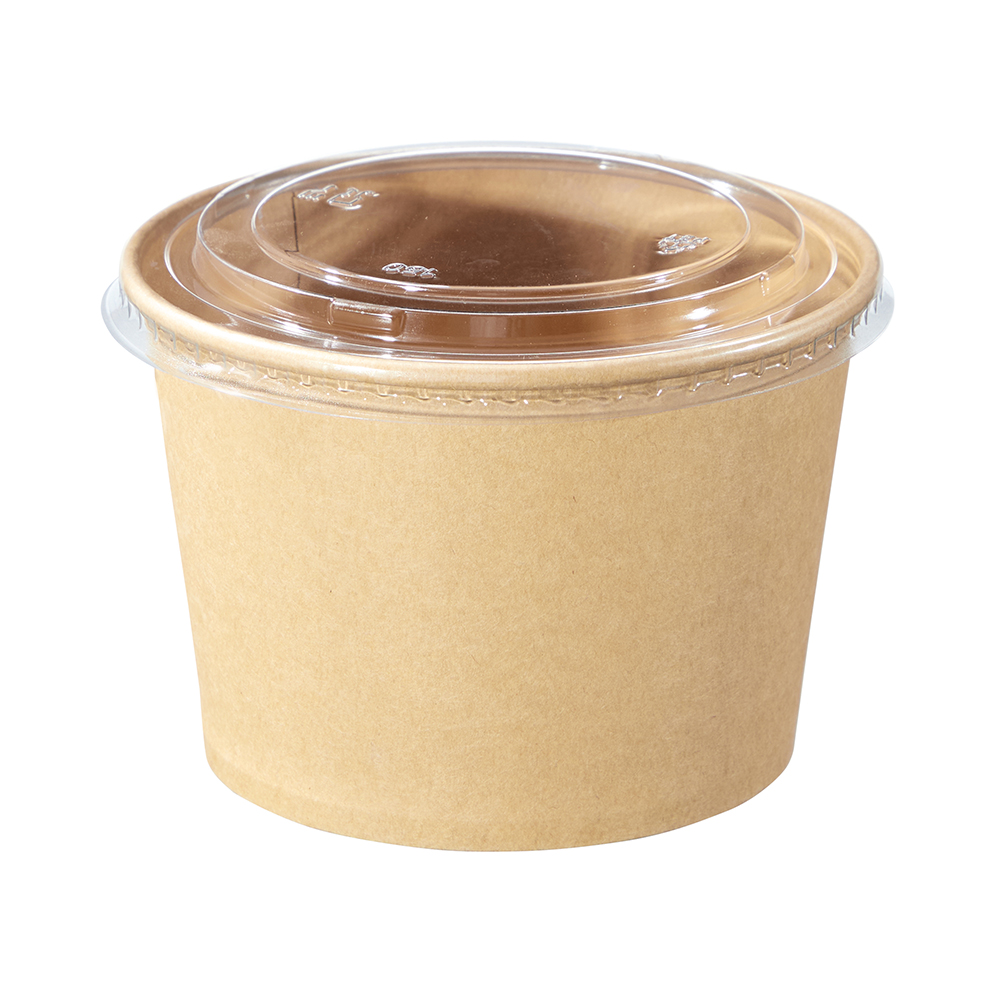
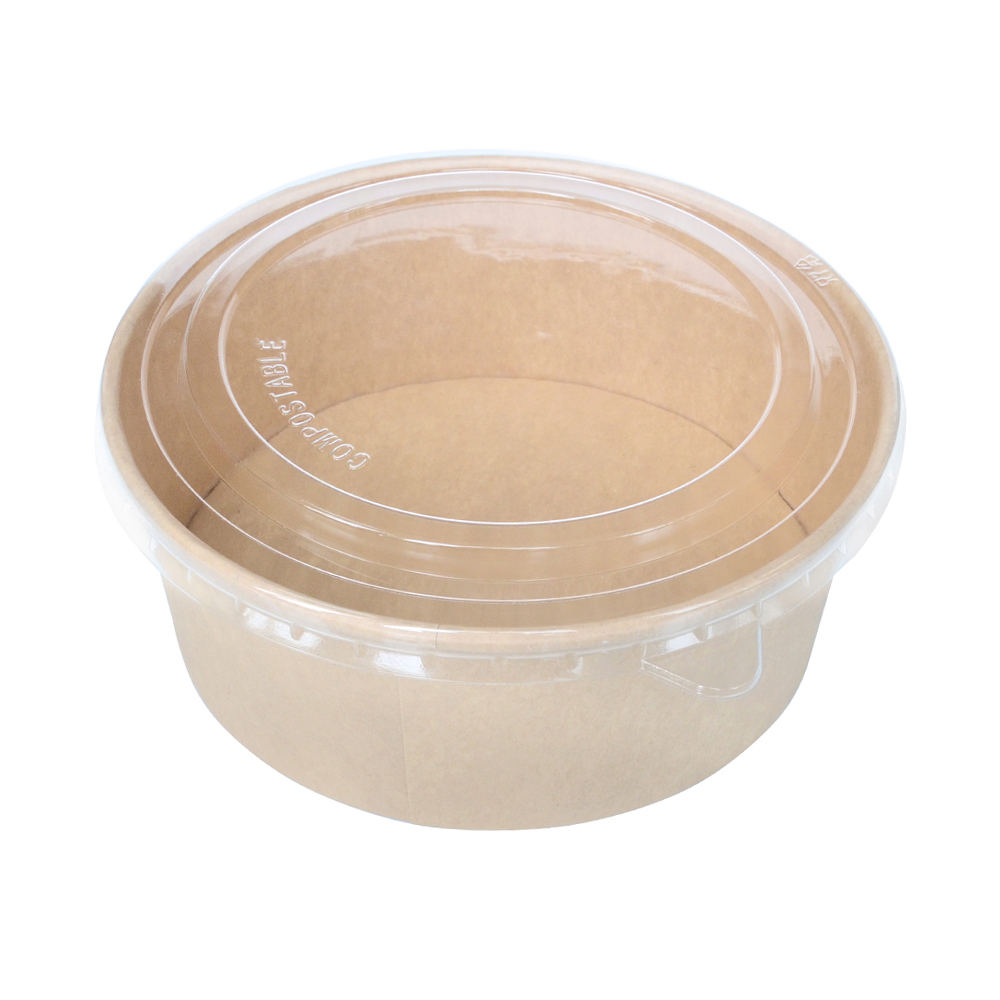
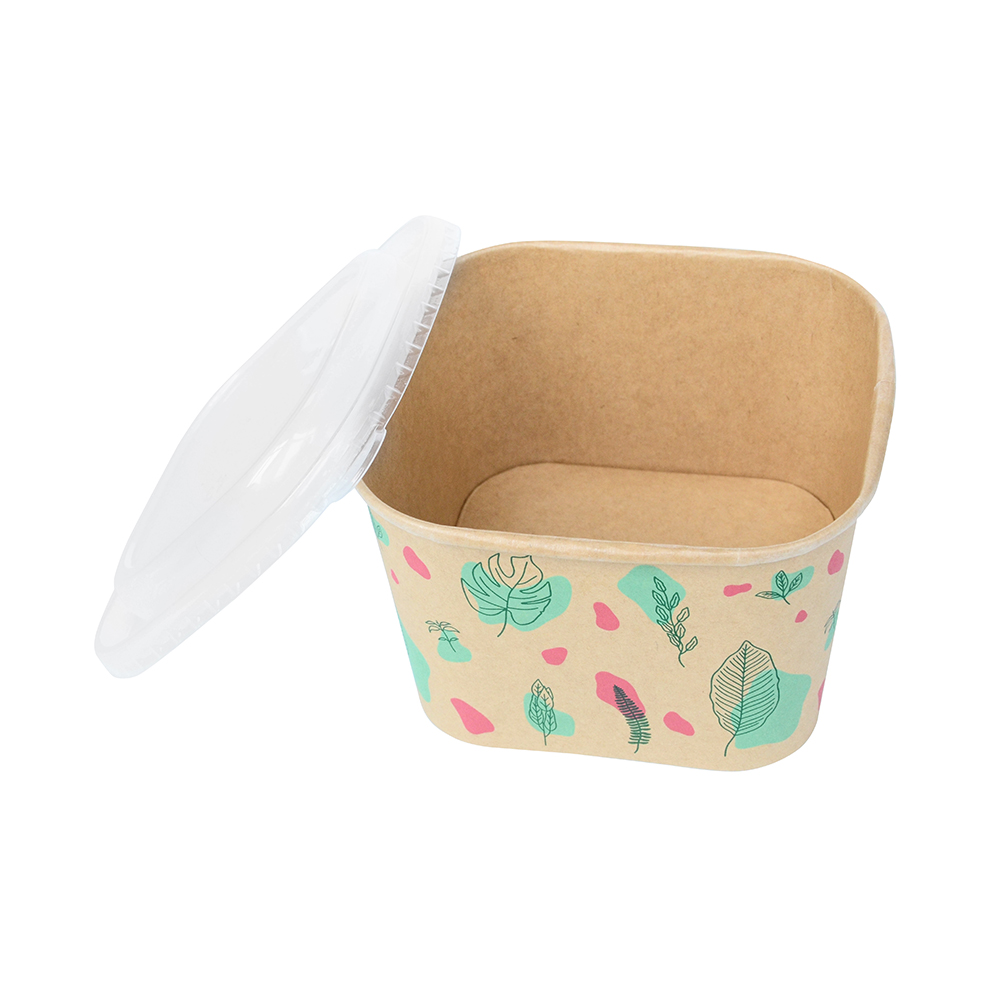
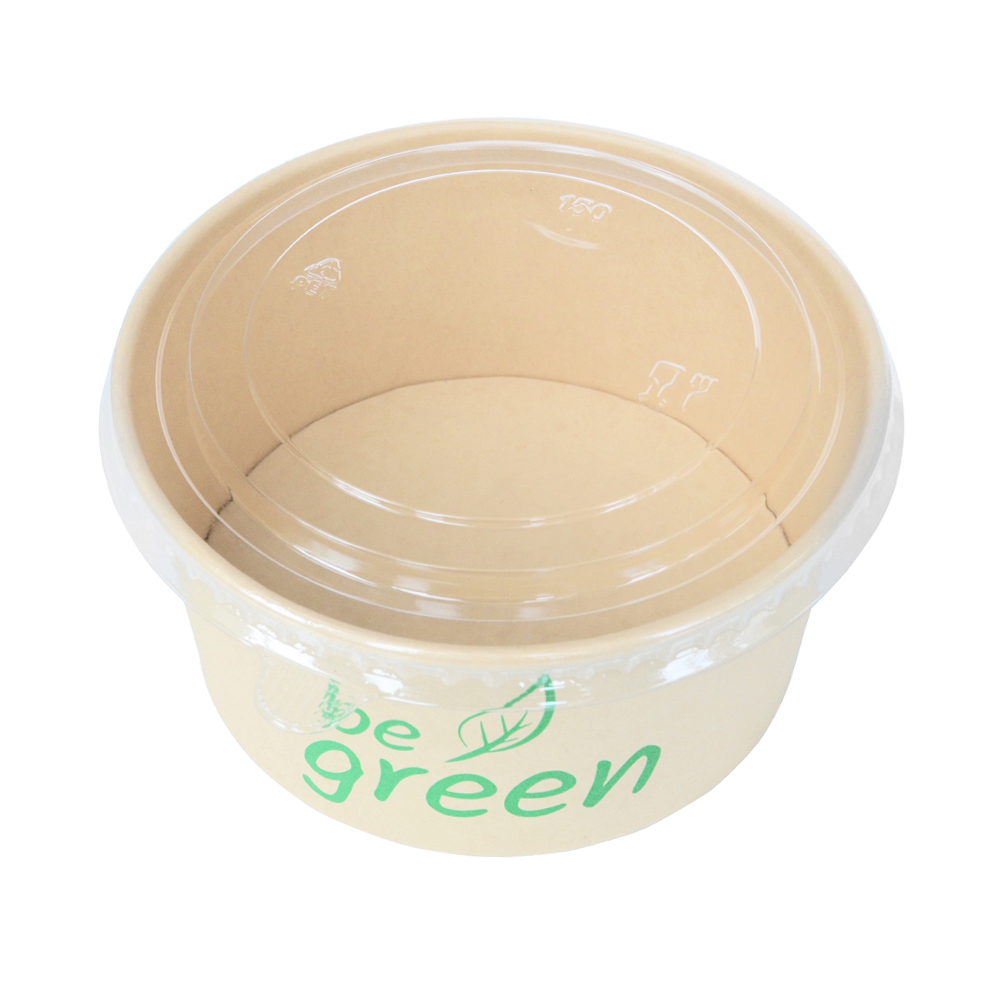
Material choices for sushi container manufacturing are made with both functionality and food safety in mind. Disposable containers are commonly made from clear or black plastic, such as PET or APET, which provide good clarity and rigidity. Biodegradable options made from molded plant fibers are also increasingly available. For reusable sushi container products, often marketed as "sushi bento boxes," materials include durable plastics like polypropylene, lacquered wood, or stainless steel, sometimes with separate dipping sauce containers. Regardless of material, the interior must be smooth and non-porous for easy cleaning and to prevent odor retention.
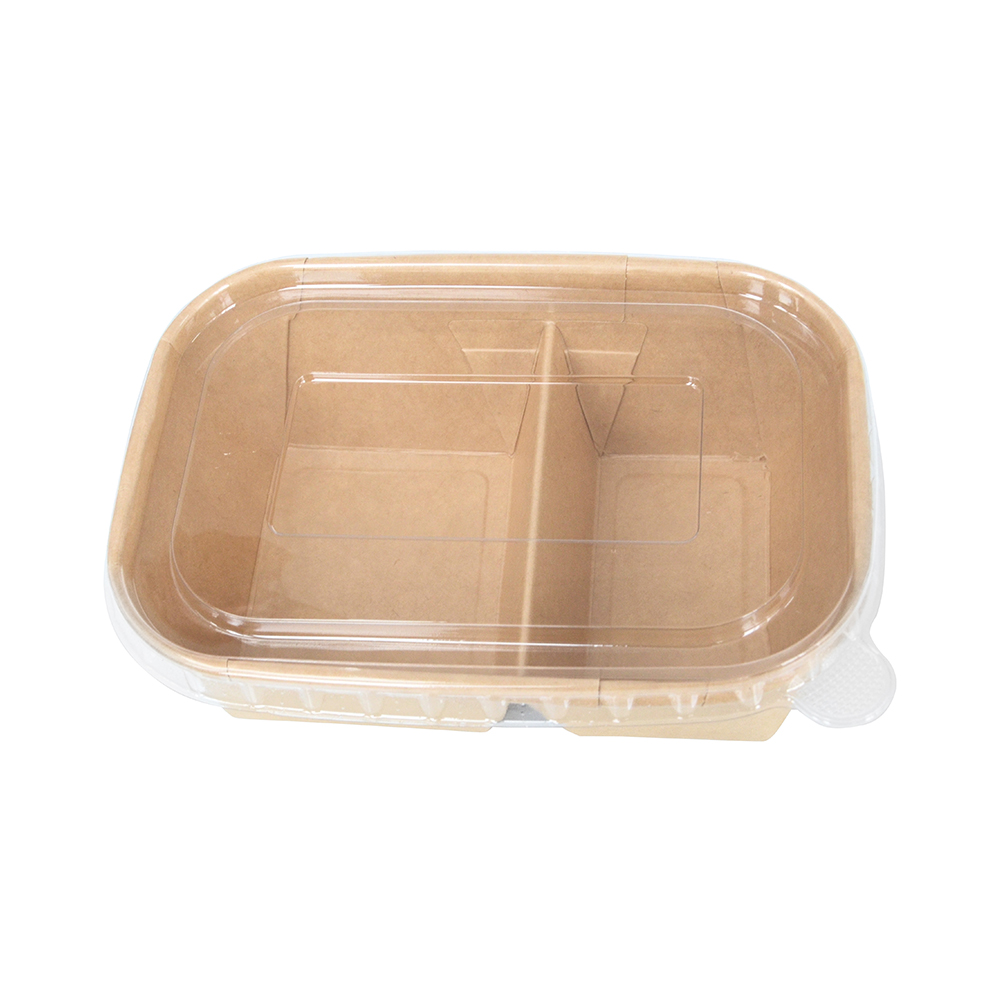
Design innovation in the sushi container space focuses on improving user experience and addressing environmental concerns. Recent trends include containers with improved venting to better manage steam, ergonomic shapes that are easier to hold and open, and designs that less material use without sacrificing protection. A significant area of development is sustainability, with a push towards fully compostable, plant-based materials for disposable containers and the promotion of durable, reusable sushi container systems to reduce single-use plastic waste. Some designs even incorporate origami-like folding techniques to create a container from a single sheet of material.
The evolution of the sushi container will likely continue to balance tradition with modern demands. Future containers may feature smarter materials that actively regulate humidity or incorporate natural, antimicrobial properties. The integration of QR codes linking to information about the fish's origin or recycling instructions is another potential development. As sushi maintains its status as a globally beloved cuisine, and as consumer expectations for convenience, aesthetics, and environmental responsibility rise, the sushi container will remain an essential, thoughtfully engineered component of the dining experience, ensuring that this culinary art arrives at the table as intended by its creator.